Brazil's inflation forecast for 2026 to rise due to El Niño impact
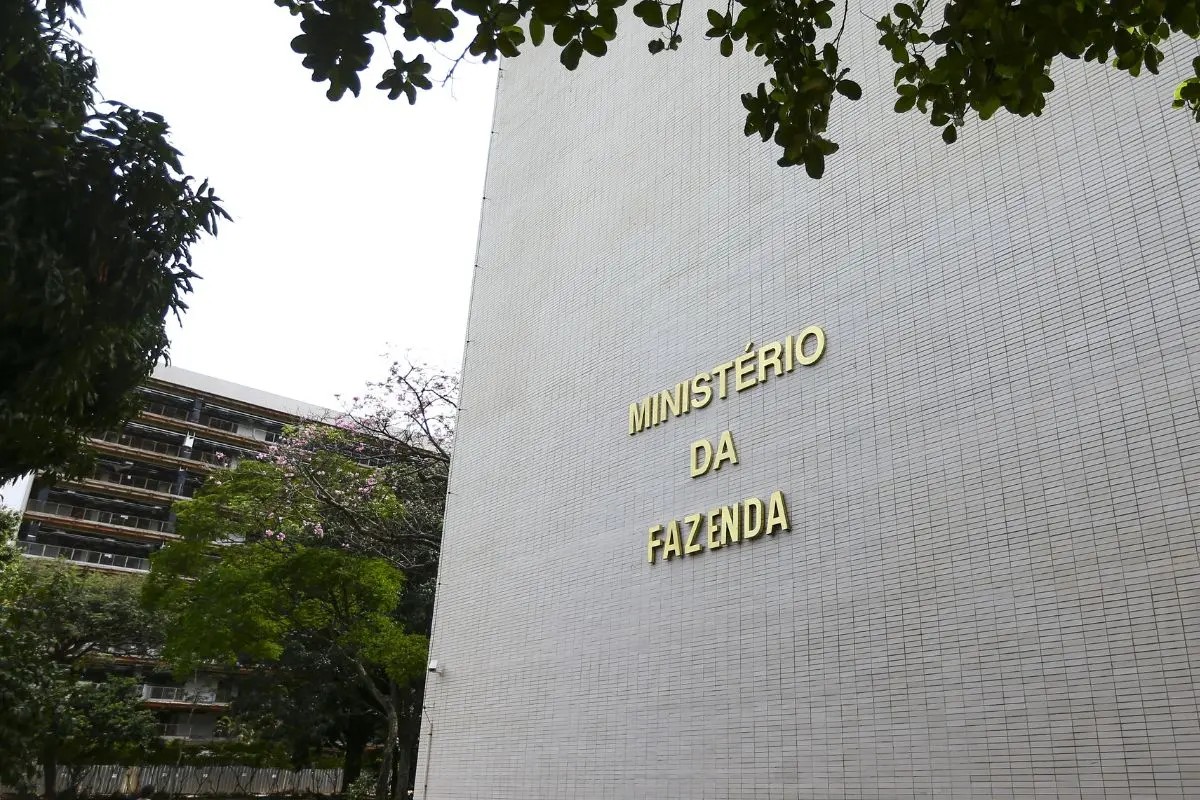
Brazil's Ministry of Finance is expected to increase its official inflation forecast for 2026, with prices anticipated to rise more than the previously estimated 4.5%. This upward revision is primarily attributed to the intensifying effects of the El Niño climate phenomenon. Débora Freire, Secretary of Economic Policy at the Ministry, confirmed this in an interview, stating that the government now has greater certainty about the severity of El Niño. Consequently, the expected slowdown in inflation for the second half of this year may be less pronounced than initially projected. Freire indicated that the new inflation projection will likely exceed the Central Bank's target ceiling of 4.5% but will remain below market expectations. The Central Bank's latest Focus report projects inflation at 5.33% for 2026. Despite these inflationary pressures, the Ministry of Finance currently maintains its economic growth forecast for Brazil this year at 2.3% of GDP, though these figures are subject to revision. Freire also noted that high global interest rates pose challenges to Brazil's economic growth in 2027, and a higher-than-anticipated Selic rate could temper economic activity. Regarding public finances, she affirmed that the fiscal framework is gradually improving public finances, with an expectation of public debt convergence in the medium term. However, challenges remain, including controlling mandatory spending growth, such as pensions and benefits, and increasing formal employment to boost social security contributions.
The Brazilian government's upward revision of its 2026 inflation forecast, driven by the anticipated impact of El Niño, highlights the vulnerability of developing economies to climate-related shocks. This situation underscores the complex interplay between environmental factors, agricultural output, and macroeconomic stability. While the government aims to manage inflation within fiscal constraints, the persistent influence of external factors like climate events and global interest rates presents ongoing challenges to achieving sustained economic growth and fiscal consolidation. Future policy responses will likely need to balance immediate inflationary pressures with long-term structural reforms, potentially requiring adaptive strategies that account for increasing climate volatility and its systemic economic consequences.
AI-generated to prompt reflection — not editorial opinion, not advice, not a statement of fact. How this works.