Brazil's Inmet Issues Heavy Rain Alert for 108 Cities in Paraíba, Including the Capital
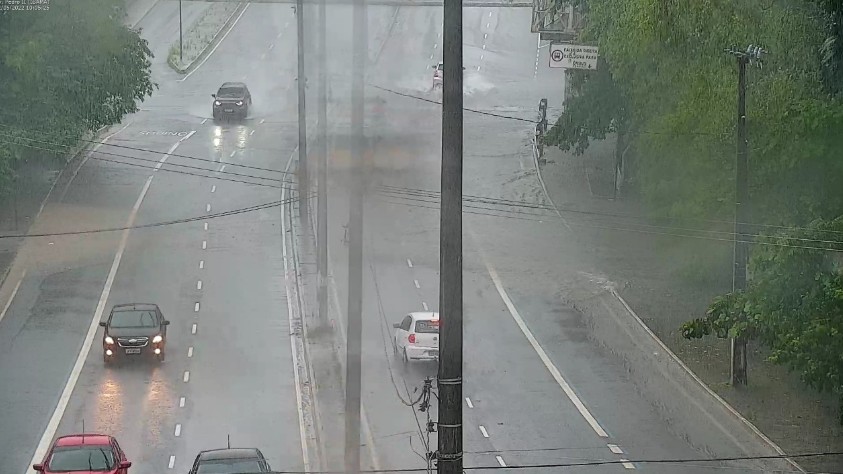
The National Institute of Meteorology (Inmet) in Brazil has renewed a yellow alert for intense rainfall affecting 108 municipalities in the state of Paraíba, including the capital city of João Pessoa. This alert is in effect from midnight until 11:59 PM on Friday, February 24th. Residents in the affected areas can expect rainfall rates between 20 to 30 mm per hour, potentially reaching up to 50 mm in a single day. Accompanying the rain will be strong winds, with speeds ranging from 40 to 60 km/h. Inmet has indicated a low risk of power outages, falling tree branches, localized flooding, and electrical discharges associated with this weather event. The institute advises citizens to avoid seeking shelter under trees during high winds or heavy rain due to the risk of falling branches and electrical shocks. They also recommend that vehicles not be parked near transmission towers or advertising signs. Furthermore, Inmet suggests refraining from using electronic devices plugged into outlets while under the yellow alert. The list of affected municipalities includes Alagoa Grande, Alagoa Nova, Alagoinha, Alcantil, and many others, spanning across the state.
The issuance of a yellow alert by Inmet highlights the dynamic meteorological conditions in Paraíba, Brazil. While the alert signifies potential disruptions, its 'yellow' classification suggests a manageable level of risk, emphasizing preparedness rather than immediate crisis. The detailed recommendations provided by Inmet aim to mitigate common hazards associated with intense rainfall and wind, such as infrastructure damage and personal safety risks. This proactive communication strategy allows communities to adjust their activities and infrastructure management, fostering resilience against predictable weather events. Looking ahead, understanding the frequency and intensity of such alerts can inform long-term urban planning and infrastructure development in vulnerable regions, potentially reducing economic and social impacts from extreme weather.
AI-generated to prompt reflection — not editorial opinion, not advice, not a statement of fact. How this works.