Brazil's Inmet Issues Heavy Rain Alert for 109 Municipalities in Rio Grande do Norte
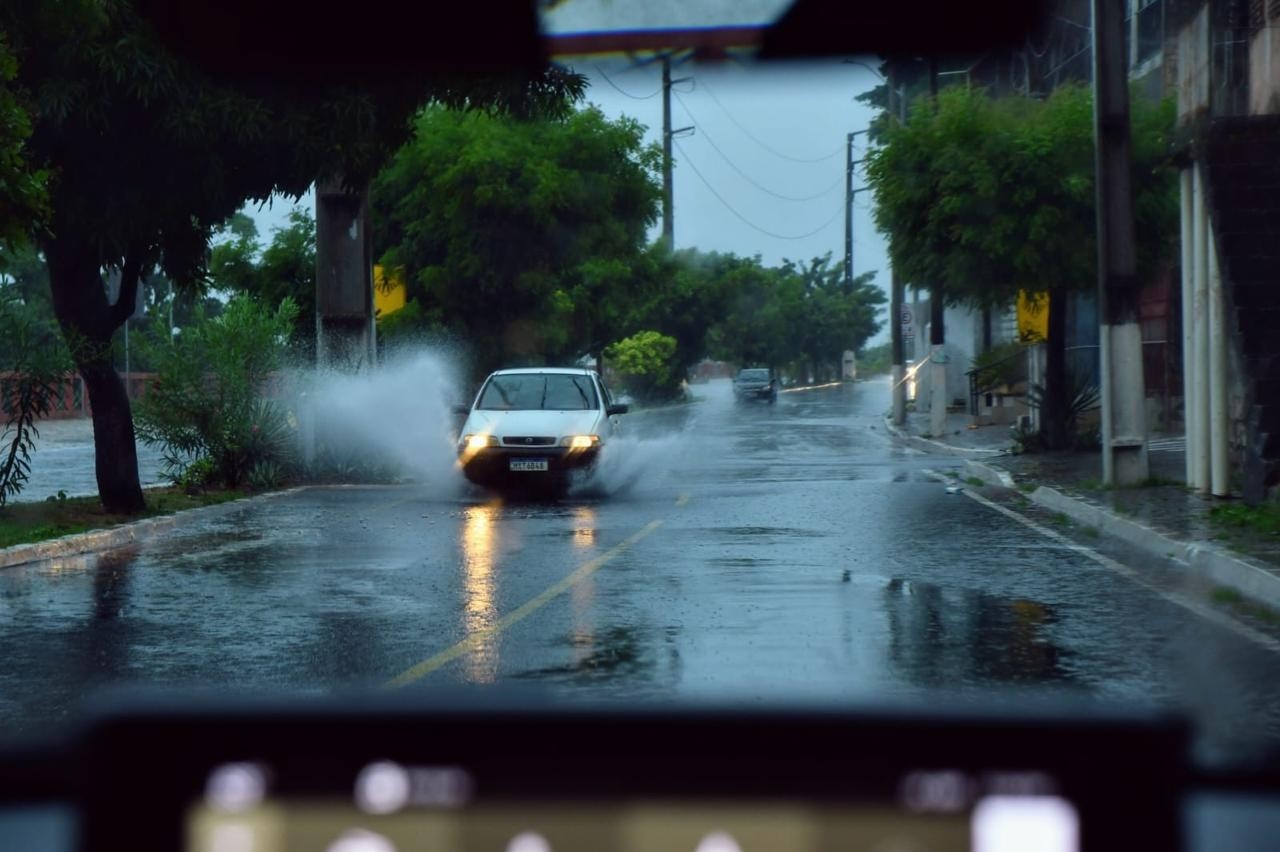
The National Institute of Meteorology (Inmet) in Brazil has issued a yellow-level alert for intense rainfall affecting 109 municipalities in the state of Rio Grande do Norte, including the capital city of Natal. This alert is in effect from midnight to 11:59 PM on Tuesday, March 21st. The yellow alert signifies a potential hazard, representing the lowest severity level from the agency. The forecast indicates rainfall rates between 20 to 30 mm per hour, potentially reaching up to 50 mm daily, accompanied by strong winds gusting between 40 and 60 km/h. Inmet has advised that there is a low risk of power outages, falling tree branches, localized flooding, and electrical discharges in the affected areas. Authorities, including the Civil Defense and Inmet, are recommending safety precautions for the public. These include avoiding shelter under trees during strong winds due to the risk of falling branches and electrical discharges, not parking vehicles near transmission towers or billboards, and refraining from using electronic devices plugged directly into outlets. The public is advised to contact the Civil Defense (199) or Fire Department (193) for further information and assistance. The alert encompasses a wide range of municipalities across the state, listed alphabetically, highlighting the broad geographical impact of the weather event.
This meteorological alert from Inmet highlights the inherent vulnerabilities of urban and rural infrastructure in Rio Grande do Norte to predictable weather patterns. While classified as a low-severity warning, the potential for localized flooding and wind damage underscores the need for proactive public preparedness and resilient infrastructure planning. As climate systems evolve, such events may become more frequent, necessitating a long-term strategy that integrates meteorological forecasting with urban development and emergency response capabilities. The recommendations provided by Inmet and Civil Defense are crucial for immediate safety, but a broader systemic approach is required to mitigate recurring risks and enhance community resilience against environmental challenges.
AI-generated to prompt reflection — not editorial opinion, not advice, not a statement of fact. How this works.