Brazil's Inmet Issues Heavy Rain Alert for 94 Municipalities in Paraíba State
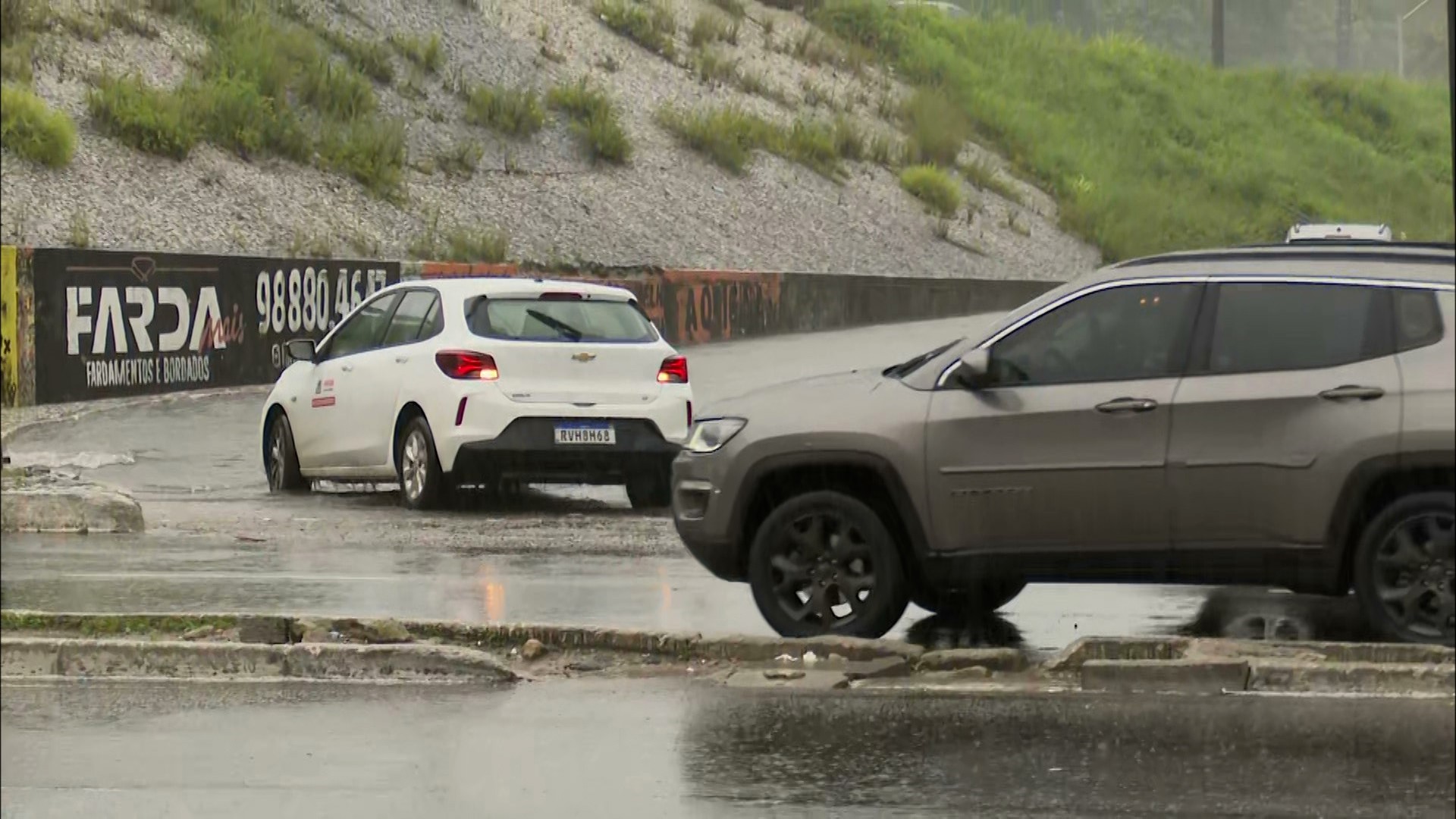
The National Institute of Meteorology (Inmet) in Brazil has issued a yellow alert for heavy rainfall affecting 94 cities in the state of Paraíba. This alert is scheduled to be in effect from midnight on Friday, November 17th, until 11:59 PM on Saturday, November 18th. The affected municipalities include prominent cities such as João Pessoa, Campina Grande, and Cabedelo, among many others listed. Residents in these areas can expect rainfall rates between 20 to 30 mm per hour, potentially reaching up to 50 mm in a single day, accompanied by intense winds ranging from 40 to 60 km/h. According to Inmet, the potential risks associated with this weather event include a low likelihood of power outages, falling tree branches, localized flooding, and electrical discharges. The institute advises citizens to avoid seeking shelter under trees during storms due to the risk of falling branches and lightning strikes. Additionally, it recommends that vehicles not be parked near transmission towers or advertising signs. For areas under the yellow alert, Inmet strongly advises against using electronic devices plugged into electrical outlets. In more severe alert situations (orange), the recommendation is to disconnect electrical appliances and the main power supply. In case of emergencies, residents are urged to contact the Civil Defense at 199 or the Fire Department at 193.
This alert from Inmet highlights the critical role of meteorological forecasting in public safety and infrastructure management, particularly in regions prone to extreme weather events. The yellow alert signifies a potential hazard, prompting proactive measures from both authorities and the public to mitigate risks such as power outages and localized flooding. As climate patterns evolve, the frequency and intensity of such events may necessitate continuous improvements in early warning systems and urban planning to enhance resilience. The recommendations provided by Inmet underscore the importance of individual preparedness and adherence to safety guidelines, fostering a community-wide approach to disaster risk reduction. Future considerations may include integrating advanced predictive modeling and communication strategies to further safeguard populations against meteorological threats.
AI-generated to prompt reflection — not editorial opinion, not advice, not a statement of fact. How this works.