Brazil's Inmet Issues Intense Rain Alerts for Paraíba State
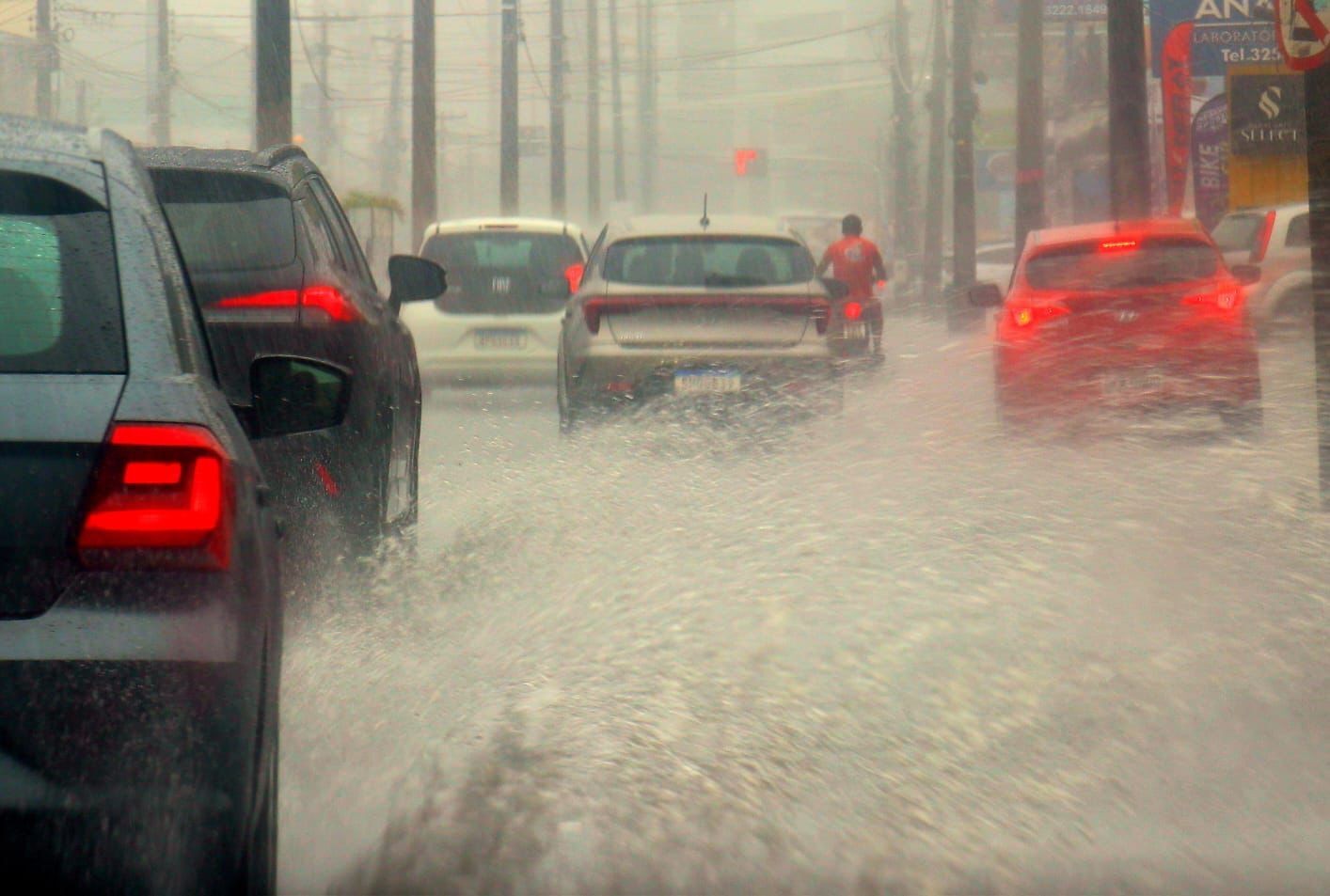
Brazil's National Institute of Meteorology (Inmet) has issued a significant weather alert for the state of Paraíba. On Thursday, May 23rd, an orange alert for potential heavy rainfall was activated for 11 municipalities, including the capital city of João Pessoa. This alert is effective from 9:00 AM until 11:59 PM on the same day.
Earlier, on Wednesday, May 22nd, Inmet had already placed 108 cities in Paraíba under a yellow alert for intense rains, which also remains valid until Thursday evening. The orange alert signifies a high degree of danger, predicting rainfall between 30 to 60 mm per hour or 50 to 100 mm per day, accompanied by intense winds from 60 to 100 km/h. Residents in these areas face risks of power outages, falling tree branches, flooding, and electrical discharges.
The yellow alert, indicating potential danger, anticipates rainfall between 20 to 30 mm per hour or up to 50 mm per day, with winds ranging from 40 to 60 km/h. For areas under this alert, the risk of power outages, falling branches, flooding, and electrical discharges is considered lower. Inmet advises people to avoid seeking shelter under trees during high winds or rain due to the risk of falling and electrical hazards. They also recommend not parking vehicles near transmission towers or advertising signs and suggest avoiding the use of plugged-in electronic devices in areas under the yellow alert.
The issuance of dual weather alerts by Inmet highlights the dynamic and potentially hazardous meteorological conditions affecting Paraíba. The distinction between orange and yellow alerts provides crucial information for public safety, enabling differentiated risk perception and preparedness measures. This tiered warning system aims to mitigate potential damages and ensure citizen safety by communicating the severity of expected weather events and associated risks, such as flooding and infrastructure damage. Understanding these alerts is vital for local authorities and residents to implement appropriate protective actions, thereby reducing vulnerability to extreme weather impacts in the coming days.
AI-generated to prompt reflection — not editorial opinion, not advice, not a statement of fact. How this works.