Brazil's Inmet Issues Low Humidity Alert for Over 50 Cities in Paraíba's Interior
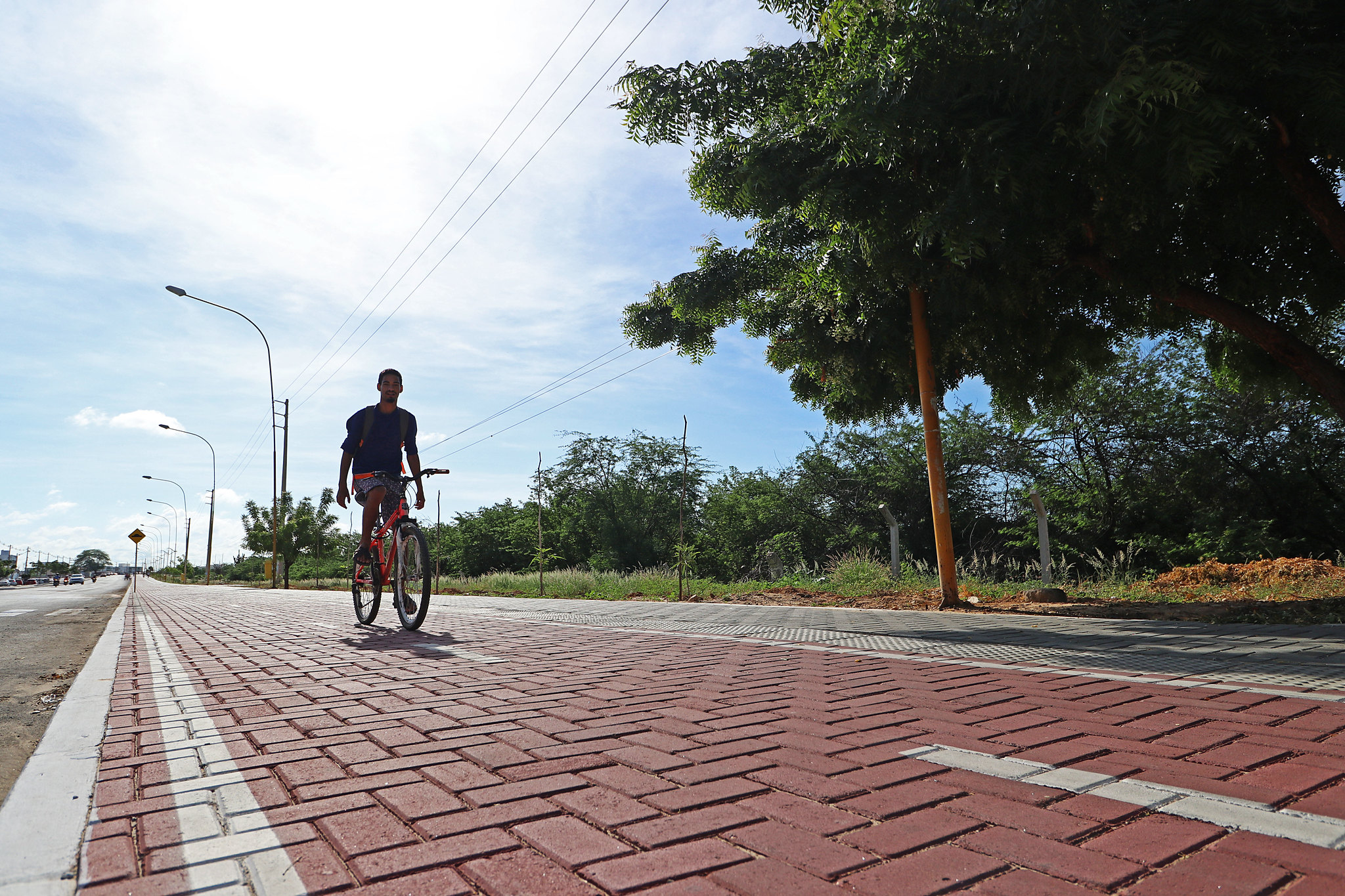
The National Institute of Meteorology (Inmet) in Brazil has issued a yellow alert for low humidity affecting 52 municipalities in the interior of Paraíba. The alert, which signifies potential danger, began on Monday, February 6th, at 12 PM and is set to last until 7 PM on the same day. During this period, the relative humidity in the affected cities is expected to range between 20% and 30%. Inmet has indicated that the risk of forest fires and health impacts is considered low under these conditions. The cities included in the alert are Aguiar, Aparecida, Bernardino Batista, Boa Ventura, Bom Jesus, Bom Sucesso, Bonito de Santa Fé, Brejo dos Santos, Cachoeira dos Índios, Cajazeiras, Cajazeirinhas, Carrapateira, Catolé do Rocha, Conceição, Coremas, Curral Velho, Diamante, Emas, Ibiara, Igaracy, Itaporanga, Jericó, Joca Claudino, Lagoa, Lastro, Manaíra, Marizópolis, Mato Grosso, Monte Horebe, Nazarezinho, Nova Olinda, Pedra Branca, Piancó, Poço Dantas, Poço de José de Moura, Pombal, Santa Cruz, Santa Helena, Santa Inês, Santana de Mangueira, Santana dos Garrotes, São Domingos, São Francisco, São João do Rio do Peixe, São José da Lagoa Tapada, São José de Caiana, São José de Piranhas, Serra Grande, Sousa, Triunfo, Uiraúna, and Vieirópolis. Inmet advises residents to stay hydrated, avoid strenuous physical activities during the hottest parts of the day, and seek protection from the sun. For emergencies, citizens can contact Civil Defense at 199 or the Fire Department at 193.
This meteorological alert highlights the vulnerability of semi-arid regions to extreme weather events, exacerbated by climate change. The low humidity and high temperatures forecast for Paraíba's interior underscore the need for proactive public health and environmental management strategies. While the immediate risk is assessed as low, prolonged periods of such conditions can strain public health resources and increase the likelihood of wildfires, impacting local ecosystems and economies. Future planning should consider integrating climate resilience measures into urban and rural development, focusing on water conservation, sustainable land use, and public awareness campaigns to mitigate the effects of increasingly frequent and intense weather phenomena.
AI-generated to prompt reflection — not editorial opinion, not advice, not a statement of fact. How this works.