Brazil's Inmet Warns of Potential Storms in Sorocaba with Winds Up to 60 km/h
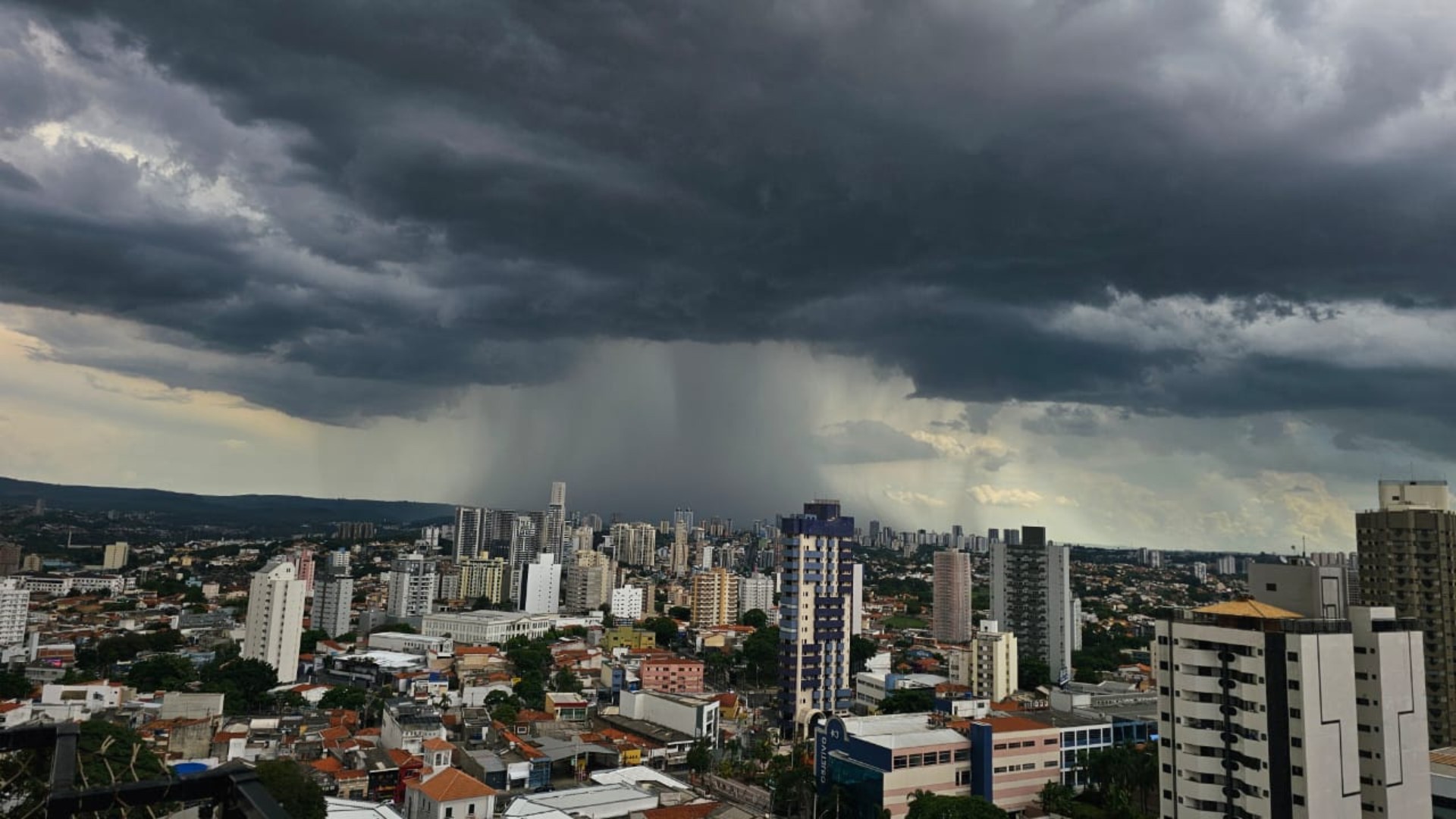
The National Institute of Meteorology (Inmet) in Brazil has issued a "potential danger" alert for storms in the Sorocaba region of São Paulo state, effective from Wednesday, June 22nd, to Thursday, June 23rd. The weather shift is attributed to the arrival of a cold front. Inmet forecasts the highest risk of severe weather on Thursday, anticipating thunderstorms with wind gusts reaching up to 60 km/h and isolated instances of hail. The expected rainfall volume could reach 50 millimeters. Despite these warnings, the likelihood of power outages, fallen trees, and flooding is considered low. The state's Civil Defense agency advises that rainfall will likely range from light to moderate across most cities until Friday, June 24th, though isolated thunderstorms with lightning are possible. Temperatures are expected to remain moderate, with highs around 21°C on Wednesday and 25°C on Thursday. Civil Defense recommends that residents monitor official alerts and take preventive measures, especially in areas prone to landslides and flooding. They urge vigilance for signs of danger, such as ground cracks or leaning structures, and advise immediate evacuation and contact with emergency services if any risks are detected.
This alert highlights the dynamic weather patterns impacting Brazil's São Paulo state, driven by meteorological phenomena like cold fronts. While Inmet's warning provides crucial advance notice, the classification of 'potential danger' with a low risk of severe consequences presents a communication challenge. Balancing the need to inform the public about potential hazards with the risk of inducing complacency or undue alarm requires careful consideration of forecast certainty and impact probabilities. Future forecasting systems could refine these alerts by providing more granular, localized risk assessments, enabling more targeted public safety responses and resource allocation, particularly in vulnerable regions susceptible to landslides and flooding, thereby optimizing preparedness strategies in the face of increasingly unpredictable weather events.
AI-generated to prompt reflection — not editorial opinion, not advice, not a statement of fact. How this works.