Brazil's INSS Begins July Benefit Payments on Monday, July 27
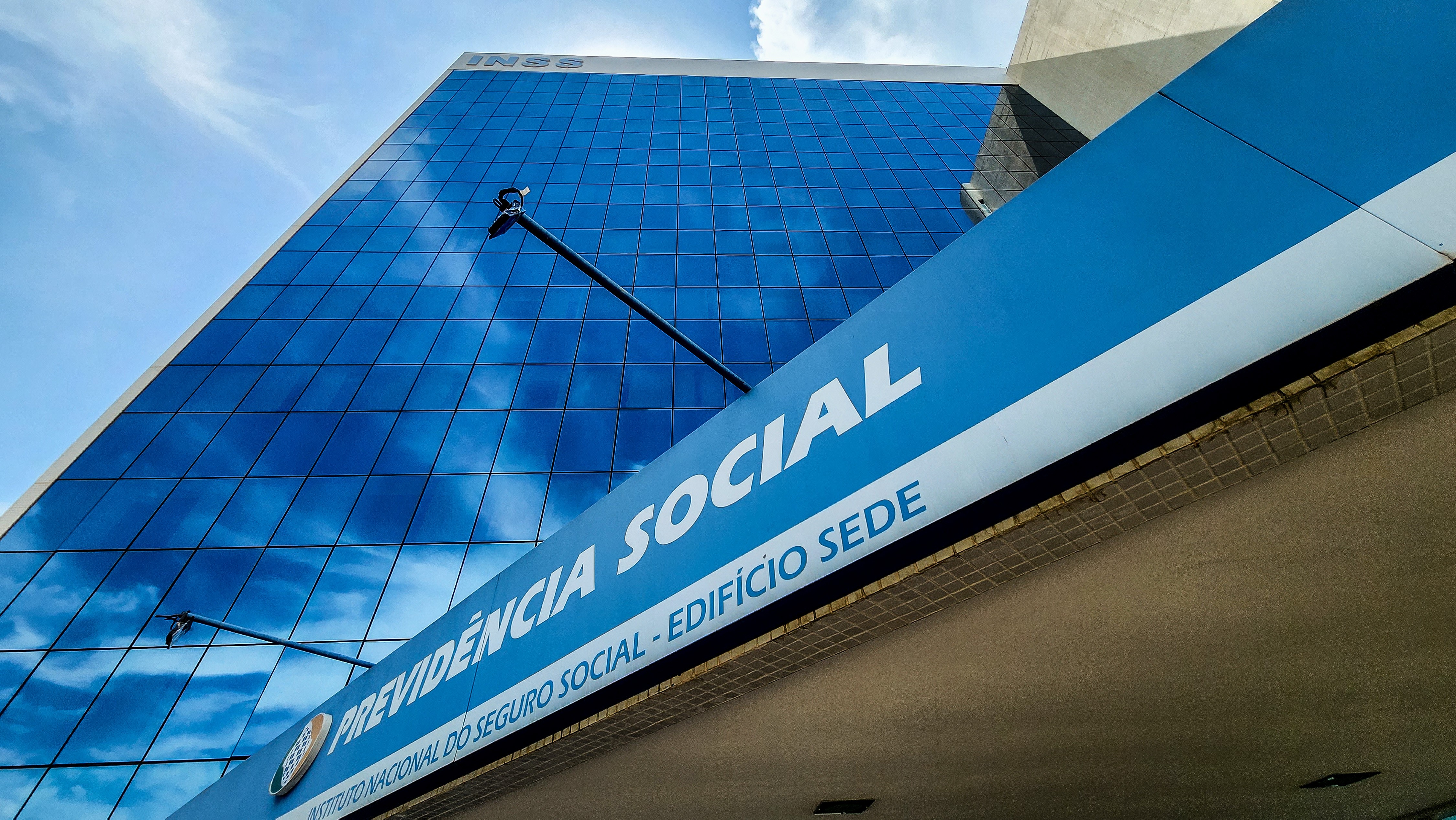
The National Social Security Institute (INSS) of Brazil commenced its July benefit payments on Monday, July 27. The distribution schedule is organized based on the final digit of beneficiaries' social security cards, excluding the verification digit. Individuals receiving up to one minimum wage will be paid first, followed by those earning above the national minimum wage. For those earning up to the minimum wage, payments are scheduled from July 27 to August 7, based on the last digit of their benefit card (1 through 0). Beneficiaries receiving more than the minimum wage will have their payments distributed from August 3 to August 7, with payment days accommodating two final digits each (1 and 6 on August 3, 2 and 7 on August 4, etc.). The INSS provides tools for beneficiaries to check their payment status and benefit amounts. These include the "Meu INSS" application and the website meu.inss.gov.br, where users can log in with their Gov.br credentials. Additionally, information can be obtained by calling the national helpline at 135, which operates from Monday to Saturday between 7 AM and 10 PM. The INSS also offers a simulator to estimate retirement benefits and contribution times under new regulations.
The INSS payment schedule, while structured for administrative efficiency, highlights the critical dependence of a significant portion of Brazil's population on timely social security disbursements. The staggered payment system, based on card numbers, aims to manage system load but can create a temporal disparity in income availability for different beneficiary groups. Future policy considerations might explore more equitable or immediate distribution mechanisms, particularly for those reliant on minimum wage benefits, potentially leveraging digital identity and payment infrastructure to streamline access and reduce administrative overhead. Examining the long-term sustainability and adequacy of these benefits in the face of evolving economic conditions and demographic shifts remains a key governance challenge.
AI-generated to prompt reflection — not editorial opinion, not advice, not a statement of fact. How this works.