Brazil's Labor Prosecutor's Office Investigates Election Harassment Claims in Pará
The Public Prosecutor's Office for Labor (MPT) in Brazil has recorded two allegations of electoral harassment in Pará state as of June 23, 2026. The incidents occurred in the municipalities of Monte Alegre and Santarém, located in the western part of the state. Although the current number of complaints is considered low, the MPT warns that such practices typically escalate during election years. Consequently, the agency has intensified its preventive measures, oversight, and awareness campaigns to safeguard workers' political freedom.
In Monte Alegre, one complaint led to a Conduct Adjustment Agreement (TAC) between the Municipal Prefecture and the MPT. This agreement followed information from the Electoral Prosecutor's Office indicating that commissioned and contracted civil servants were allegedly pressured to promote pre-campaign materials for a candidate aligned with a local councilor on social media. Reports suggest these workers were warned that a lack of engagement could jeopardize their re-hiring after their temporary contracts expired. The TAC obliges the Monte Alegre Prefecture to prevent any political pressure on its employees, prohibiting managers from coercing workers to support or oppose candidates, threatening dismissal, offering benefits, engaging in workplace campaigning, or using official meetings or channels for electoral purposes. The agreement also mandates the establishment of secure reporting channels, manager training, and investigations into existing cases, with potential fines of R$2,000 per affected worker for non-compliance.
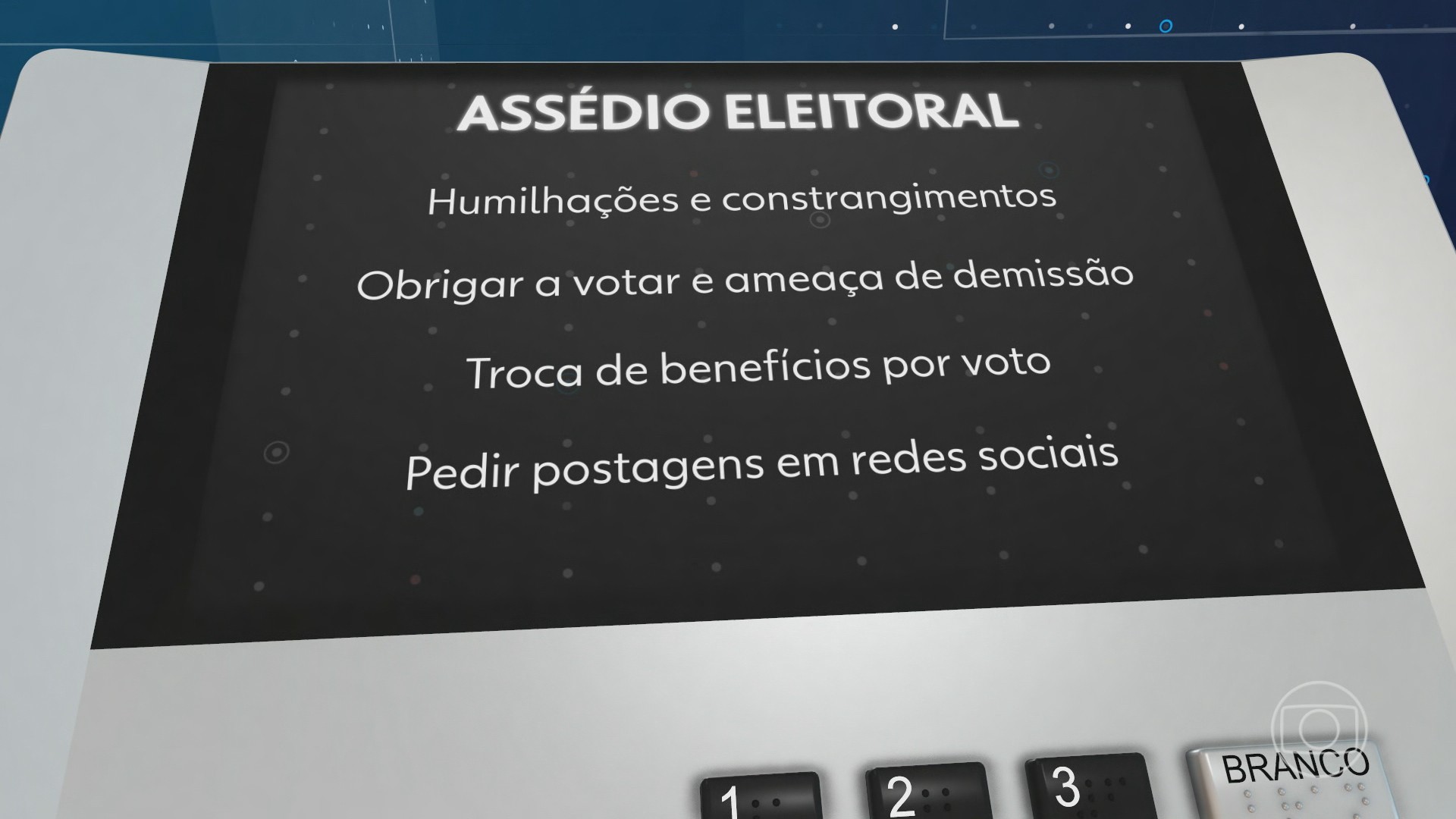
The MPT defines electoral harassment as employers or superiors using their work relationship to influence, pressure, intimidate, or coerce employees regarding their political choices. This can manifest as contract termination threats, promises of advantages for political support, mandatory participation in campaign events, demands to share campaign material online, inquiries about voting intentions, or using the workplace for propaganda. The MPT emphasizes that such actions violate fundamental rights like freedom of vote and political choice. In preparation for the 2026 elections, the MPT has enhanced educational campaigns, preventive actions, and investigations, collaborating with other public bodies including the State Public Prosecutor's Office of Pará (MPPA), the Federal Public Prosecutor's Office (MPF), and regional electoral and labor courts. The "Electoral Harassment is Not Allowed!" campaign aims to inform both workers and employers about the illegality of these practices, which are also prohibited by Superior Electoral Court Resolution nº 23.610/2019.
The Public Prosecutor's Office for Labor's proactive stance against electoral harassment highlights a growing concern over the weaponization of employment leverage for political gain. By establishing conduct agreements and reinforcing investigative protocols, the MPT aims to uphold democratic principles by protecting workers' fundamental right to political freedom. This approach acknowledges that in an era of evolving labor dynamics, safeguarding the integrity of electoral processes requires vigilance against subtle and overt forms of coercion. The emphasis on education and accessible reporting channels seeks to empower individuals and foster a culture of compliance, mitigating risks associated with undue influence in both public and private sectors. Future efforts may benefit from analyzing the systemic incentives that drive such behavior and exploring technological solutions to ensure transparency and accountability in political engagement within the workplace.
AI-generated to prompt reflection — not editorial opinion, not advice, not a statement of fact. How this works.