Brazil's Largest Catholic Festival Halleluya Expected to Draw 1.2 Million in Fortaleza
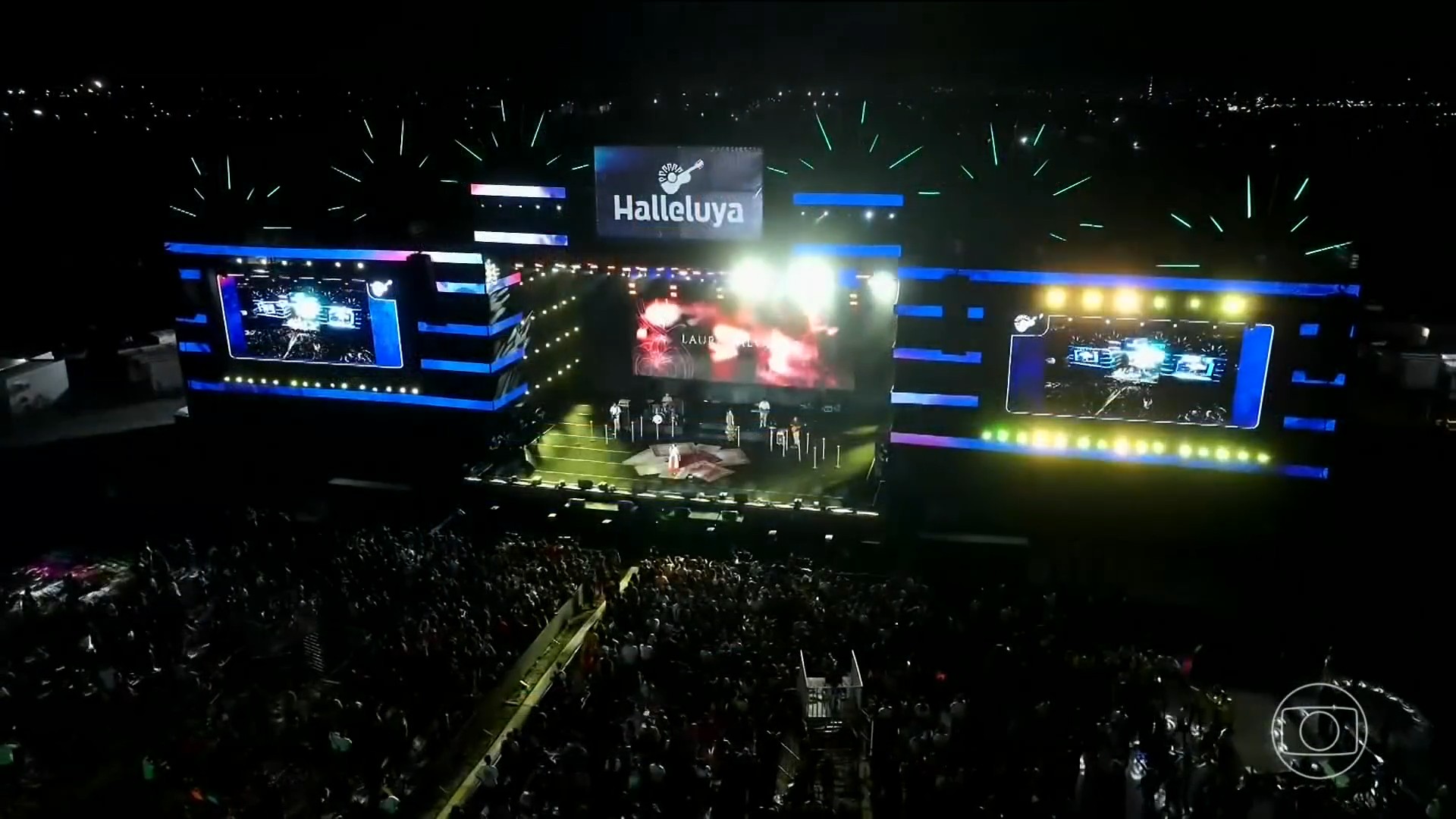
The Halleluya festival, a major Catholic music event in Latin America, is anticipated to draw approximately 1.2 million attendees in Fortaleza by Sunday, July 26th. This 29-year-old festival, organized by the Shalom Catholic Community, offers a diverse program including concerts, masses, prayer sessions, and activities tailored for various age groups. The event features performances by prominent Catholic artists and religious leaders, blending music with spirituality.
Attendees like nurse Giselia Santos express deep fulfillment in participating, highlighting the event's spiritual significance. Halleluya has evolved into a family tradition, with many who attended as children now returning with their own families. This year's edition places a special emphasis on children and youth, incorporating activities like a skate championship recognized by the Cearense Federation of Sports. The festival also includes areas for games and charitable actions, such as blood donation drives, which Tatiane Silva de Souza notes have seen record participation due to the event's atmosphere of solidarity.
Organizers estimate a significant youth presence, with Father Saulo Dantas observing that such healthy environments, combining sports, fun, and music with spiritual elements, help young people find life's meaning. The lineup includes well-known figures like the band Rosa de Saron, Sister Kelly Patrícia, and Fathers Fábio de Melo and Marcelo Rossi, offering attendees a unique experience of entertainment and faith.
The Halleluya festival exemplifies the growing trend of large-scale faith-based events that integrate cultural elements like music and sports to engage younger demographics. From a systems perspective, these events serve as significant community-building platforms, reinforcing religious identity and social cohesion. The inclusion of charitable activities, such as blood drives, demonstrates a capacity for leveraging collective spiritual energy towards tangible social good, a model that could be explored by secular organizations. As society navigates increasing digital saturation, the enduring appeal of physical gatherings for shared spiritual and social experiences highlights a fundamental human need for connection and meaning beyond the virtual realm. The challenge for such events moving forward will be to maintain their spiritual core while adapting to evolving cultural landscapes and technological advancements.
AI-generated to prompt reflection — not editorial opinion, not advice, not a statement of fact. How this works.