Brazil's Largest Street Cinema Faces Closure Due to Funding Delays
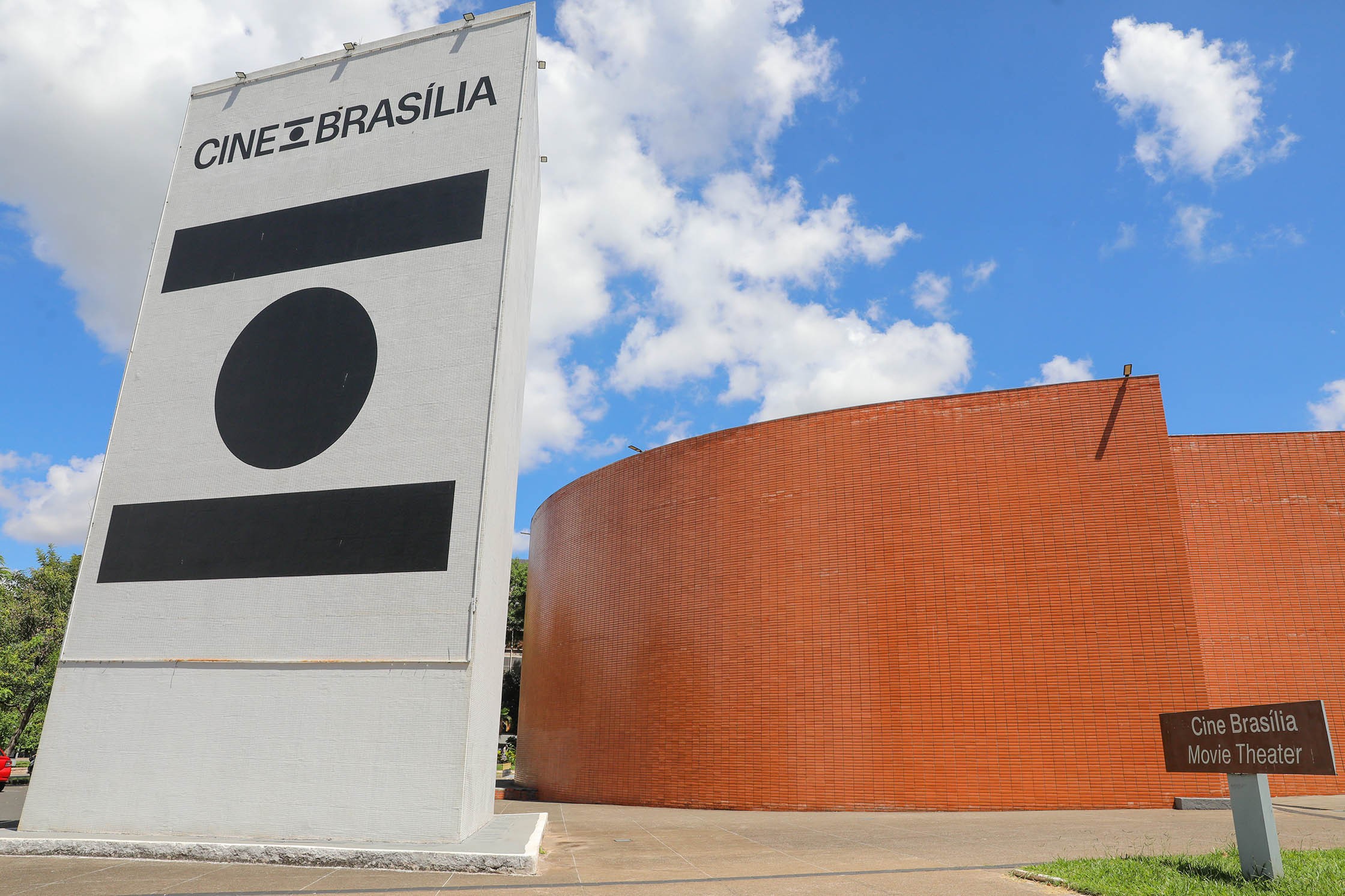
Cine Brasília, the last remaining street cinema in the Federal District and the largest of its kind in Brazil, is at risk of shutting down due to a lack of funds. The administration reports that a semiannual payment from the government, expected on May 23rd, had not been received by June 2nd. This delay is reportedly impacting payments to employees and suppliers, potentially jeopardizing the cinema's operations. The venue, part of Oscar Niemeyer's architectural project and inaugurated in 1960, was designated a World Heritage site in 1987 and is considered a significant cultural and cinematic exhibition space in Latin America. The Federal District's Secretariat of State for Culture and Creative Economy (Secec-DF) acknowledged the delay, stating that the payment process is underway. The Secretariat also noted that it maintains communication with relevant authorities to ensure the consistent administrative and financial flow necessary for Cine Brasília's operation. To prevent immediate disruption, Secec-DF has exceptionally authorized the temporary use of available partnership funds, with plans for future reimbursement, to maintain the cinema's continuity while financial procedures are finalized. Cine Brasília, which features a single auditorium with over 600 seats, was the birthplace of the Brazilian Cinema Festival in 1967 and is recognized for its unique architectural and cinematic experience, offering diverse programming beyond art-house films. Since 2022, the cinema has been managed through a partnership between the Secretariat of Culture and Box Cultural, aiming to modernize the facility and reinforce its role as a cultural hub.
The potential closure of Cine Brasília highlights systemic challenges in public funding for cultural institutions, particularly those with historical significance and architectural merit. The reliance on government disbursement schedules, even for established cultural landmarks, creates inherent financial precarity. This situation underscores a broader tension between the long-term cultural value of such spaces and the short-term fiscal pressures faced by public administrations. Future-proofing cultural assets may require diversifying revenue streams beyond direct government appropriations, exploring innovative public-private partnerships, or establishing dedicated endowments that are insulated from immediate budget fluctuations. The incident also prompts consideration of how urban development and cultural preservation can be better integrated to ensure the sustained viability of iconic public spaces in the digital age.
AI-generated to prompt reflection — not editorial opinion, not advice, not a statement of fact. How this works.