Brazil's Lula Congratulates Peru's New President Keiko Fujimori, Vows Ambitious Bilateral Agenda
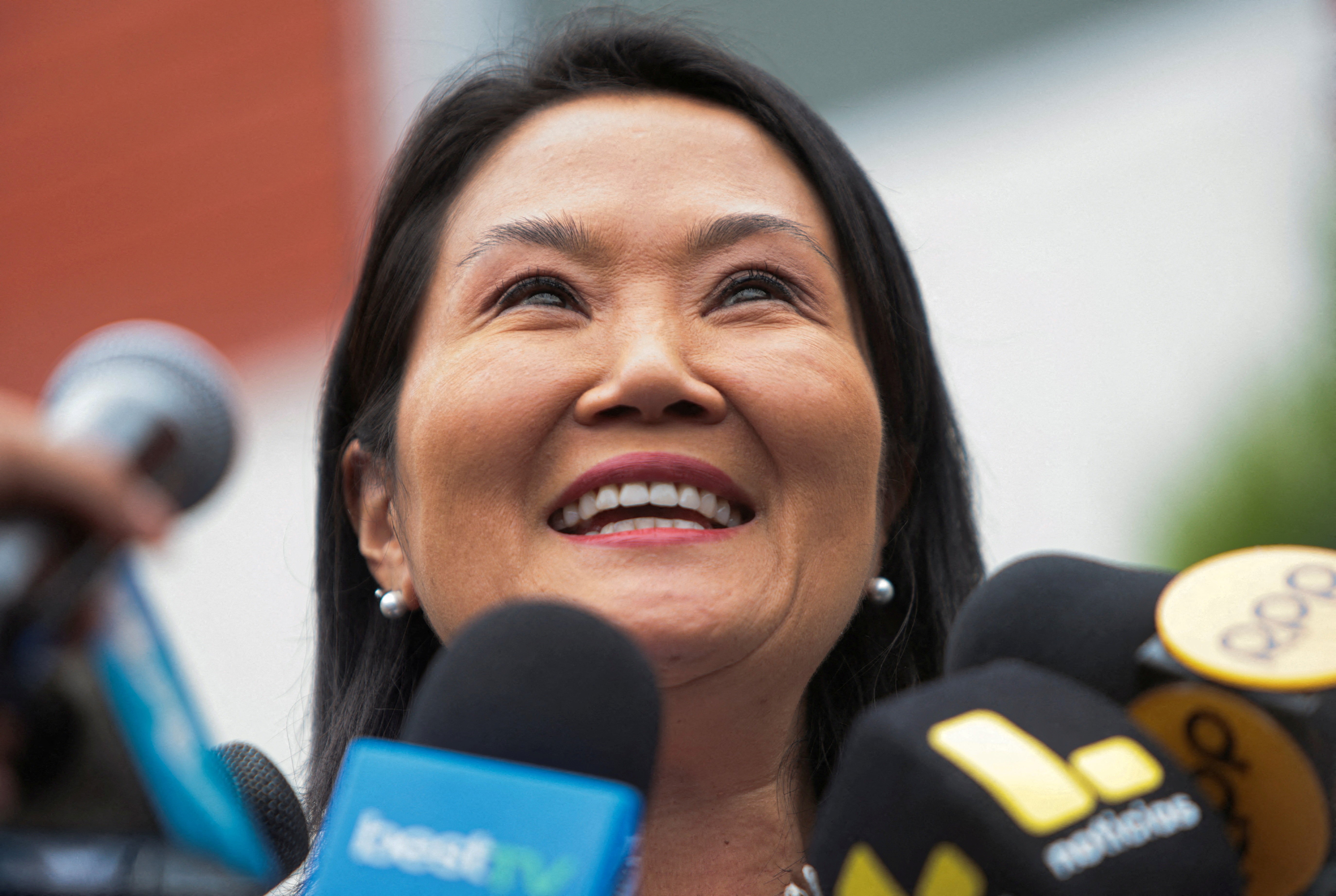
Brazilian President Luiz Inácio Lula da Silva has congratulated Keiko Fujimori on her election as the new president of Peru, following the official proclamation of the results by the country's electoral authority on Friday, June 3rd. In a social media post, President Lula expressed his wishes for her success in leading Peru and uniting its people around a common development project. He emphasized Peru's status as a sister nation, sharing a long border and deep human connections with Brazil.
President Lula stated that Brazil is prepared to pursue an ambitious bilateral agenda with Peru, focusing on expanding trade and investments, enhancing logistical and digital infrastructure, combating hunger and poverty, protecting the Amazon, and fighting transnational organized crime. He also affirmed that Fujimori can count on Brazil's support to build a more prosperous, integrated, democratic, and sovereign South America together. Fujimori secured victory with 9,223,396 votes (50.135%) over her left-wing opponent, Roberto Sánchez, who received 9,173,755 votes (49.865%). The election, held on June 7th, saw a narrow margin of only 49,641 votes separating the candidates, reflecting significant polarization. Fujimori, daughter of former dictator Alberto Fujimori, inherits the presidency amid political instability, succeeding interim President José María Balcázar Zelada.
This event highlights the complex geopolitical realignments occurring in South America, particularly concerning the interplay between established left-leaning governments and the emergence of right-leaning leadership in key nations. Brazil's proactive engagement signals a strategic interest in maintaining regional influence and fostering economic partnerships, irrespective of ideological differences. The narrow electoral margin in Peru underscores a deeply divided electorate, presenting a significant governance challenge for the incoming administration. Future policy decisions will likely be shaped by the need to bridge this internal divide while navigating external economic pressures and regional integration goals, with potential implications for trade flows, infrastructure development, and environmental cooperation across the continent.
AI-generated to prompt reflection — not editorial opinion, not advice, not a statement of fact. How this works.