Brazil's Lula Criticizes Trump's Proposed Strait of Hormuz Toll as "Piracy"
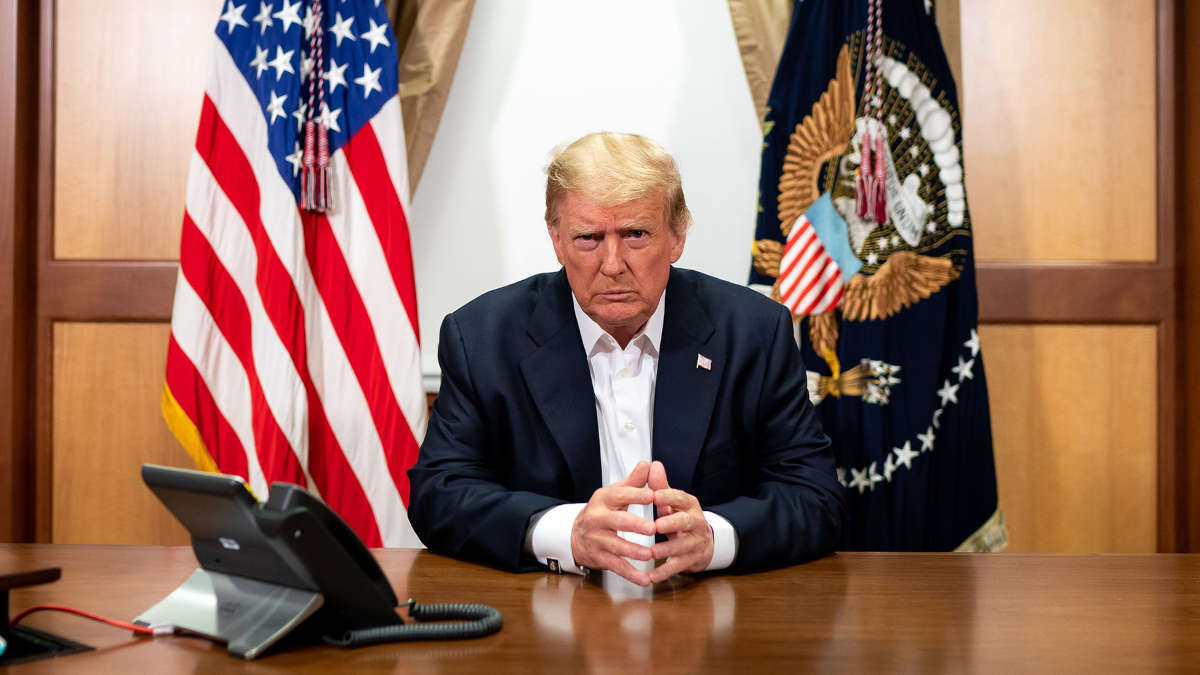
Brazilian President Luiz Inácio Lula da Silva has strongly criticized a proposed 20% toll by former U.S. President Donald Trump on ships transiting the Strait of Hormuz. President Lula likened the proposed fee to "piracy" during an official visit on July 13th. This statement marks a significant stance from a South American leader challenging Washington's policies. The Strait of Hormuz is a vital waterway for global oil transport, and any disruption or new charges could have substantial economic repercussions. Lula's remarks suggest a growing assertiveness from Brazil on international economic matters and a willingness to publicly oppose U.S. proposals perceived as unfair or exploitative. The specific details of Trump's proposal and the broader geopolitical context surrounding the Strait of Hormuz remain subjects of international attention.
President Lula's characterization of the proposed Strait of Hormuz toll as "piracy" highlights a potential conflict between national interests and international trade norms. From an economic perspective, imposing tolls on international transit routes without established multilateral agreements can disrupt global supply chains and create market inefficiencies. Such actions may incentivize alternative trade routes or energy sources, potentially diminishing the strategic importance of the Strait over the long term. This situation underscores the ongoing tension between unilateral policy initiatives and the principles of free navigation and open commerce, particularly in critical global chokepoints. The long-term implications could involve shifts in geopolitical alliances and trade patterns as nations seek to secure their economic interests against perceived overreach.
AI-generated to prompt reflection — not editorial opinion, not advice, not a statement of fact. How this works.