Brazil's Lula Criticizes US Trade Talks, Announces Support for Affected Businesses
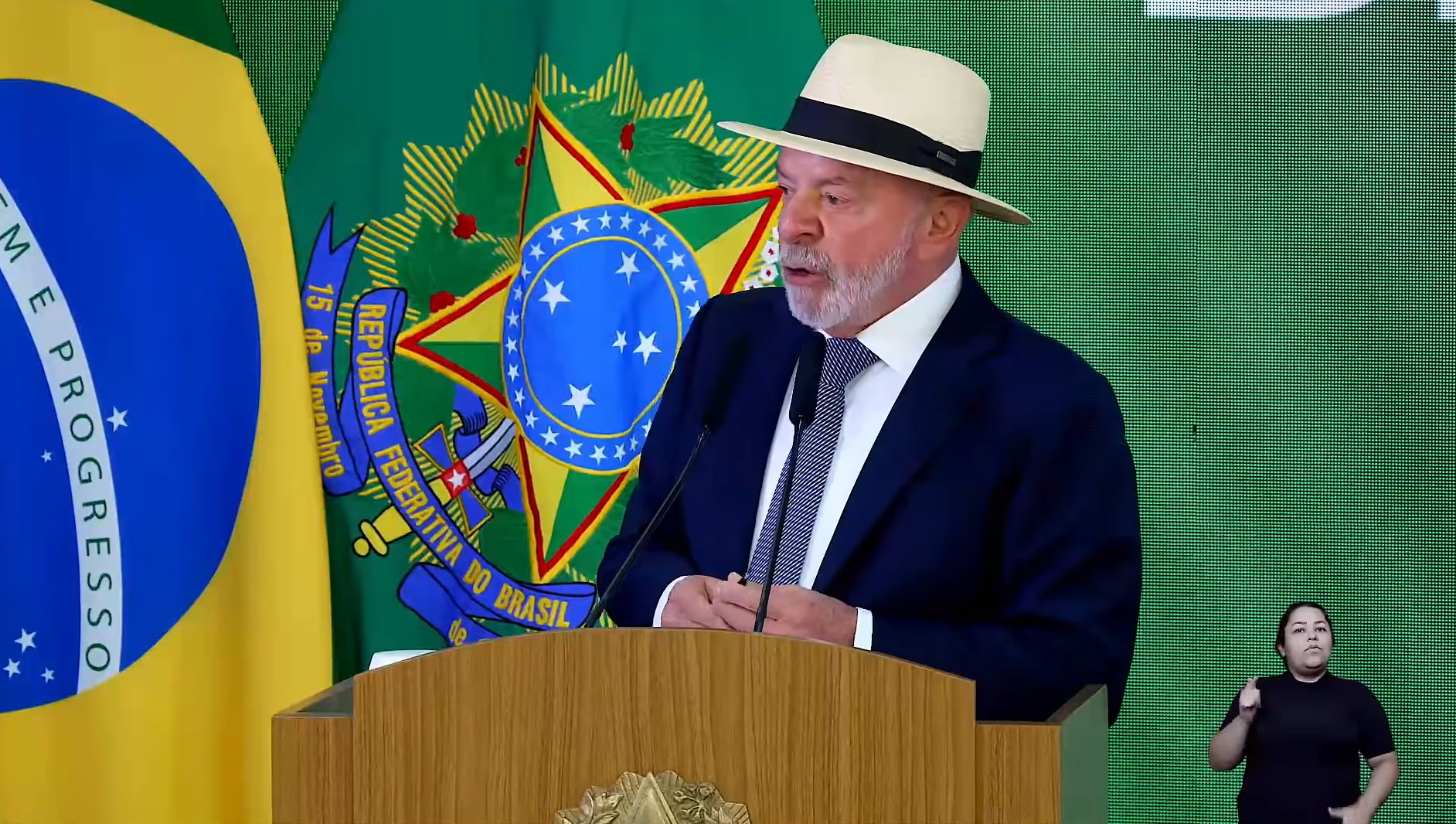
Brazilian President Luiz Inácio Lula da Silva stated on Wednesday, February 22nd, that Brazil has not found reciprocity in its trade negotiations with the United States regarding tariffs. He emphasized that Brazil will not cease its efforts to negotiate with the U.S. government, despite the lack of a reciprocal response. President Lula explained that Brazil has submitted numerous documents and proposals, and he personally engaged in a three-hour discussion in the U.S. to resolve these issues. He asserted that Brazil will remain at the negotiation table, making proposals and challenging the U.S. to justify its tariffs. The U.S. government, under the previous Donald Trump administration, confirmed a 25% tariff on Brazilian products, citing practices that allegedly burden or restrict trade, such as the PIX payment system and digital platform regulations. President Lula also declared that Brazil will not dwell on products it doesn't sell to the U.S. and will actively seek other international buyers. This announcement was made during a ceremony at the Planalto Palace, where measures were sanctioned to support companies impacted by the U.S. tariffs and the conflict in the Middle East. The government is releasing R$ 18.5 billion in credit for businesses affected by the 25% tariffs on Brazilian goods sold in the U.S. market, as well as those impacted by the war in the Middle East. This funding targets sectors like steel, aluminum, automotive, wood, and machinery, along with strategic industries such as fertilizers, pharmaceuticals, textiles, and critical minerals, and sectors whose exports to the Persian Gulf have been affected. Additionally, President Lula sanctioned a law releasing R$ 15 billion through the "Brasil Soberano 2" program, expanding credit lines under the Sovereign Brazil Plan established last year to counter previous U.S. tariffs.
The Brazilian government's response to U.S. tariffs highlights a strategic pivot from direct confrontation to seeking alternative markets and domestic support. While President Lula expresses frustration over a perceived lack of reciprocity in bilateral trade discussions, the administration's actions—releasing significant credit lines to affected industries and emphasizing continued negotiation—suggest a pragmatic approach to mitigating economic impact. This situation underscores the complexities of international trade relations in an era of shifting global economic policies. Brazil's strategy appears designed to build resilience by diversifying export destinations and strengthening domestic industrial capacity, rather than solely relying on resolving disputes with a single major trading partner. This approach may foster greater economic autonomy and reduce vulnerability to external protectionist measures in the long term, while also signaling a willingness to engage constructively within established international frameworks.
AI-generated to prompt reflection — not editorial opinion, not advice, not a statement of fact. How this works.