Brazil's Lula Vows to Fight US Tariffs with 'War of Truth' Against Trump
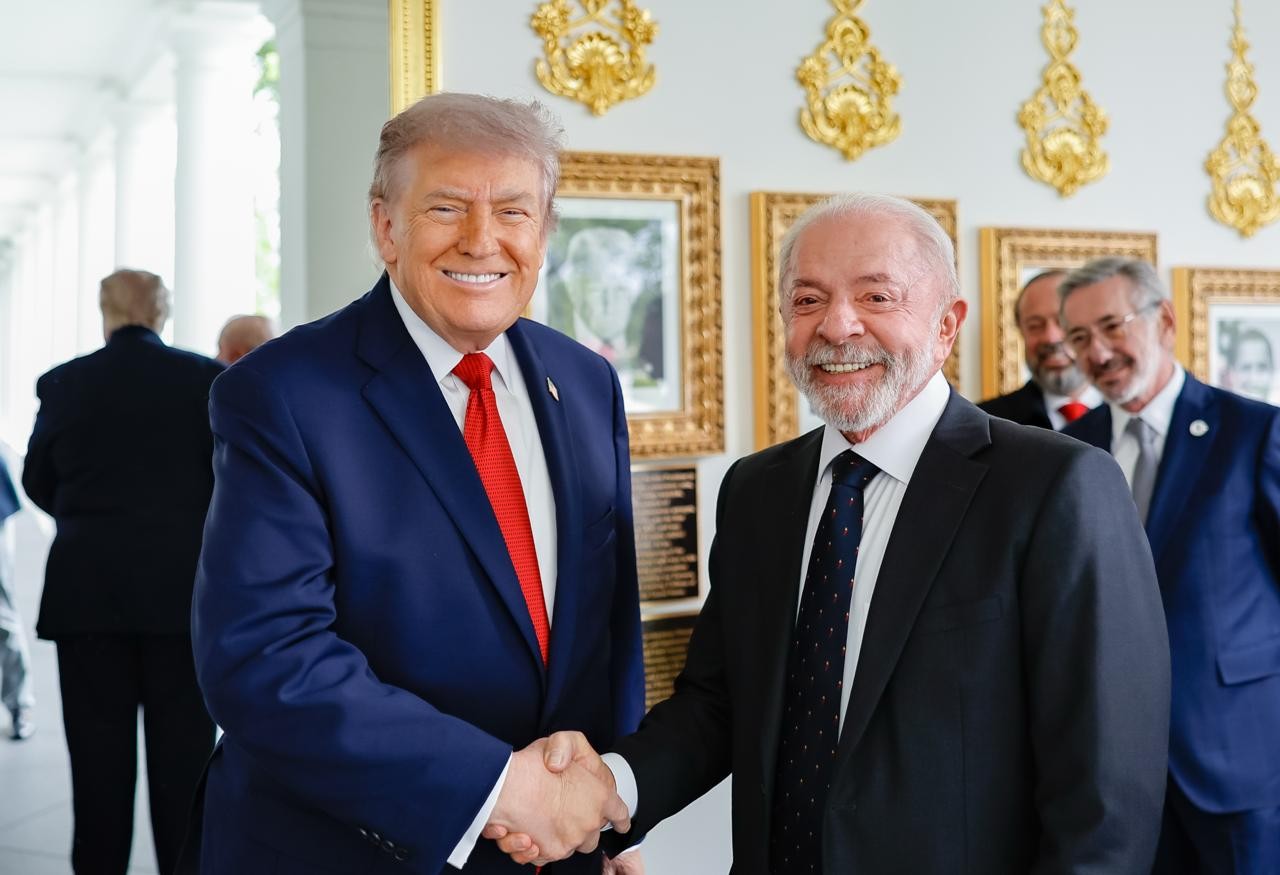
Brazilian President Luiz Inácio Lula da Silva declared on Friday, May 17th, his intention to engage in a "war of narrative, war of truth" with U.S. President Donald Trump regarding the new 25% tariff imposed by the United States on Brazilian products. Lula stated his goal is to demonstrate to the world who is speaking the truth in this trade dispute. He asserted that Trump will need to learn to fight with the "weapon of words," a method he believes Brazil will master. This marks Lula's second public statement on the Trump administration's latest trade action against Brazil. The remarks were made during a visit to the National Institute of Traumatology and Orthopedics (INTO) in Rio de Janeiro. Earlier, Lula had indicated he would await Trump's official statement before commenting further. The U.S. confirmed the new tariff this week, escalating commercial pressure on Brazil, though certain key products like oil, coffee, and beef are exempt. The measure, set to take effect on July 22nd, stems from a year-long USTR investigation under Section 301 of the Trade Act of 1974, which addresses foreign trade barriers. The Trump administration has cited economic, legal, and environmental factors, while also suggesting the tariff has political motivations. President Lula emphasized Brazil's sovereignty, stating the nation will not be deceived by the U.S. and demands respect, just as Brazil offers it to other countries.
The exchange between Presidents Lula and Trump highlights the increasing use of economic policy as a geopolitical tool, often framed within a 'narrative war.' While Brazil frames its response as a defense of truth and sovereignty, the U.S. action, based on Section 301, represents a protectionist stance justified through trade investigations. This dynamic reflects a broader trend where national economic interests are pursued through aggressive, sometimes politically charged, trade measures. The conflict underscores the challenge for nations to navigate global trade under administrations prioritizing bilateral deals and perceived unfair practices. Future trade relations may increasingly depend on a nation's ability to articulate its narrative effectively and leverage international platforms, moving beyond purely economic arguments to encompass political and informational dimensions.
AI-generated to prompt reflection — not editorial opinion, not advice, not a statement of fact. How this works.