Brazil's Meat Exporters May Fail EU Antimicrobial Standards, Threatening Market Access
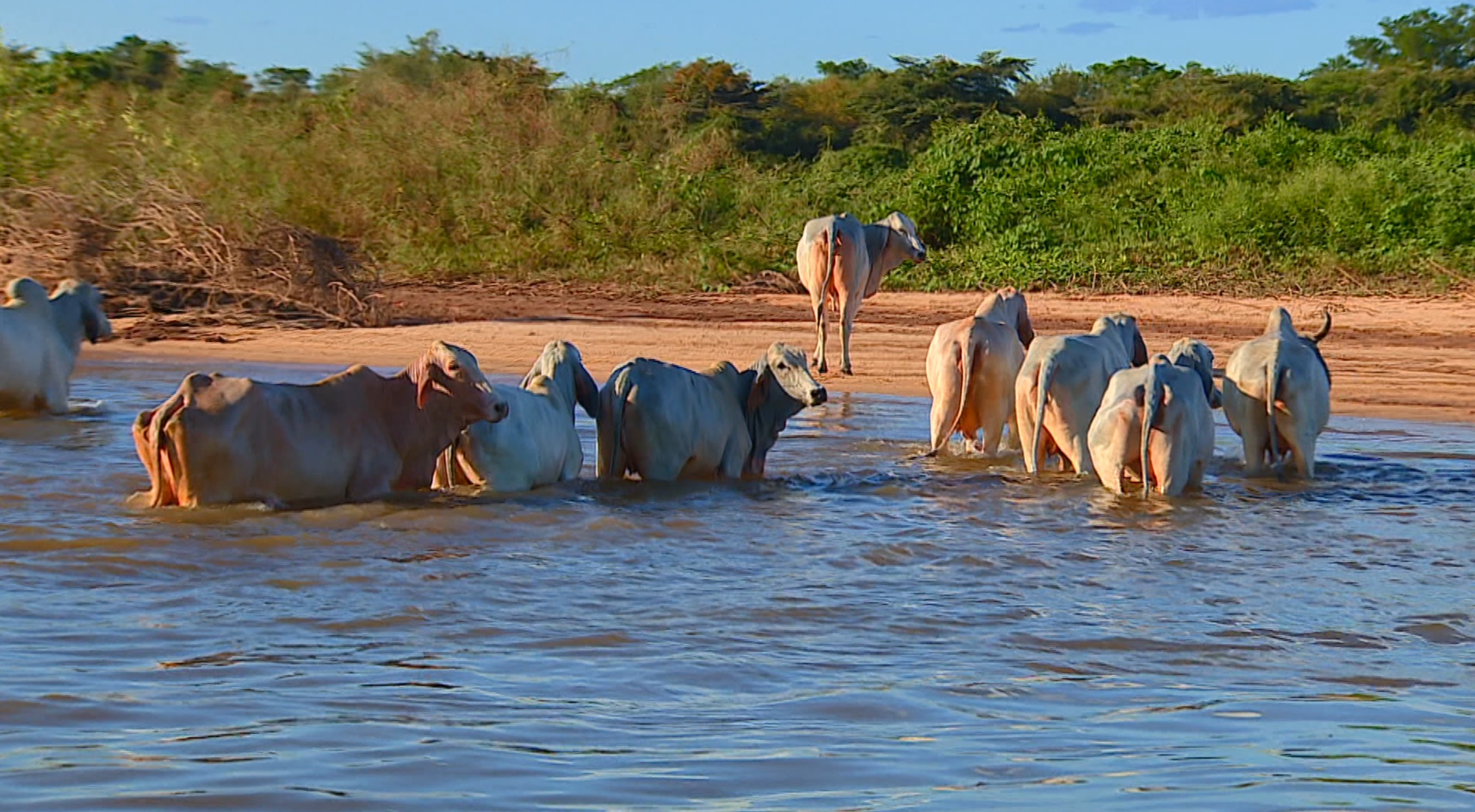
Brazilian meat exporters face significant challenges in meeting the European Union's stringent requirements regarding antimicrobial use in livestock production. Roberto Perosa, president of the Brazilian Association of Meat Exporting Industries (Abiec), stated on Thursday, May 16, that there is a high probability that Brazilian meat production will not comply with EU regulations, potentially leading to a loss of access to this crucial market. The EU officially removed Brazil from its list of countries deemed compliant with its antimicrobial control rules for animal production in early June. Consequently, Brazil will be prohibited from exporting meat and animal products to the EU starting September 3. Previously, Brazil was authorized to export beef, chicken, horse meat, tripe, fish, and honey to the bloc. The European Commission cited Brazil's failure to provide necessary information to verify compliance as the reason for its removal from the list. The Brazilian sector estimates that adapting to these new rules, particularly for beef cattle, could take approximately two years. Although the EU represents a smaller portion of Brazil's total meat exports, it is considered a strategic market for high-value cuts, accounting for 5% of Brazil's exports last year. Beyond the EU restrictions, Brazil's meat industry also faces challenges from China's safeguard measures, which impose import quotas and surcharges on Brazilian beef starting January 1, 2026. Abiec reports that the combined effects of these restrictions are already impacting the industry, with some meatpacking plants experiencing production slowdowns and collective holidays. Perosa noted a decrease in global demand, which affects domestic prices by complementing export revenue. While domestic demand is Brazil's primary market, export revenue helps stabilize internal prices. The current situation, with reduced export opportunities, is causing financial difficulties for many industries, with most operating at a loss. Initially, domestic meat prices are expected to remain stable, but production margin pressures and economic factors could lead to future price increases.
The EU's decision to restrict Brazilian meat imports due to antimicrobial use highlights a growing global trend towards stricter food safety and public health standards, driven by consumer awareness and regulatory convergence. This situation underscores the systemic challenge for major agricultural exporters to balance production volume and cost-efficiency with evolving international compliance requirements. Brazil's reliance on export markets, particularly for higher-value products, makes it vulnerable to such regulatory shifts. The dual pressure from the EU and China's safeguard measures suggests a need for Brazil to diversify its export strategies and potentially invest more in traceability and compliance infrastructure to maintain market access and competitive pricing in the long term. The industry's assertion of a two-year adaptation period for beef production points to the capital-intensive and time-consuming nature of agricultural system reforms, necessitating proactive engagement between government and industry stakeholders to mitigate economic impacts and ensure future market readiness.
AI-generated to prompt reflection — not editorial opinion, not advice, not a statement of fact. How this works.