Brazil's Meat Exports to EU Blocked Over Antimicrobial Use Rules
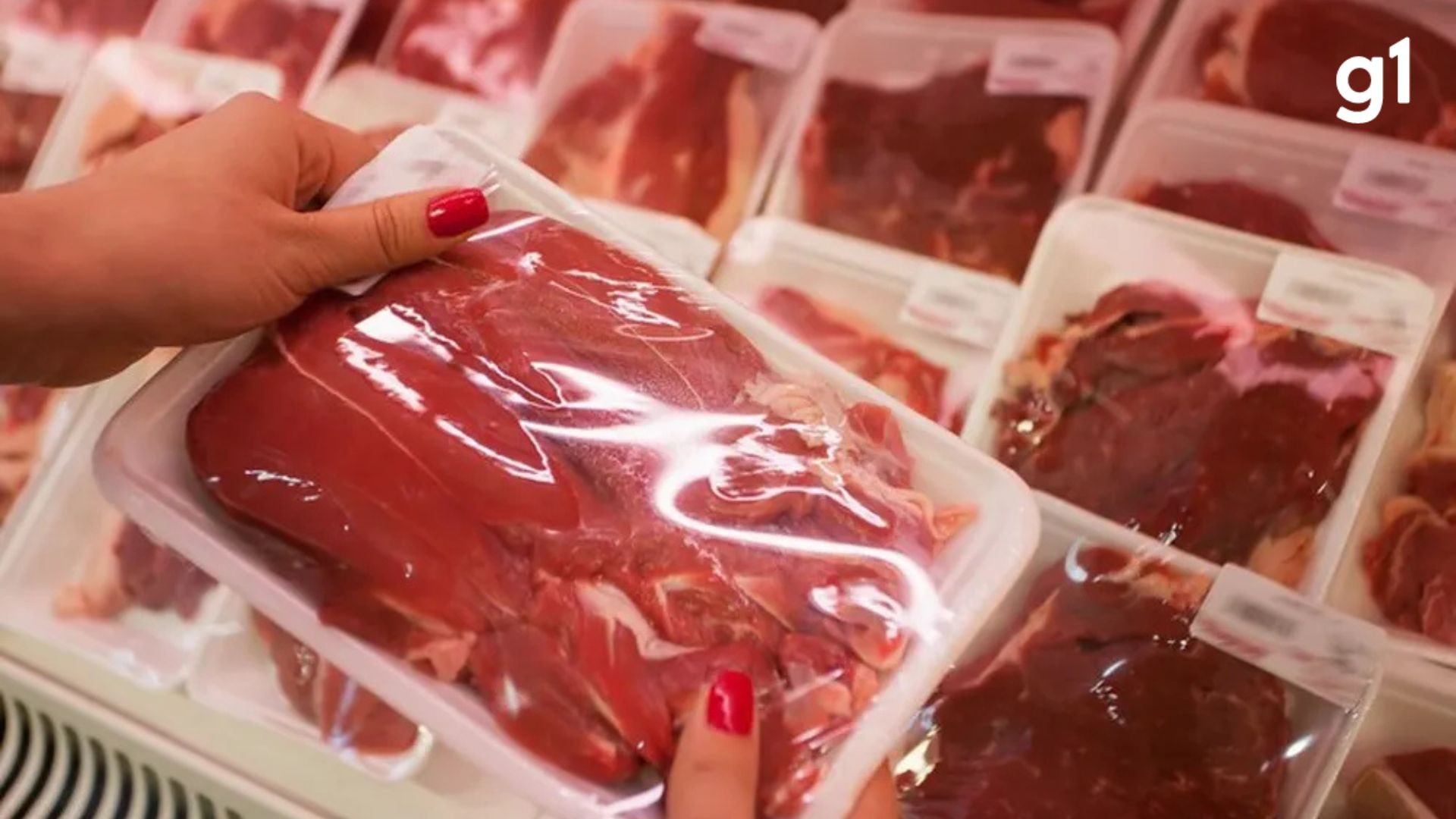
Brazil's ability to export meat to the European Union has been officially suspended starting September 3rd, following the EU's decision in early June to remove Brazil from its list of countries compliant with antimicrobial use regulations in animal production. The Brazilian Ministry of Agriculture and Livestock (Mapa) asserts that the responsibility for establishing mechanisms to meet the EU's stringent requirements on antimicrobial use lies primarily with the productive sector. The EU has prohibited the import of Brazilian beef, chicken, horse meat, fish, and honey due to concerns over the use of certain antimicrobials, some of which are authorized in Brazil but restricted by the EU, particularly for growth promotion. Mapa had previously alerted industry representatives in June 2023 and subsequent meetings about the necessity of creating private control systems to ensure animals destined for the EU were not treated with banned substances, as the government did not intend to prohibit these antimicrobials nationally. Despite these warnings, the initial proposals for control protocols submitted by the sector were deemed insufficient by the EU. The timeline shows ongoing discussions, with Brazil submitting protocols for cattle in April and May 2026, but the EU's Directorate-General for Health and Food Safety (DG SANTE) indicated in May that it would not comment on the proposal or accept a transition period. The EU reiterated concerns and requested more detailed information on Brazil's regulatory situation and control mechanisms. Brazil has committed to sending updated documentation, and negotiations are reportedly continuing. The EU's stricter regulations, in place since the 1990s and reinforced in 2006 and 2019, aim to combat the rise of antimicrobial resistance (AMR), a significant threat to human health, and are part of the broader 'One Health' initiative connecting human, animal, and environmental well-being.
Brazil's exclusion from the EU's approved meat import list highlights a critical divergence in regulatory approaches to antimicrobial use in livestock. The EU's stringent 'One Health' framework prioritizes public health by limiting antimicrobial use to essential therapeutic purposes, viewing any broader application as a driver of antibiotic resistance. Brazil's Ministry of Agriculture, while acknowledging the need for compliance, emphasizes that the onus of creating private control systems falls on the industry, reflecting a model where national regulations permit broader antimicrobial use for production efficiency. This situation presents a systemic challenge: reconciling differing national agricultural policies with global public health imperatives. The immediate economic impact on Brazil's significant meat export sector underscores the long-term strategic necessity for aligning domestic practices with international standards to maintain market access and mitigate the global threat of antimicrobial resistance.
AI-generated to prompt reflection — not editorial opinion, not advice, not a statement of fact. How this works.