Brazil's Most Traumatic World Cup Defeats: A Look Back
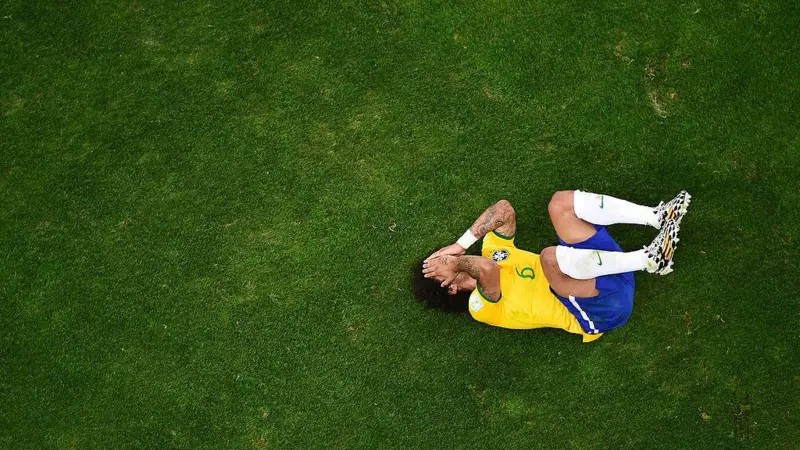
Brazil's 2-1 loss to Germany in the 2026 World Cup round of 16 marks their worst performance since 1990 and adds to a history of painful defeats. This latest setback extends Brazil's trophy drought to 28 years, a significant gap for the nation that has participated in all 23 World Cups and won five titles. While Brazil has experienced 18 eliminations, BBC News Brasil, with expert input, has identified the most traumatic.
The 2014 World Cup, hosted by Brazil, saw a devastating 7-1 semi-final loss to Germany in Belo Horizonte. Despite a strong start and reaching the semi-finals under coach Luiz Felipe Scolari, the team suffered a catastrophic "blackout" in the first half, conceding four goals in seven minutes. This defeat, followed by a 3-0 loss to the Netherlands for third place, was described as a "tactical disaster" and a "shock for the country" that transcended sports.
Another deeply traumatic event was the "Maracanaço" in 1950, where Brazil lost the decisive match to Uruguay at the newly built Maracanã stadium. This loss, occurring in a different tournament format, was particularly impactful due to the socio-political context of post-WWII Brazil aiming to present itself as a modern nation. The defeat also led to scapegoating of Black players, highlighting underlying racial tensions. The 1998 final, a 3-0 loss to France, is also remembered as a disappointment, compounded by the mysterious pre-match incident involving star player Ronaldo.
The analysis of Brazil's World Cup defeats reveals a recurring pattern where national expectations, amplified by hosting duties and historical success, create immense pressure. The "Maracanaço" and the 7-1 loss to Germany exemplify how sporting outcomes can become deeply intertwined with national identity, socio-political narratives, and even racial dynamics. In the digital age, where information and emotional narratives spread rapidly, the intensity of public reaction to such events is likely to increase. Future football governance and national team management will need to address not only technical and tactical preparation but also the psychological and societal pressures that can profoundly affect performance and national sentiment, especially as AI continues to influence data analysis and strategic planning in sports.
AI-generated to prompt reflection — not editorial opinion, not advice, not a statement of fact. How this works.