Brazil's MPF Seeks Immediate Halt to Alcoa's Amazon River Dredging in Juruti
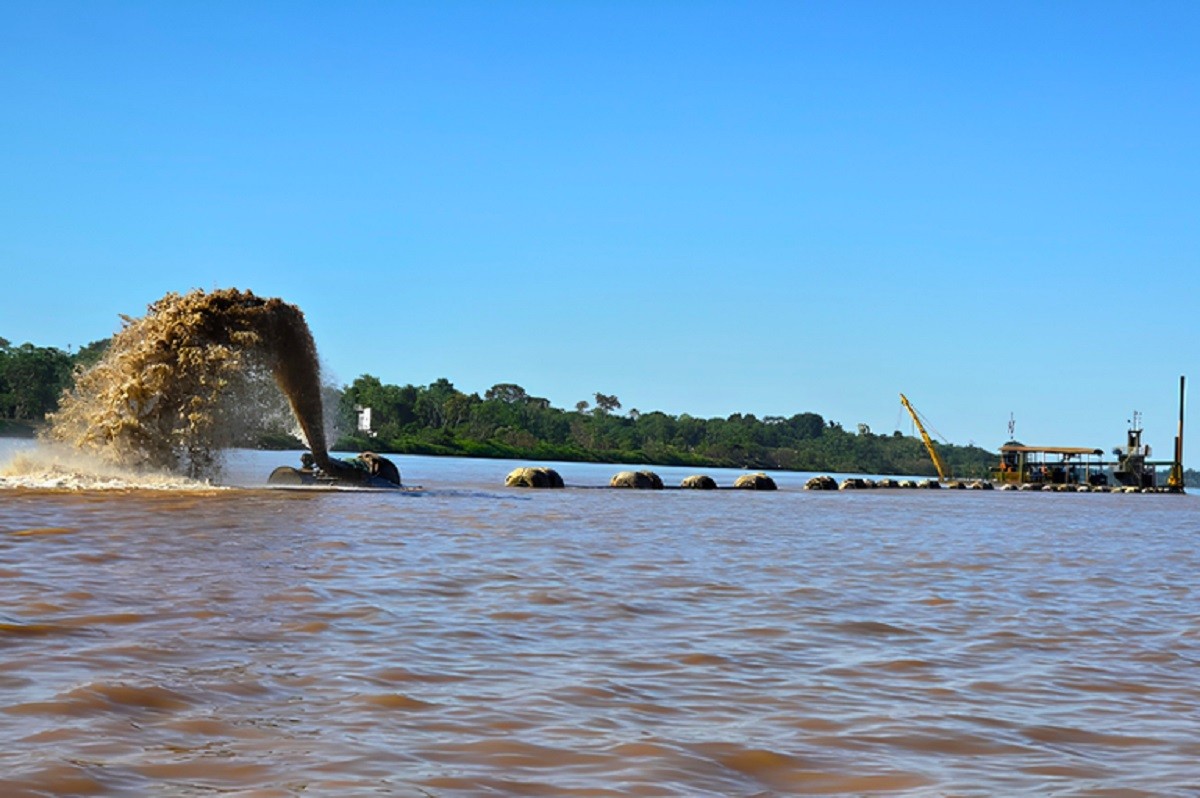
The Federal Public Prosecutor's Office (MPF) in Brazil has filed a lawsuit seeking the immediate suspension of dredging activities by Alcoa on the Amazon River in Juruti, western Pará. The MPF argues that the environmental license granted by the State Secretariat of Environment and Sustainability (Semas) is irregular and permits a high-impact environmental intervention without the legally required studies. Experts from the MPF, specializing in Oceanography, Sanitary Engineering, and Biology, have concluded that the operation, despite being licensed as maintenance dredging, significantly alters the riverbed's depth and width, effectively constituting an expansion of the river channel. This type of work, according to the MPF, necessitates a full Environmental Impact Study (EIA) and Environmental Impact Report (Rima), not the simplified studies presented. The lawsuit also challenges Semas's criteria for authorizing the removal of up to 7 million cubic meters of sediment by June 2027, noting the license lacks execution timelines, specific activity periods, and conditions related to the river's flood and drought cycles. The MPF points out that Alcoa may be dredging based on operational needs rather than environmental conditions, even after river levels normalized from an extreme drought. The lack of control over dredging periods poses risks to aquatic fauna and local communities, with fish deaths reported shortly after the new dredging cycle began on July 10th. The MPF fears interventions could occur during fish spawning seasons and turtle nesting periods. The MPF requests an immediate suspension of Semas's environmental license and orders Alcoa to cease all dredging operations within 24 hours, including removing equipment. Semas is also asked to suspend the authorization and enforce the decision within 48 hours. Daily fines of R$100,000 are sought for the State of Pará and Alcoa for non-compliance, along with R$30,000 daily fines for the state's environmental secretary and Alcoa's president. Ultimately, the MPF seeks to annul the license permanently and require comprehensive environmental studies, detailed schedules, and technical proof of necessity for any future dredging.
The MPF's action highlights a potential systemic conflict between industrial operational demands and environmental protection mandates within Brazil's regulatory framework. By questioning the adequacy of the environmental licensing process for Alcoa's dredging, the MPF raises concerns about whether current oversight mechanisms are robust enough to prevent significant ecological disruption, particularly in sensitive riverine ecosystems. The analysis suggests a need for greater transparency and scientific rigor in environmental impact assessments, ensuring that short-term operational needs do not override long-term ecological sustainability. Future environmental governance may need to incorporate more dynamic risk assessment models that account for fluctuating environmental conditions and the cumulative impacts of industrial activities, especially as climate change intensifies extreme weather events.
AI-generated to prompt reflection — not editorial opinion, not advice, not a statement of fact. How this works.