Brazil's 'National Cold Capital' Sees 3°C; State Braces for Weekend Lows of -4°C
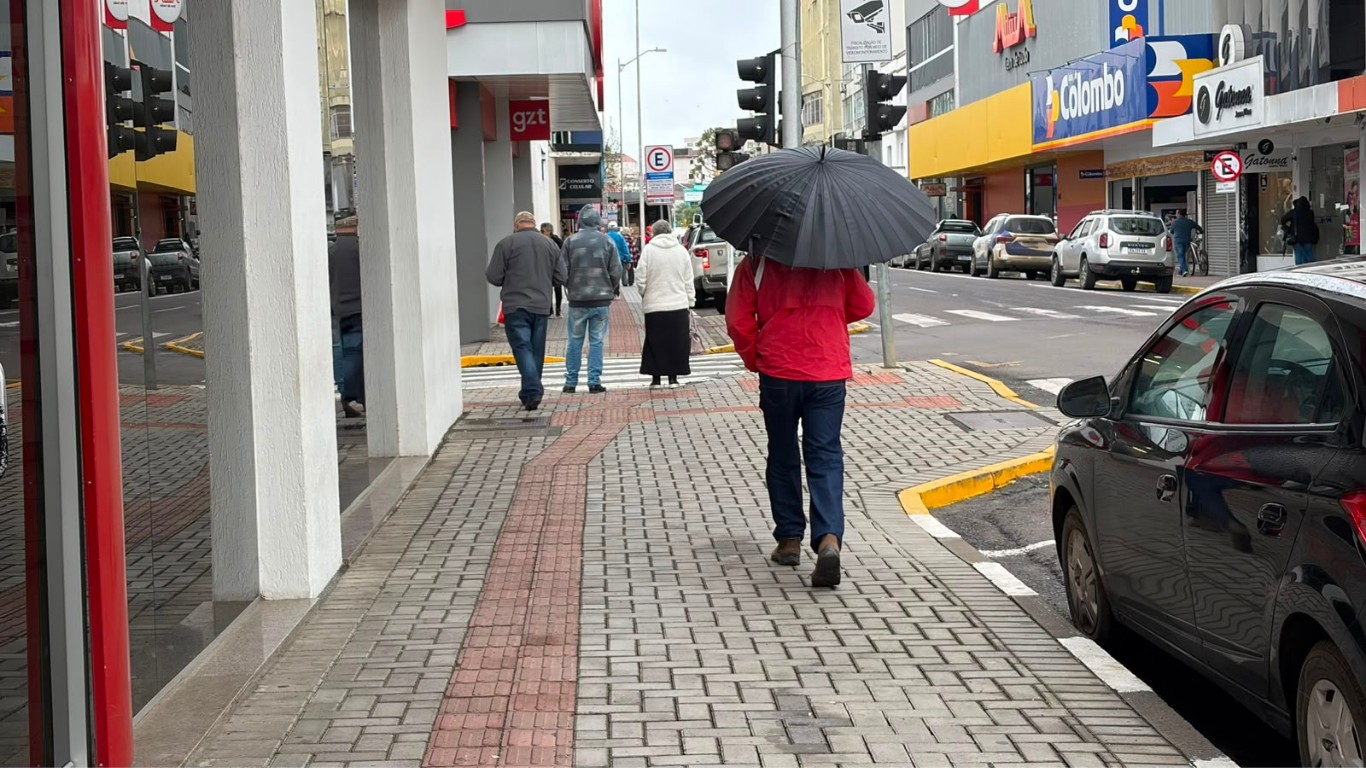
Urupema, known as Brazil's "National Cold Capital" and located in the Serra de Santa Catarina region, recorded a low of 3°C on Friday, October 3rd, at 7 AM. This temperature, the state's lowest for the day, was registered at Morro das Antenas, a tourist spot at an altitude of 1,700 meters, according to the Civil Defense. Other cities in the mountainous region also experienced significant cold, with Urubici and São Joaquim registering 3.8°C. Further west, Campo Erê saw a low of 6.2°C, while Celso Ramos, near Florianópolis, recorded 7.5°C. Urupema's consistently low temperatures are attributed to its high altitude and unique geography, with its urban area situated in a valley surrounded by hills, causing cold air to accumulate. This phenomenon has solidified its reputation as the "National Cold Capital," a title officially recognized by law in 2021. Looking ahead to the weekend, Saturday, October 4th, is expected to bring clear skies and continued cold across Santa Catarina. Frost is anticipated in higher elevations of the West, Serra, and North regions, with temperatures potentially dropping below 10°C in most areas. The Serra region could see lows as severe as -4°C, while daytime highs are forecast to range between 15°C and 19°C. South quadrant winds will prevail, contributing to rough seas with waves up to 3.5 meters, particularly in the southern and Grande Florianópolis areas, posing a risk of storm surges and high tides.
The report details a significant cold snap affecting Santa Catarina, Brazil, highlighting Urupema's status as the "National Cold Capital." This event underscores the impact of geographical and topographical factors on regional climate variability within Brazil. The sustained low temperatures and potential for extreme cold, such as -4°C, present ongoing challenges for infrastructure, agriculture, and public health in these highland regions. Future climate projections and adaptation strategies will be crucial for mitigating risks associated with such weather patterns, particularly as global climate shifts may intensify extreme weather events. Understanding these localized climate dynamics is essential for effective regional planning and resource management.
AI-generated to prompt reflection — not editorial opinion, not advice, not a statement of fact. How this works.