Brazil's National Football Team Finds Confidence and Evolution in 2026 World Cup
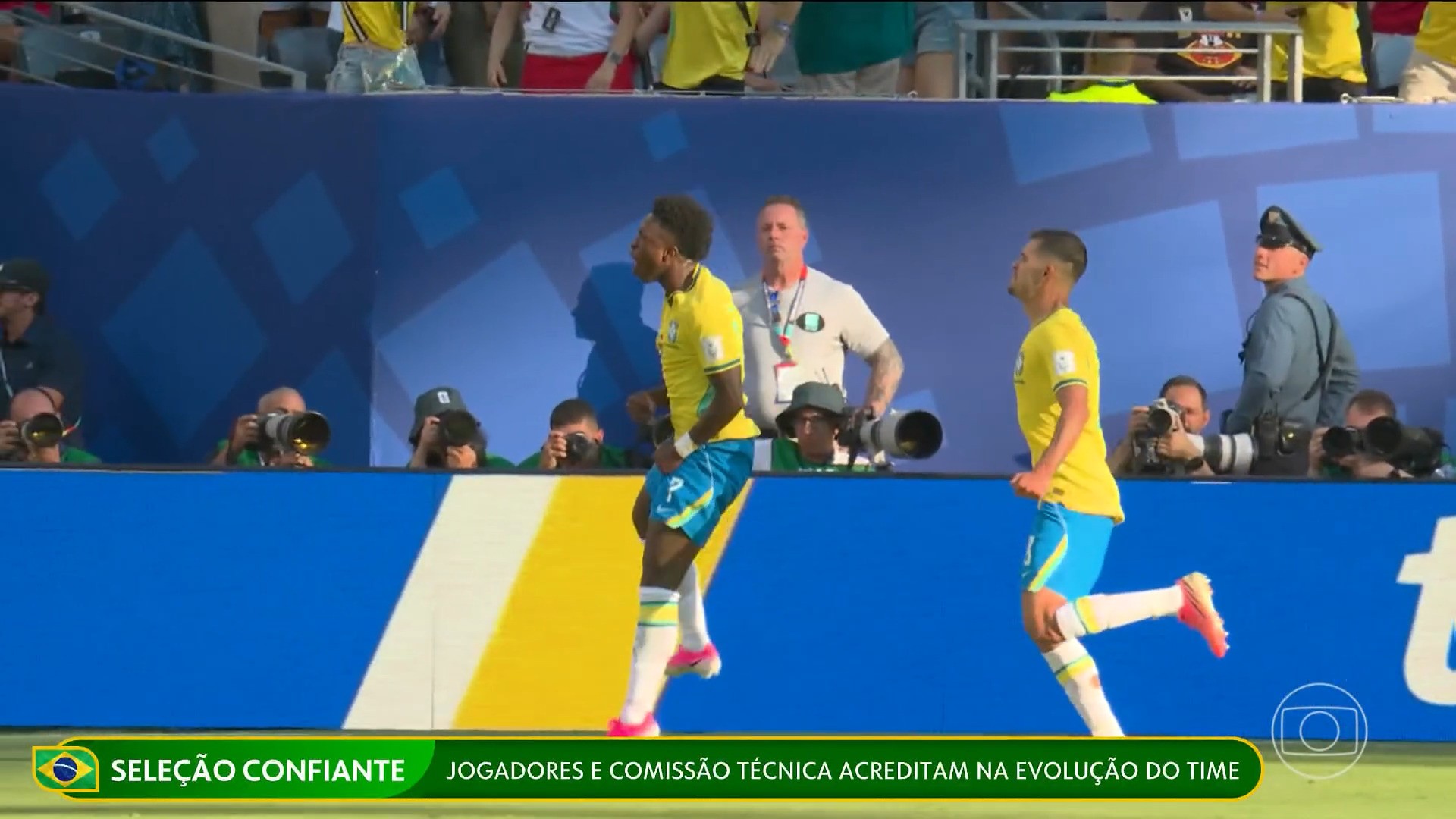
Following a period of significant instability marked by frequent coaching changes and inconsistent results, the Brazilian national football team has arrived at the decisive stages of the 2026 World Cup with a newfound sense of evolution. Between 2023 and the tournament's start, the team cycled through four different head coaches and called up 96 distinct players, reflecting a persistent search for solutions to a string of defeats and draws. However, the team's trajectory has shifted dramatically during the World Cup itself. After years of fluctuating performance, Brazil has demonstrated a noticeable, gradual improvement in each match, accumulating one draw and three victories with a steadily increasing performance level. Defender Marquinhos credited coach Carlo Ancelotti's strategic changes for enhancing player capabilities, stating that the coach's intelligence allowed him to maximize the potential of his squad. The team's development is starkly visible when comparing early performances to recent games, with an internal assessment suggesting a significant leap in performance from the Morocco match to the Japan duel, making the team appear entirely transformed. Despite this progress, Ancelotti remains cautious, emphasizing that the team has not yet reached its ideal level and must continue to develop throughout the competition. He stressed the importance of avoiding complacency and maintaining a drive for higher performance. Marquinhos echoed this sentiment, acknowledging the immense challenge ahead and advocating for a humble approach, focusing on incremental progress and unwavering belief in their work and potential.
The Brazilian national team's journey through the 2026 World Cup illustrates a common dynamic in elite sports: the tension between immediate results and long-term strategic development. The extensive turnover in coaching staff and player selection prior to the tournament suggests a system grappling with identity and performance optimization, potentially driven by external pressures for success. Coach Ancelotti's reported ability to refine player roles indicates a successful adaptation to the current squad's strengths, a critical factor in tournament play where cohesion is paramount. However, the coach's own caution against complacency highlights the inherent challenge of sustaining peak performance under intense global scrutiny. Looking ahead, the team's ability to institutionalize this adaptive coaching approach, rather than relying on individual managerial brilliance, will be key to its sustained success in an era increasingly defined by data-driven analytics and rapid tactical evolution in global football.
AI-generated to prompt reflection — not editorial opinion, not advice, not a statement of fact. How this works.