Brazil's National Health Survey 2026 Begins Training for IBGE Interviewers
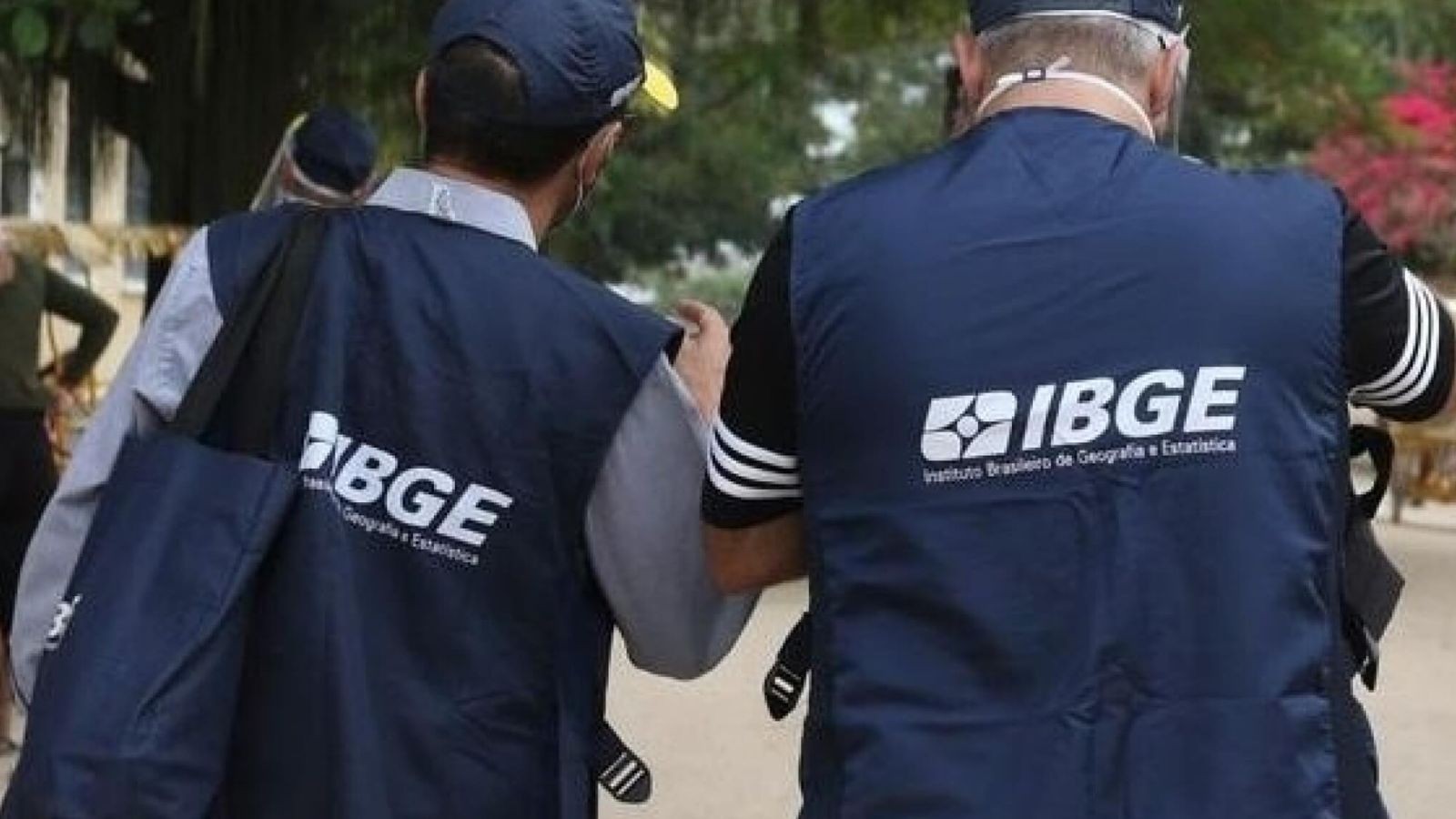
The Brazilian Institute of Geography and Statistics (IBGE) has commenced training for its teams in Santarém, Pará, who will conduct the third edition of the National Health Survey (PNS 2026). This significant survey, a collaboration with the Ministry of Health, is set to begin data collection on Monday, May 13th. The PNS 2026 aims to survey approximately 140,000 households across all Brazilian states by the end of the year, employing around 1,800 interviewers nationwide. The primary objective is to gather comprehensive information on the population's health conditions, access to and utilization of healthcare services, and to monitor risk factors impacting quality of life. Interviewers will administer questionnaires covering household characteristics and resident profiles, followed by an individual questionnaire for residents aged 15 and over. Topics include chronic non-communicable diseases, women's health, elderly health, oral health, mental health, physical activity, diet, smoking, accidents, violence, communicable diseases, disability, health insurance coverage, and healthcare service usage. The IBGE emphasizes the critical importance of public participation, as each selected household serves as a representative sample for similar residences, ensuring the survey's findings accurately reflect national reality. Interviewers will be clearly identifiable via official badges, uniforms, and electronic data collection devices, with their identities verifiable through the IBGE website or a toll-free number.
This national health survey represents a crucial effort by the IBGE and Ministry of Health to establish a detailed baseline of public health in Brazil. By systematically collecting data on a wide array of health indicators, risk factors, and healthcare access, the survey aims to inform evidence-based policymaking and resource allocation. The large-scale, nationwide scope, involving 1,800 interviewers and 140,000 households, underscores the ambition to capture a representative picture of the population's well-being. The initiative's success hinges on public trust and participation, necessitating clear communication regarding interviewer identification and the survey's purpose. In the context of an increasingly data-driven world and the evolving landscape of public health challenges, such comprehensive surveys are vital for tracking progress, identifying emerging issues, and ensuring equitable health outcomes across diverse demographics over the next decade.
AI-generated to prompt reflection — not editorial opinion, not advice, not a statement of fact. How this works.