Brazil's National Health Survey reaches Várzea Grande residents
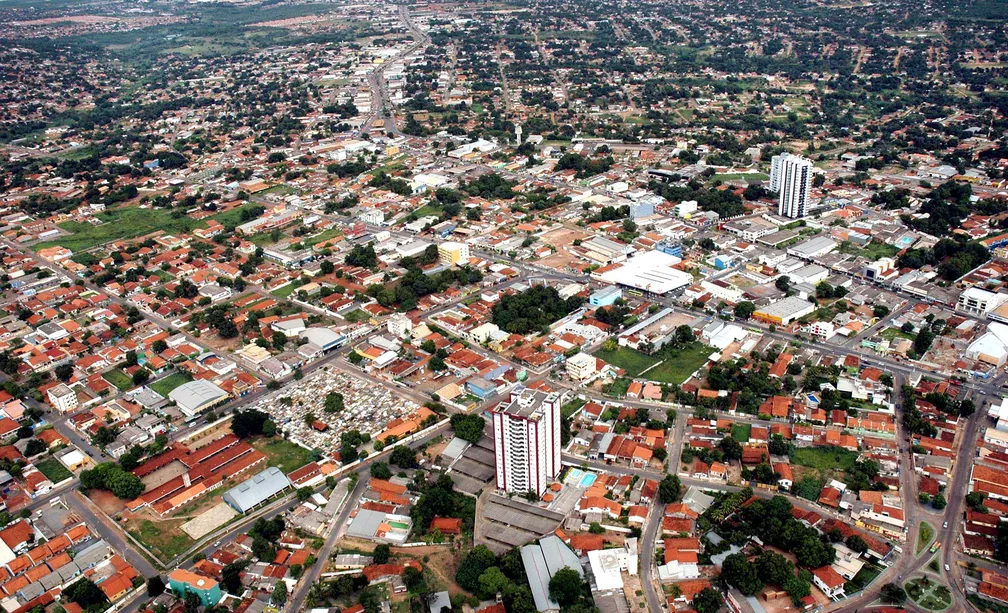
Residents in Várzea Grande, part of the Cuiabá metropolitan region, began receiving visits from interviewers of the Brazilian Institute of Geography and Statistics (IBGE) on July 6th. These visits are part of the National Health Survey (PNS), a comprehensive study aiming to map the health conditions of the Brazilian population. The survey, conducted in partnership with the Ministry of Health, is in its third edition and will continue until November 30th. Initially, interviewers will gather general information about all household members. Subsequently, one randomly selected individual will answer more detailed questions about their health status and lifestyle habits. This phase also includes measurements of blood pressure, weight, and height. A new addition to this edition allows for a third stage where a resident aged 35 or older may be invited to provide blood and urine samples, with prior authorization. These tests, performed at home by FEB Saúde in collaboration with the IBGE team, will analyze various health indicators, including cholesterol, blood sugar, kidney function, and the presence of heavy metals. Participants will receive online access to their results and can consult local health units if any abnormalities are detected. To prevent fraud, the IBGE advises residents to verify interviewers' identities via official IBGE vests, photo ID badges, and by checking their credentials on the IBGE website. The collected data is crucial for public policy development, disease prevention strategies, and strengthening Brazil's Unified Health System (SUS). Participation is voluntary but essential for the survey's accuracy.
The National Health Survey represents a significant governmental effort to gather granular data on public health, crucial for evidence-based policy formulation within Brazil's Unified Health System. By incorporating objective health metrics and biological samples, the survey moves beyond self-reported data, offering a more robust understanding of population health trends. The inclusion of advanced diagnostics like heavy metal analysis highlights a forward-looking approach to identifying environmental health risks. Ensuring data integrity through clear identification protocols for interviewers is paramount, mitigating potential misuse of public trust. The voluntary nature of participation, while democratically sound, presents an ongoing challenge for achieving representative sample sizes, a common hurdle in large-scale epidemiological studies. Future iterations might explore incentives or digital engagement strategies to bolster participation rates and data completeness.
AI-generated to prompt reflection — not editorial opinion, not advice, not a statement of fact. How this works.