Brazil's Pantanal and Amazon Face Irreversible Climate Tipping Points, Experts Warn
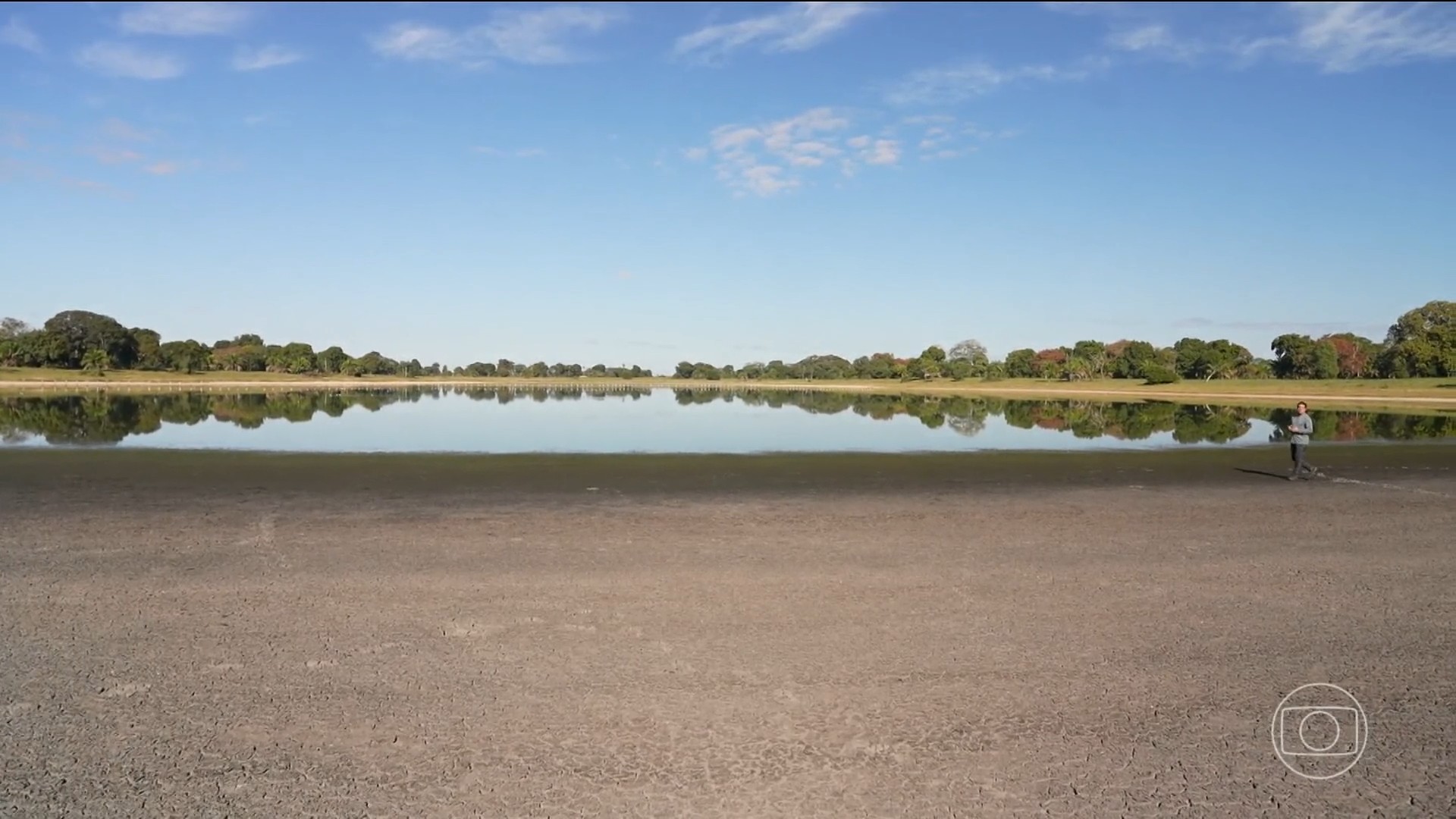
Brazil's vital Pantanal and Amazon biomes are showing signs of approaching irreversible "tipping points" due to the escalating climate crisis. In the Pantanal, prolonged dry seasons are severely reducing water availability, forcing ranchers with approximately 4 million cattle to seek alternatives for their herds. Many are drilling more solar-powered wells to access groundwater, as the increased distances to water sources cause significant stress on the animals. Satellite data from the past year revealed water coverage in the Pantanal was 56% below its historical average, a unique situation among Brazilian biomes. This water scarcity also impacts wildlife, with species like the capybara becoming more nocturnal and giant otters facing habitat loss as water bodies shrink. The region also experienced a record number of wildfires in 2024, exacerbated by drier conditions. Scientists are also concerned about the Amazon potentially reaching a similar tipping point, where increased temperatures and reduced rainfall could transform the rainforest into a drier, savanna-like environment. Research involving experiments that halve water reaching the soil simulates extreme drought conditions to study the forest's vital signs, including water content in soil and trees, and sap flow. Experts like climatologist Tasso Azevedo emphasize that a tipping point means an ecosystem can no longer recover, even if human impacts are reduced. He noted the Pantanal's reliance on moisture from the Amazon's "flying rivers" means its fate is intertwined with the Amazon's health. Climatologist Carlos Nobre suggests that 20-25% deforestation combined with 2 degrees Celsius of global warming could make maintaining the Amazon impossible. Researchers stress that urgent measures, including drastically reducing fossil fuel emissions and halting deforestation, are crucial to mitigate the risk of collapse.
The reporting highlights a critical juncture for Brazil's major biomes, framing them as potentially reaching irreversible climate tipping points. This perspective underscores the interconnectedness of ecosystems, suggesting that the degradation of one, like the Amazon, directly impacts another, the Pantanal, through atmospheric moisture transport. The analysis of animal behavior changes and increased wildfire frequency points to systemic stress responses within these environments. The proposed solutions focus on macro-level policy interventions: rapid fossil fuel emission reduction and zero deforestation. These actions address the root causes of climate change and habitat loss, framing the issue as a global responsibility with significant local consequences. The long-term implications suggest a future where unchecked climate change could fundamentally alter these iconic landscapes, impacting biodiversity, economic activities, and regional climate patterns.
AI-generated to prompt reflection — not editorial opinion, not advice, not a statement of fact. How this works.