Brazil's PIX Payment System Sparks Trade Dispute with the US
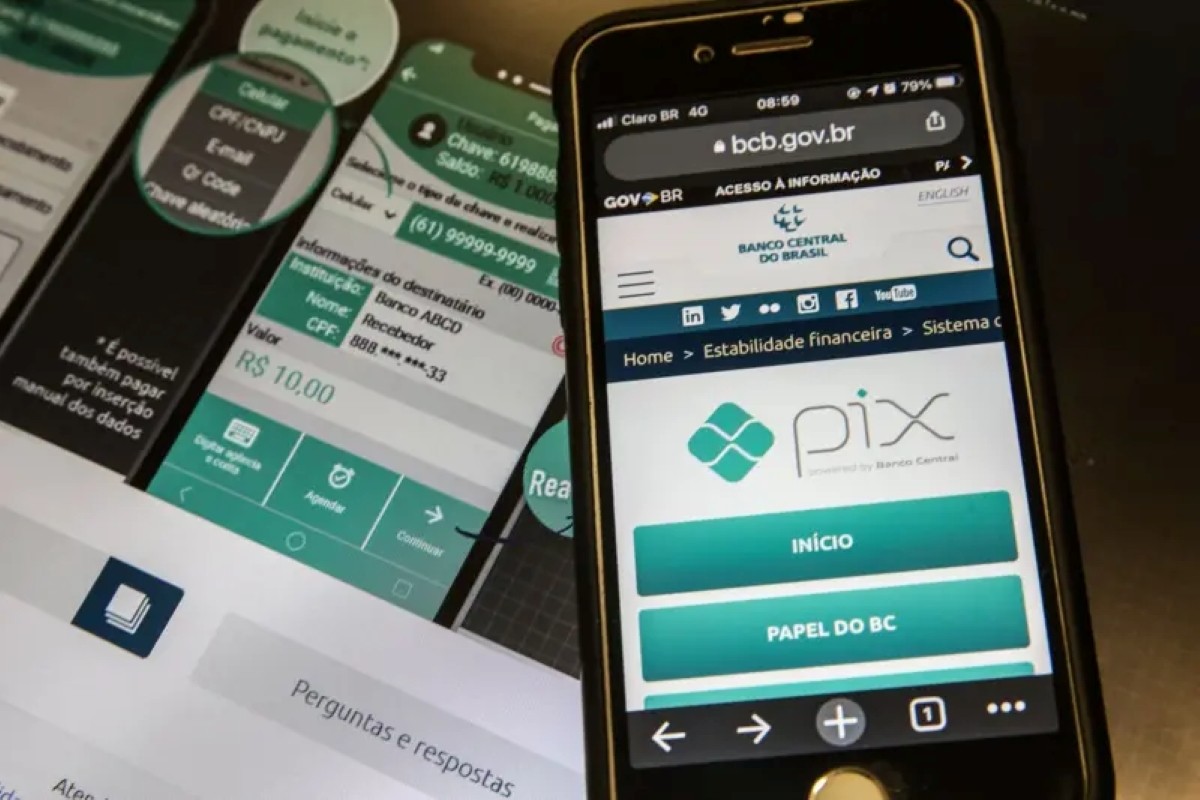
Brazil's popular PIX instant payment system, launched in 2020 by the Central Bank, has become a significant point of contention in a trade dispute between Brazil and the United States. Initially designed for quick money transfers, PIX has rapidly become the dominant payment method in Brazil, accounting for 54% of all transactions. The system is lauded for its accessibility, with approximately 80% of the Brazilian population using it for various payments, from small purchases to real estate transactions. Users appreciate that PIX is free, unlike credit cards which incur fees and annual charges, making it particularly beneficial for informal workers and small businesses.
The US, under the Trump administration, accuses Brazil of favoring a state-run payment system and disadvantaging American companies, especially credit card operators. Washington argues that the Central Bank's dual role as operator and regulator of PIX creates a conflict of interest and puts foreign firms at a competitive disadvantage. The US Trade Representative (USTR) office claims that Brazilian banks are mandated to prominently feature PIX on their app homepages and are prohibited from charging users for the service, which the USTR deems "unfair." This has reportedly led to a decrease in credit card transaction market share in Brazil from 23% to 15% since PIX's inception.
In response, the Brazilian government rejects these accusations, asserting that PIX has expanded the digital payment market and benefited American companies like Google and Visa. Brazil also points out that credit card usage has continued to grow. Furthermore, Brazil suggests that the US may perceive PIX and similar national instant payment systems as a potential challenge to the international dominance of the US dollar. The dispute is occurring amidst heightened political tensions between the two countries, with Brazil's presidential elections approaching and the USTR considering imposing a 25% tariff on certain Brazilian exports.
The trade dispute surrounding Brazil's PIX payment system highlights the complex interplay between national technological sovereignty, market competition, and international trade dynamics. The US perspective, focused on perceived unfair advantages for a state-backed system, reflects concerns about market access and the potential for digital payment infrastructure to become a geopolitical tool. Brazil's defense emphasizes financial inclusion and market expansion, suggesting that PIX's success is a natural market evolution rather than a deliberate exclusion of foreign competitors. The situation underscores a broader global trend where nations are developing independent digital payment infrastructures, potentially challenging established international financial systems and the dominance of the US dollar. Future trade negotiations will likely need to balance national development goals with principles of fair competition and open markets, especially as digital economies continue to evolve.
AI-generated to prompt reflection — not editorial opinion, not advice, not a statement of fact. How this works.