Brazil's Pizza Boom: More Pizzerias Open, But Affordability Declines
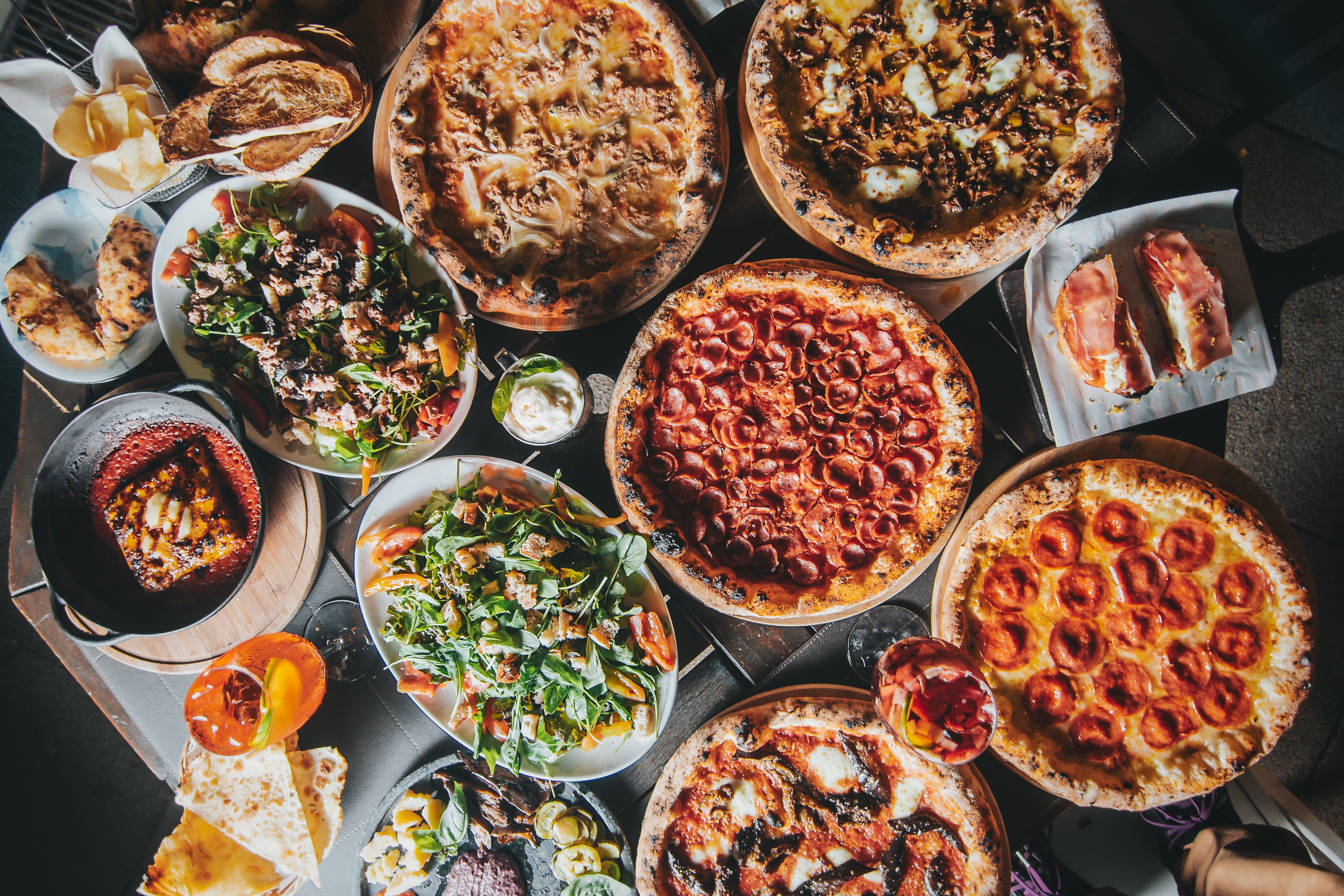
On Pizza Day, Brazil celebrates a thriving pizza industry with an average of 13 new pizzerias opening daily and the lowest closure rate in a decade. However, this expansion contrasts sharply with a declining affordability for many families, as purchasing a pizza increasingly strains household budgets. A study by São Paulo's Fatec, the "Mozzarella Index," reveals this trend. In 2021, half of São Paulo's districts could afford at least 131 pizzas monthly with their average family income; by 2025, this median dropped to 120 pizzas. The index, inspired by the Big Mac Index, calculates how many classic mozzarella pizzas an average family income can buy in different city districts, reflecting local prices.
The rising cost of pizza is attributed to increased ingredient prices, particularly mozzarella, which saw a nearly 40% surge between 2021 and 2025. This price hike outpaced wage growth, exacerbating budget pressures, especially for lower-income families. Significant disparities exist across São Paulo's districts, with average incomes in Alto de Pinheiros allowing for 313 pizzas monthly, while Anhanguera residents can afford only 73. Price variations are also notable, with pizzas in affluent areas like Pinheiros averaging R$102.59, compared to R$39.74 in areas like Pedreira.
Despite affordability challenges, the pizzeria sector has expanded significantly, reaching its largest size in 2025 with 40,332 active establishments. This growth is driven by new entrepreneurs and a consistent expansion rate, even amidst economic difficulties. The expansion is also diversifying geographically, with a growing number of new pizzerias opening outside São Paulo state, particularly in the North and Northeast regions. Industry leaders anticipate continued growth, emphasizing increased professionalization, efficient management, and deep market knowledge as crucial for future success and operational consolidation.
The Brazilian pizza market presents a fascinating dichotomy between entrepreneurial expansion and consumer affordability. While the surge in new pizzerias and a decrease in closures suggest a robust and attractive sector for investment, the declining purchasing power for a significant portion of the population highlights the widening gap between economic growth and household real incomes. This trend indicates that while the supply side of the market is responding to opportunities, the demand side is increasingly constrained by inflation and stagnant wages. The geographical diversification of new openings, moving beyond traditional hubs, suggests a maturing market seeking new consumer bases, but success will likely depend on adapting business models to varying local economic conditions and consumer capacities. Future market dynamics may see increased segmentation, with premium offerings in affluent areas and value-focused strategies in less affluent regions, driven by evolving consumer spending habits and the persistent challenge of input cost volatility.
AI-generated to prompt reflection — not editorial opinion, not advice, not a statement of fact. How this works.