Brazil's Pizza Boom: Over 40,000 Pizzerias Open, One Every Two Hours
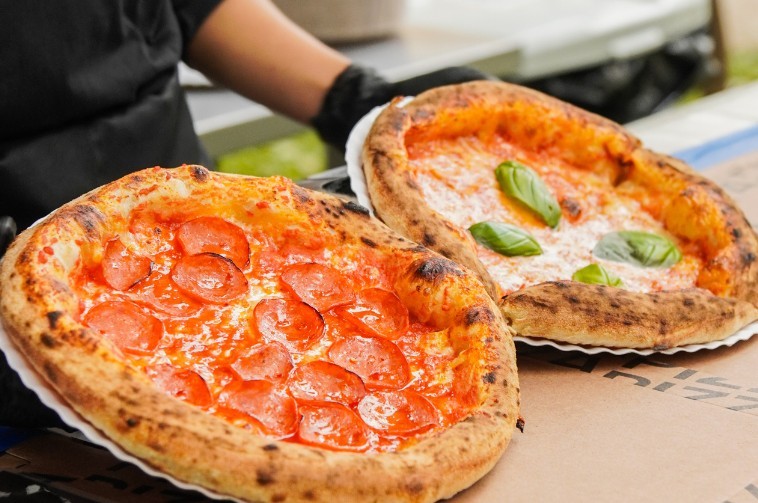
Brazil's love affair with pizza continues to grow, with the country producing approximately 2.78 million pizzas daily, equating to nearly 116,000 pizzas per hour. Delivery services are also experiencing a surge; in the first half of 2026, iFood recorded 50 million pizza orders, averaging 195 orders per minute. This robust consumption is fueling business growth, with the United Pizzarias Association of Brazil (Apubra) reporting the opening of 1,990 new pizzerias between January and May of 2026, which translates to a new establishment opening every two hours. Pizza consumption remains strongly tied to leisure, with 62% of iFood orders placed between Friday and Sunday, and Saturday accounting for over 21% of the weekly demand. The way Brazilians consume pizza has evolved, with customization now prevalent; approximately 80% of pizzas sold on iFood are either half-and-half or custom-made. While calabresa remains the top flavor, consumer preferences are shifting. Recent iFood data for the first half of 2026 shows chicken with creamy requeijão and Margherita as the second and third most popular, respectively, with mozzarella and Portuguese rounding out the top five. Apubra data from 2024 indicated mozzarella in second place, followed by Portuguese and Margherita. The number of new pizzerias opened in the first five months of 2026 increased by 6.1% compared to the same period in 2025. Currently, Brazil hosts over 40,000 operational pizzerias, with São Paulo accounting for 32% of these establishments, followed by Minas Gerais at 8.71%. Apubra's analysis, which includes micro and small businesses but excludes individual micro-entrepreneurs, also indicates sector maturity with a decrease in pizzerias closing, reaching the lowest inactive index in a decade. This trend is expected to continue, fostering sustained growth and wider distribution across the country, enhancing professionalism and competitiveness. Gustavo Cardamoni, president of Apubra, highlighted that the consistent expansion and opening of new businesses demonstrate ongoing entrepreneurial confidence despite economic challenges. Notably, while São Paulo leads in delivery volume, the most significant growth in pizza orders is occurring in the North and Northeast regions, with Amazonas seeing a 31% increase in the first half of 2026, followed by Pará and Ceará with 19% growth each. In the supermarket and wholesale sector via apps, consumers tend to buy two pizzas per order, a habit linked to stocking up, with mozzarella being the preferred flavor and over 40% of these purchases occurring during lunchtime.
The sustained growth in Brazil's pizza industry, marked by a high rate of new business openings and increasing delivery orders, reflects strong consumer demand and resilient entrepreneurial activity even amidst economic headwinds. The shift towards customized and half-and-half pizzas indicates a maturing market that is responding to evolving consumer preferences for personalization. While traditional flavors like calabresa maintain popularity, the rise of other options suggests a diversification of taste. The geographic expansion of consumption, particularly in the North and Northeast regions, points to market saturation in traditional hubs and the emergence of new growth frontiers. This trend, coupled with a reduction in business closures, signals a system-wide maturation, potentially leading to increased competition and a more professionalized sector. Future developments may involve further innovation in offerings, supply chain optimization to support wider distribution, and strategic adaptation to regional taste profiles.
AI-generated to prompt reflection — not editorial opinion, not advice, not a statement of fact. How this works.