Brazil's PL Party Chief Valdemar Costa Neto Suspected of Embezzlement Scheme
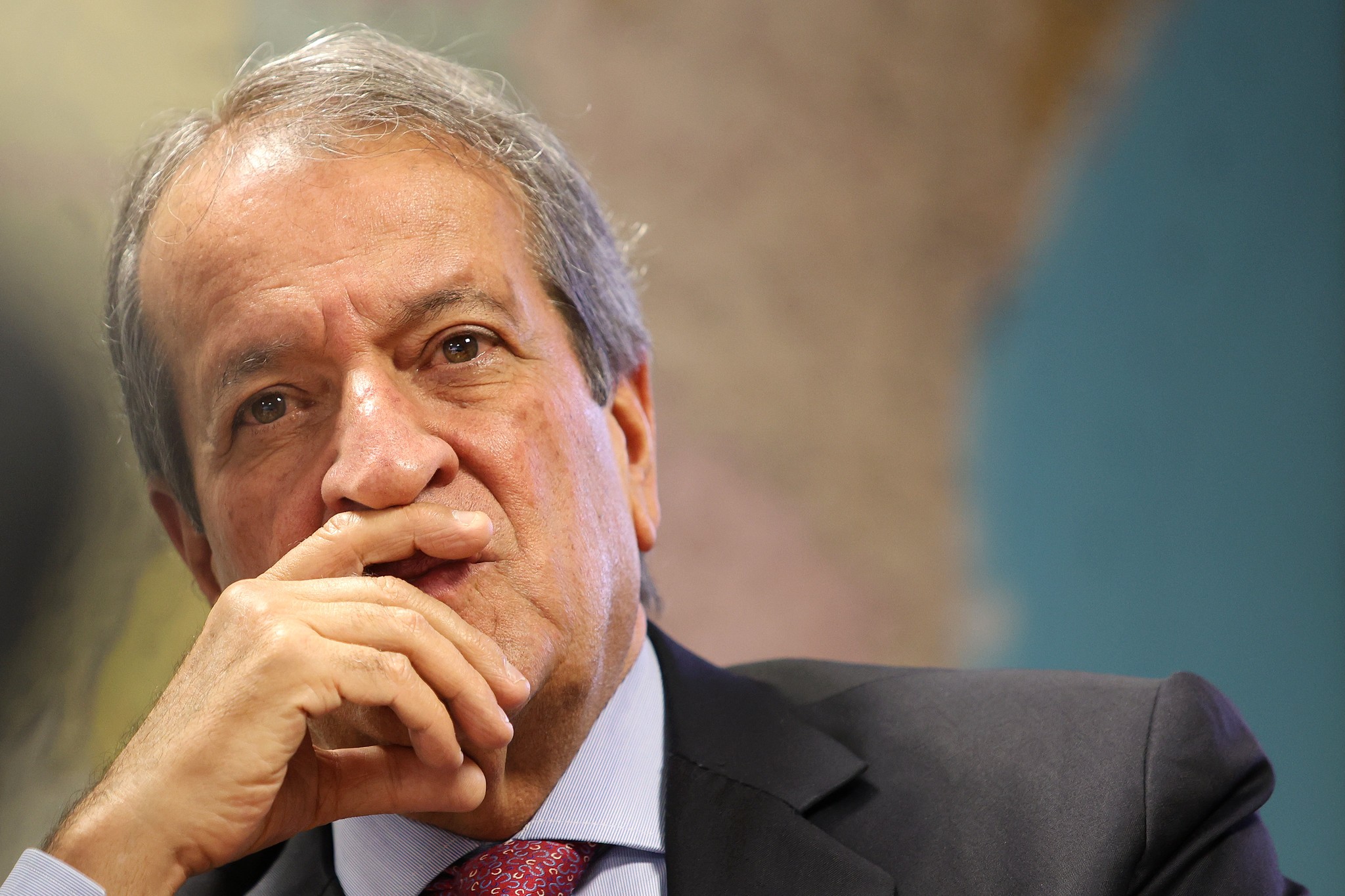
Valdemar Costa Neto, the national president of Brazil's Liberal Party (PL), is under investigation for alleged embezzlement and criminal association, according to a judicial decision by Supreme Federal Court (STF) Minister Flávio Dino. The probe, part of "Operation Transparency," centers on a scheme to divert public funds through parliamentary amendments. Minister Dino has ordered the suspension of R$ 119 million in amendments as the Federal Police (PF) detailed their findings regarding Costa Neto's alleged involvement. Investigators found evidence that Costa Neto, despite lacking a parliamentary mandate, clandestinely influenced the direction of amendment funds. He allegedly used the services of Chamber of Deputies staff to allocate public funds according to his personal interests. The PF asserts that these amendments were treated as private quotas, indicating a misuse of funds for the benefit of individuals outside of parliament. It is estimated that Costa Neto diverted at least 21 amendments, totaling approximately R$ 119 million in commitments or payments. Regarding the criminal association charge, the PF hypothesizes that Costa Neto formed a continuous partnership between June 2024 and March 2026 with three Chamber of Deputies employees: Mariângela Fialek, Nara Benedetti Nicolau Brum, and Garigham Amarante Pinto. Investigators believe they created an informal functional arrangement where the employees acted as intermediaries for Costa Neto's directives, arranging meetings, processing clandestine spreadsheets, and actively reallocating amendments to facilitate and conceal embezzlement within the legislative body.
This investigation into Valdemar Costa Neto's alleged misuse of parliamentary amendments highlights potential systemic vulnerabilities in public fund allocation processes. The PF's findings suggest that informal networks and the leveraging of staff services can circumvent established oversight mechanisms, treating public funds as private assets. Such arrangements, if proven, indicate a governance challenge where personal interests may supersede public duty, potentially undermining trust in legislative integrity. Future reforms could focus on enhancing transparency in amendment allocation, strengthening independent audits, and clarifying the roles and responsibilities of parliamentary staff to mitigate risks of illicit diversion and ensure accountability in the use of taxpayer money.
AI-generated to prompt reflection — not editorial opinion, not advice, not a statement of fact. How this works.