Brazil's Pre-Salt Oil Exploration Gets Major Boost from Inland Technology Center
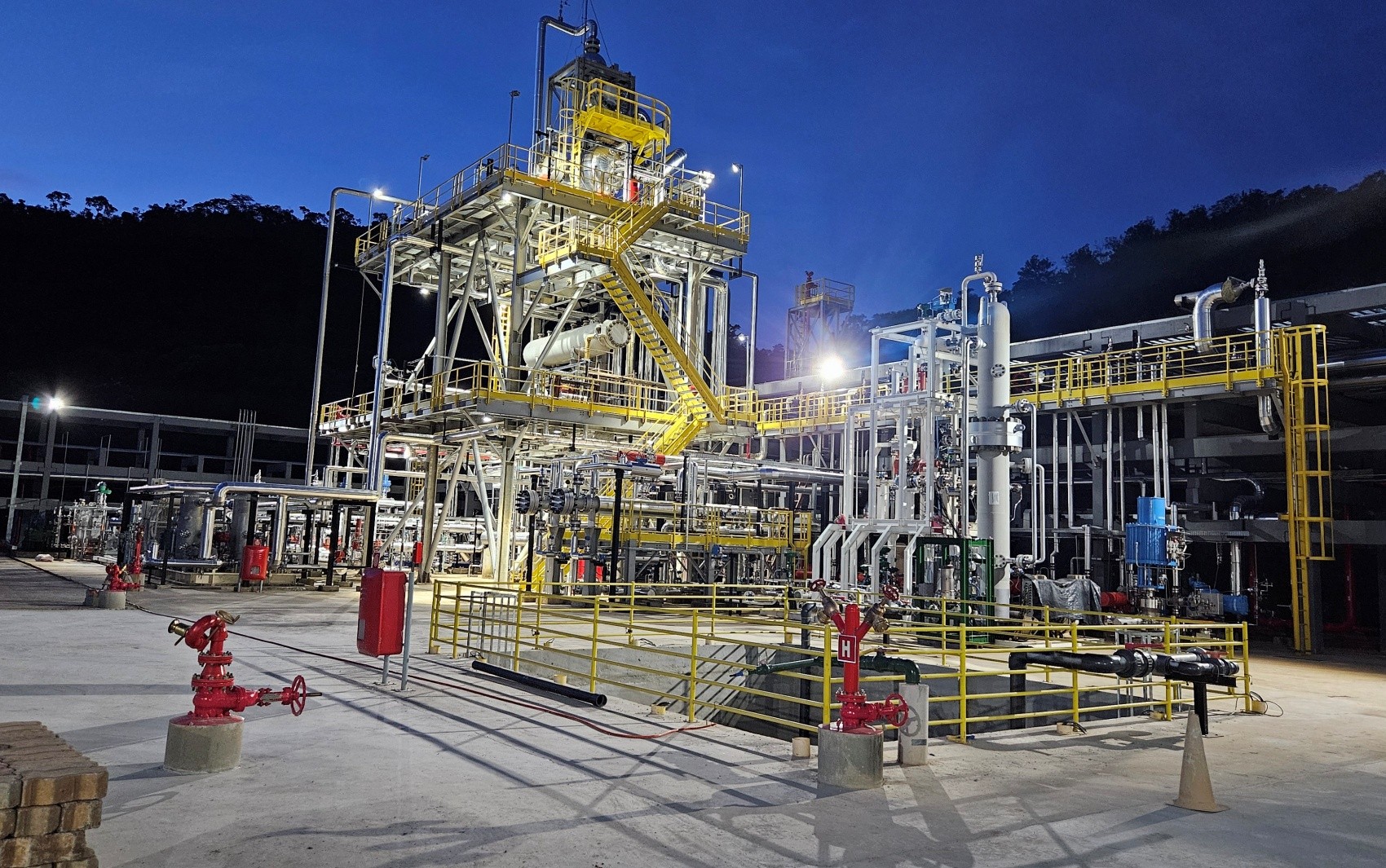
A new R$ 300 million technological center, the Centro Tecnológico para o Pré-sal Brasileiro (CTPB), has been established in Itajubá, Minas Gerais, over 400 kilometers from the coast, to test equipment for Brazil's pre-salt oil exploration. Located at the Federal University of Itajubá (Unifei), this facility is designed to simulate the extreme conditions found thousands of meters below the ocean's surface, replicating the pressure, temperature, and specific fluid compositions, including high concentrations of carbon dioxide (CO₂), characteristic of Brazilian pre-salt reservoirs. The CTPB functions as a semi-industrial scale testing ground, allowing equipment to be pushed to its operational limits in a controlled environment before deployment at sea. This approach aims to significantly reduce technical risks, accelerate the development of new technologies, and lower costs associated with offshore operations, where equipment failures can lead to substantial financial losses and production halts. Petrobras, the national oil company, considers this facility unique globally for its specific design to replicate Brazilian pre-salt conditions. The center's success is contingent on sustained investment and the practical application of its research findings. The first major project to utilize the CTPB is the HISEP (High-Pressure Subsea Separation System), a Petrobras innovation designed to perform initial separation of oil, gas, and water on the seabed. This system aims to reinject CO₂-rich gas directly into the reservoir and send only oil to the platform, potentially reducing surface equipment needs, energy consumption per barrel, and carbon emissions. The HISEP system's risk reduction phase was recognized with the ANP Technology Innovation Award in 2023. The choice of Itajubá for the CTPB is rooted in a long-standing partnership between Petrobras and Unifei, dating back over 30 years, fostering a strong local engineering and research ecosystem.
The establishment of the CTPB represents a strategic investment in de-risking complex offshore energy extraction, particularly for the pre-salt fields. By simulating extreme subsea conditions inland, Brazil aims to enhance technological self-sufficiency and operational efficiency, mitigating the substantial financial and safety risks inherent in deepwater exploration. This approach aligns with a global trend toward advanced simulation and testing to optimize capital expenditure and reduce the environmental footprint of resource extraction. The long-term viability of such centers will likely depend on their ability to foster a robust ecosystem of innovation, attract sustained funding, and translate research into commercially viable technologies that can compete in a rapidly evolving global energy market, while also considering the accelerating transition towards lower-carbon energy sources.
AI-generated to prompt reflection — not editorial opinion, not advice, not a statement of fact. How this works.