Brazil's President Criticizes US Strait of Hormuz Toll Plan
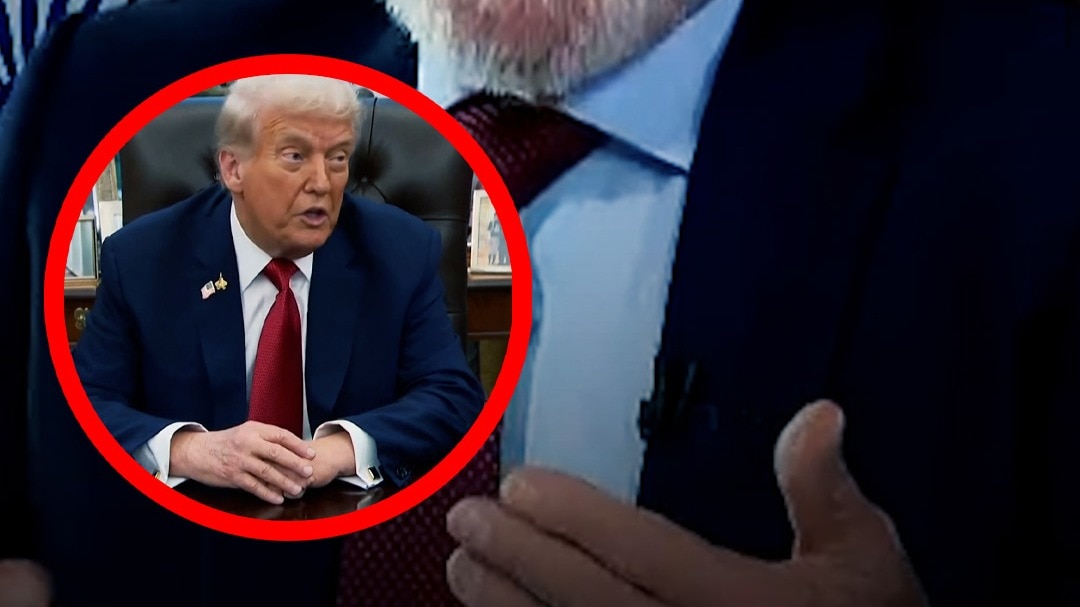
Brazil's President has sharply criticized a US proposal to impose heavy tolls on ships transiting the Strait of Hormuz. The President stated that this idea has ignited an international debate and deemed the proposal unfair. He further articulated that no single country can claim dominion over global maritime routes. This stance from Brazil's leader signals potential international opposition to unilateral actions affecting vital shipping lanes. The debate highlights ongoing tensions regarding international waters and trade access. The specific details of the proposed tolls and the exact nature of the US's claim were not provided in the original report. However, the Brazilian President's strong reaction suggests significant concerns about the implications for global trade and freedom of navigation. This development underscores the complexities of international maritime law and the assertion of national interests in shared waterways.
The US proposal to levy tolls on ships passing through the Strait of Hormuz, a critical global chokepoint, raises questions about international maritime governance. Such unilateral actions could disrupt established norms of freedom of navigation and potentially lead to retaliatory measures or increased shipping costs globally. The Brazilian President's reaction reflects a broader concern among nations about the potential for powerful states to exert undue influence over international commons. Future geopolitical dynamics may see increased friction over control and access to vital trade routes, necessitating robust multilateral frameworks to manage such resources equitably and sustainably. This event underscores the need for international cooperation in managing critical global infrastructure, rather than unilateral assertions of control.
AI-generated to prompt reflection — not editorial opinion, not advice, not a statement of fact. How this works.