Brazil's President Lula Confirms Re-election Bid, Navigating Campaign Rules
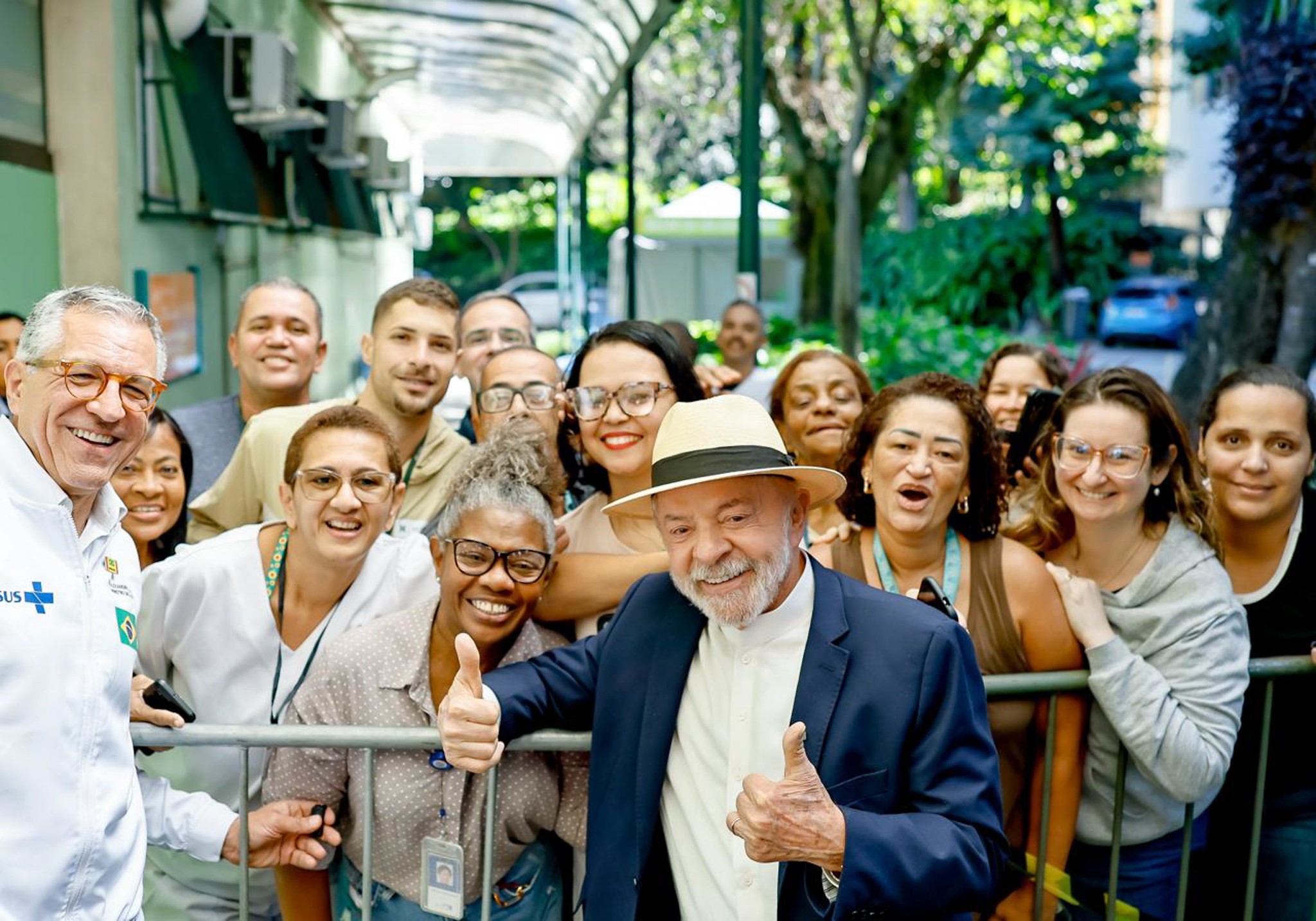
President Luiz Inácio Lula da Silva, representing the Workers' Party (PT), has officially announced his candidacy for re-election as President of Brazil. The announcement was made on Sunday, April 2nd, during the party's national convention held in São Paulo. He will be running on the same ticket as in 2022, with Geraldo Alckmin of the Brazilian Socialist Party (PSB) as his running mate for vice president. Brazilian law mandates that parties finalize their conventions by August 5th and submit candidate registrations to the Electoral Justice system by August 15th. Electoral campaigning is permitted to commence on August 16th. The "Law of Elections" outlines specific regulations that President Lula must adhere to while continuing to serve in his current capacity. Crucially, he is not required to resign from his presidential post to run for re-election, a provision established in 1997 to allow voters to judge an incumbent's performance. However, the law strictly prohibits the use of government resources, public funds, and state employees for campaign activities, a concept known as "forbidden conduct for public agents." This has led to the recent dismissal of several trusted aides from the Presidency to join his campaign team. Furthermore, institutional advertising by public bodies is banned in the three months preceding the election, with exceptions only for urgent matters. Lula is also barred from using national radio or television broadcasts for campaign purposes, and even official government channels are restricted. The creation of new social benefit programs is also prohibited to ensure a level playing field, unless in cases of public calamity or emergency. Inaugurations of public works cannot be turned into electoral events, and candidates are forbidden from attending such openings in the three months prior to the election. While official and campaign travel are both permitted, clear financial distinctions must be maintained, with campaign expenses meticulously recorded and adhering to electoral norms. Candidates can also utilize their personal funds for their campaigns, up to 10% of the total campaign spending limit for their respective office.
President Lula's re-election bid highlights the intricate legal framework governing incumbent candidacies in Brazil. The "Law of Elections" aims to delineate the roles of "President Lula" and "Lula the candidate," primarily by restricting the use of state apparatus for electoral advantage. This separation is designed to foster a more equitable campaign environment, preventing the incumbent from leveraging their executive power to influence voter perception. The regulations on institutional advertising and the prohibition of new social programs, while seemingly restrictive, are systemic safeguards intended to mitigate undue influence. The ability for the president to remain in office while campaigning, balanced against these prohibitions, presents a continuous tension between executive continuity and electoral fairness. Future electoral reforms might explore mechanisms to further enhance transparency and reduce the inherent advantages of incumbency, ensuring that the electoral process remains robust and competitive in the digital age.
AI-generated to prompt reflection — not editorial opinion, not advice, not a statement of fact. How this works.
