Brazil's President Lula Expresses Confidence Against US Tariffs
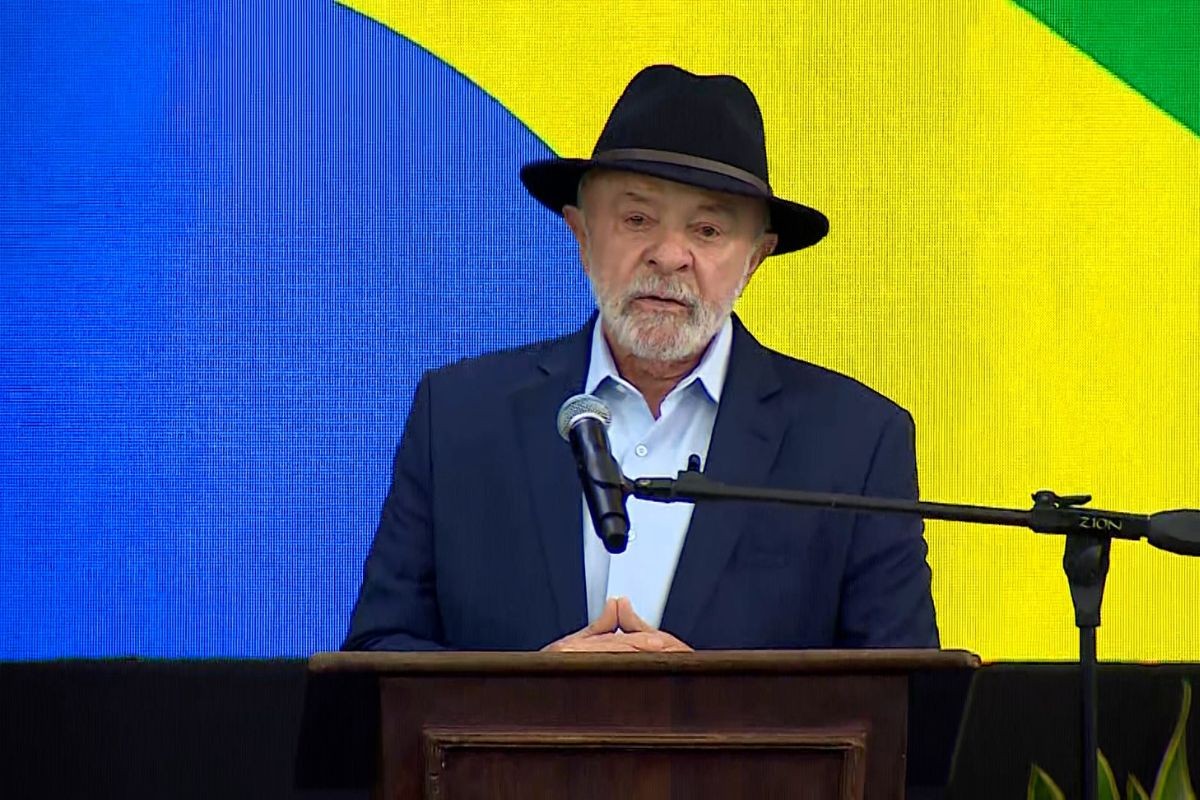
Brazilian President Luiz Inácio Lula da Silva stated on Monday, May 13th, that he does not believe there will be an increase in tariffs on Brazilian products by the United States. This statement comes during a critical week for trade relations between the two nations, with the White House expected to announce by Wednesday, May 15th, whether it will implement new tariffs of 25% and 12.5% on Brazilian goods. President Lula made these remarks to reporter João Mota of TV Vanguarda while leaving an event in São José dos Campos, São Paulo, and did not hold a press conference. The Brazilian government is awaiting the US decision to formulate a potential response. This concern about tariffs was amplified by a recent statement from US Department of Commerce representative Jamieson Greer, indicating a distance between the countries on reaching an agreement. However, Brazilian negotiators are considering the possibility that the US Department of State might modify the decision on the 25% tariff by including an expanded list of exceptions. Brazil is also anticipating a final virtual meeting with Jamieson Greer by Wednesday, where a preview of the decision is expected. During his visit to the Aerospace Science and Technology Department Campus, President Lula also toured Brazil's first power generation unit using an ethanol-powered gas turbine, developed domestically. He emphasized the importance of strengthening the defense industry and investing in the armed forces for national sovereignty, advocating for domestic processing of strategic minerals like rare earths rather than just exporting raw materials.
This situation highlights the complex interplay between national economic policies and international trade negotiations. The potential US tariffs, framed as a response to specific trade practices, could significantly impact Brazil's export sector, prompting a strategic reassessment of trade dependencies. Brazil's stance, emphasizing domestic industry and resource processing, reflects a broader trend of nations seeking greater control over their value chains in an increasingly competitive global market. The outcome will depend on the delicate balance of economic incentives, diplomatic maneuvering, and the potential for retaliatory measures, all of which will shape future trade dynamics and investment flows in the coming decade.
AI-generated to prompt reflection — not editorial opinion, not advice, not a statement of fact. How this works.