Brazil's President Lula Fined R$15,000 for Early Election Campaigning
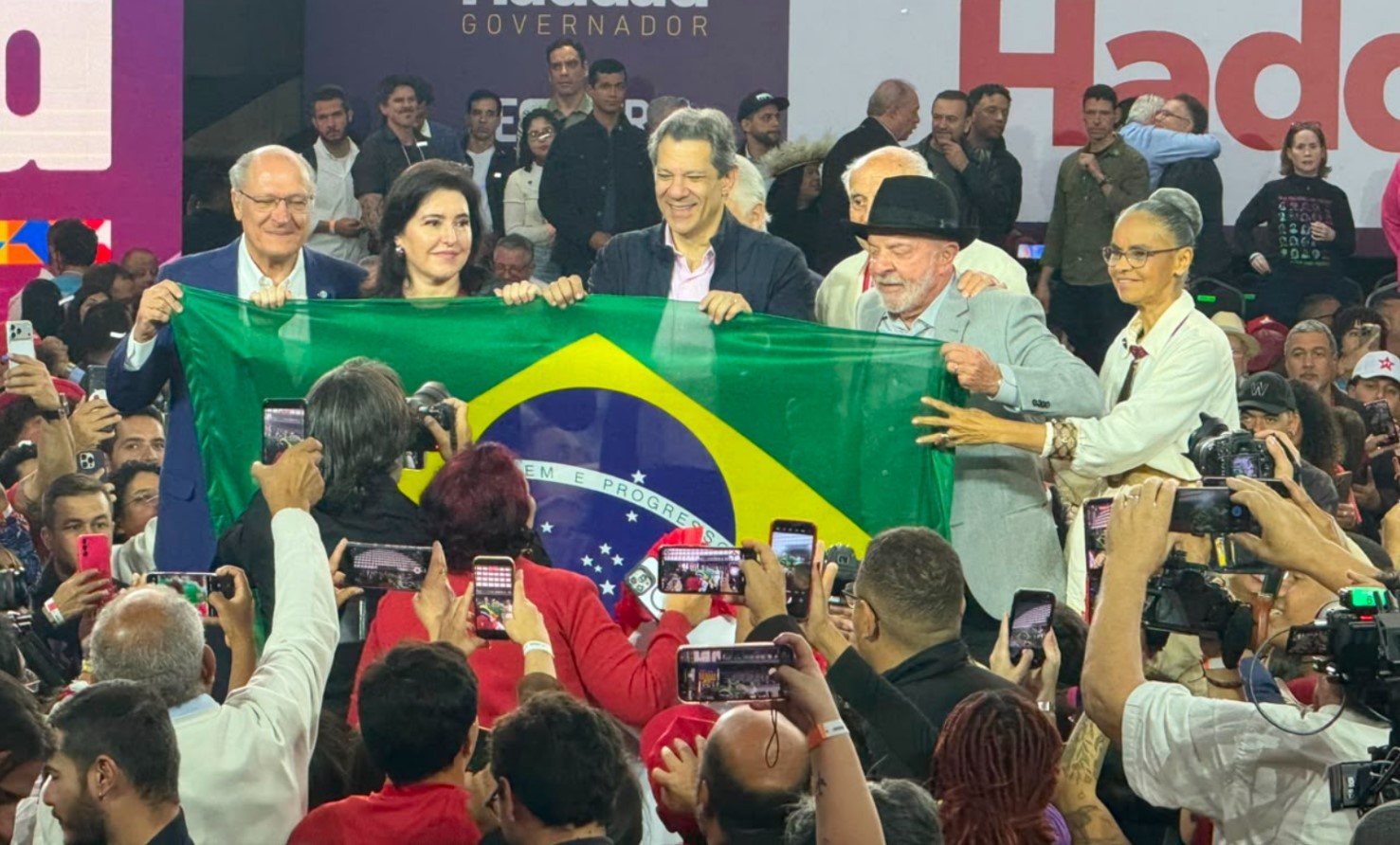
The Regional Electoral Court of São Paulo (TRE-SP) has fined President Luiz Inácio Lula da Silva R$15,000 for premature election campaigning. The ruling, issued by Judge Ronnie Herbert Barros Soares, partially granted a request from the Missão party. The party objected to statements made by Lula during an event on May 19, 2026, in São Paulo, which was live-streamed on the president's official YouTube channel. Missão alleged that Lula solicited votes for Simone Tebet and Marina Silva, former government ministers and pre-candidates for the Senate in São Paulo. The court, however, dismissed the case against Tebet and Silva, finding insufficient evidence of their prior knowledge or involvement in Lula's speech. During the May event, Lula had told attendees they could "one day" give their vote to the two former ministers. Lula's defense argued that his statement was institutional and not an explicit electoral appeal. Nevertheless, the case rapporteur, Judge Ronnie Herbert Barros Soares, deemed the phrase "give your vote to the two" an explicit and unequivocal call for electoral support, which is prohibited outside the official campaign period. The judge noted that the phrase, directed at the audience and naming the beneficiaries, carried objective electoral content, and the qualifier "one day" did not negate its directive nature. The fine was set above the minimum due to the severity of the conduct, amplified by the fact that the appeal was made by the sitting President of the Republic during an official event. In addition to the fine, TRE-SP ordered the removal of the YouTube video containing the statement. The Regional Electoral Prosecutor's Office had previously recommended punishing only Lula, absolving the ministers of responsibility.
This ruling highlights the ongoing tension between political speech and electoral regulations in Brazil. The court's decision emphasizes that even indirect or temporally distant solicitations for votes can be deemed illegal campaigning if made outside the designated period. The fine's increased amount, due to the speaker's high office, underscores the principle that public officials are held to a higher standard regarding electoral law compliance. This case serves as a reminder for all political actors, especially those in positions of power, to exercise caution in their public statements to avoid inadvertently violating campaign finance and conduct laws. Future electoral reforms might consider clearer guidelines on the boundaries of political discourse, particularly in the digital age where content can be widely disseminated and preserved.
AI-generated to prompt reflection — not editorial opinion, not advice, not a statement of fact. How this works.