Brazil's President Lula References K-Pop Dramas During South Korean President's Visit
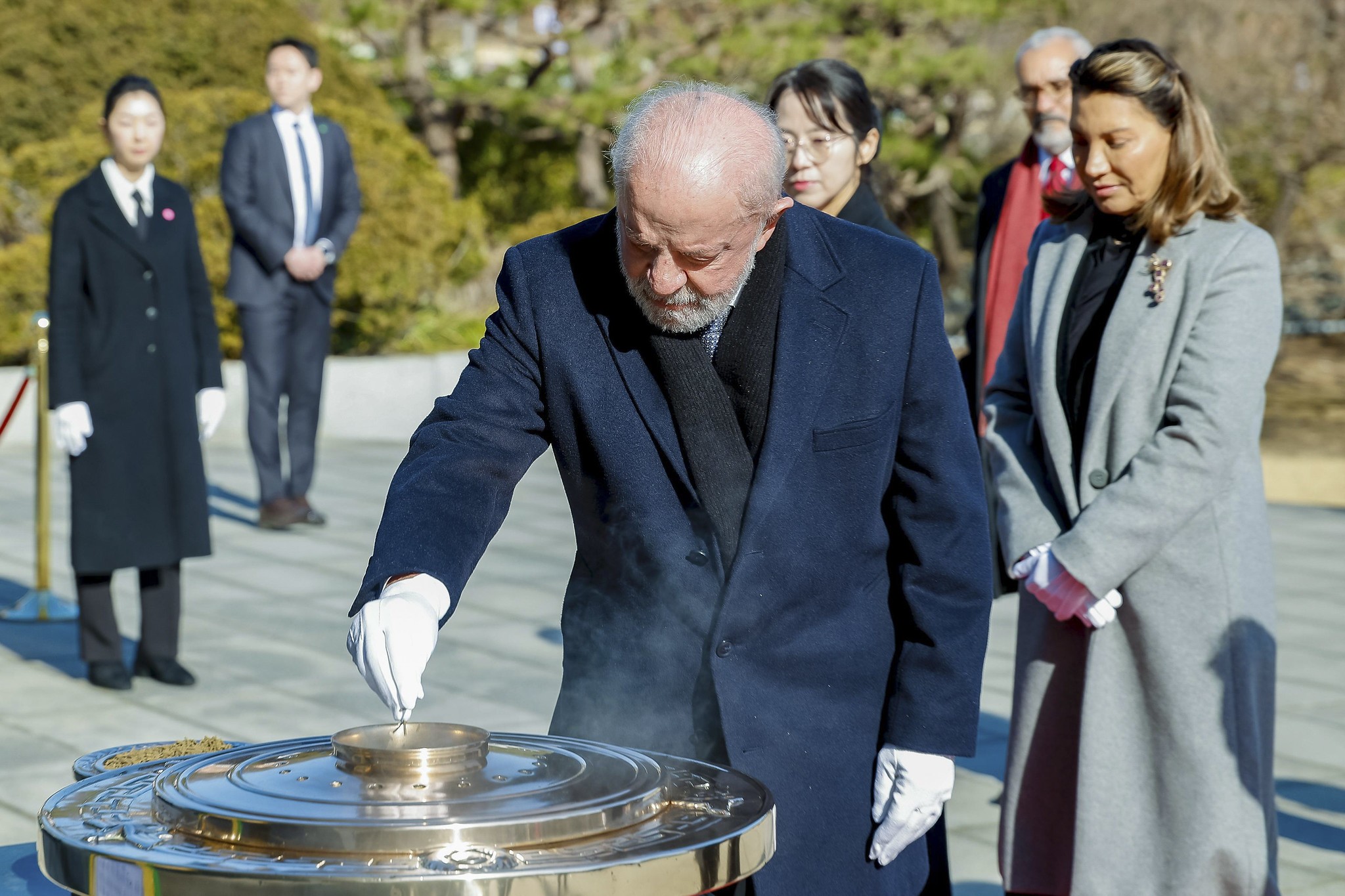
Brazilian President Luiz Inácio Lula da Silva referenced K-dramas and the animated film "Guerreiras do K-Pop" during a joint statement with South Korean President Lee Jae-myung, who is on an official visit to Brazil on Monday, April 27th. K-dramas are East Asian television series known for their dramatic and captivating plots, while "Guerreiras do K-Pop" explores South Korean pop culture and folklore. Both types of productions have gained a large and engaged audience in Brazil, largely due to the expansion of the "Korean Wave" facilitated by streaming platforms. President Lula hosted President Lee at the Palácio da Alvorada amid Brazil's efforts to expand markets and mitigate the economic impact of U.S. tariffs. This meeting follows President Lula's trip to South Korea in February, his third visit to the country, with this year's visit being the first with state visit status, signifying significant political, economic, and diplomatic importance. The South Korean First Lady is also in Brazil, with a cultural agenda planned in São Paulo, and South Korean business leaders are present for engagements with the Brazilian productive sector. Discussions are expected to focus on critical minerals and rare earths, areas where agreements were signed during Lula's February visit. Brazil also aims to increase access for its agricultural products, including beef, to the South Korean market. Further agenda items include agreements on education and cinema, and a potential trade deal between Mercosur and South Korea. The two nations already cooperate strategically in healthcare and are exploring new avenues, such as smart hospital technologies.
The Brazilian president's invocation of popular South Korean cultural exports, such as K-dramas, during a state visit highlights the growing soft power of South Korean entertainment and its potential as a diplomatic bridge. This cultural engagement can serve to foster goodwill and public interest, potentially paving the way for deeper bilateral economic and political ties. The strategic discussion of critical minerals, rare earths, and agricultural market access indicates a focus on tangible economic benefits, aiming to diversify Brazil's trade relationships and reduce reliance on specific markets. The inclusion of potential Mercosur-South Korea trade agreements suggests a broader regional economic strategy. This approach underscores a modern diplomatic playbook where cultural affinity is leveraged to advance national economic and geopolitical interests in an increasingly interconnected world.
AI-generated to prompt reflection — not editorial opinion, not advice, not a statement of fact. How this works.