Brazil's Prosecutor General Urges Federal Police to Question Senator Flávio Bolsonaro on Defamation Claims
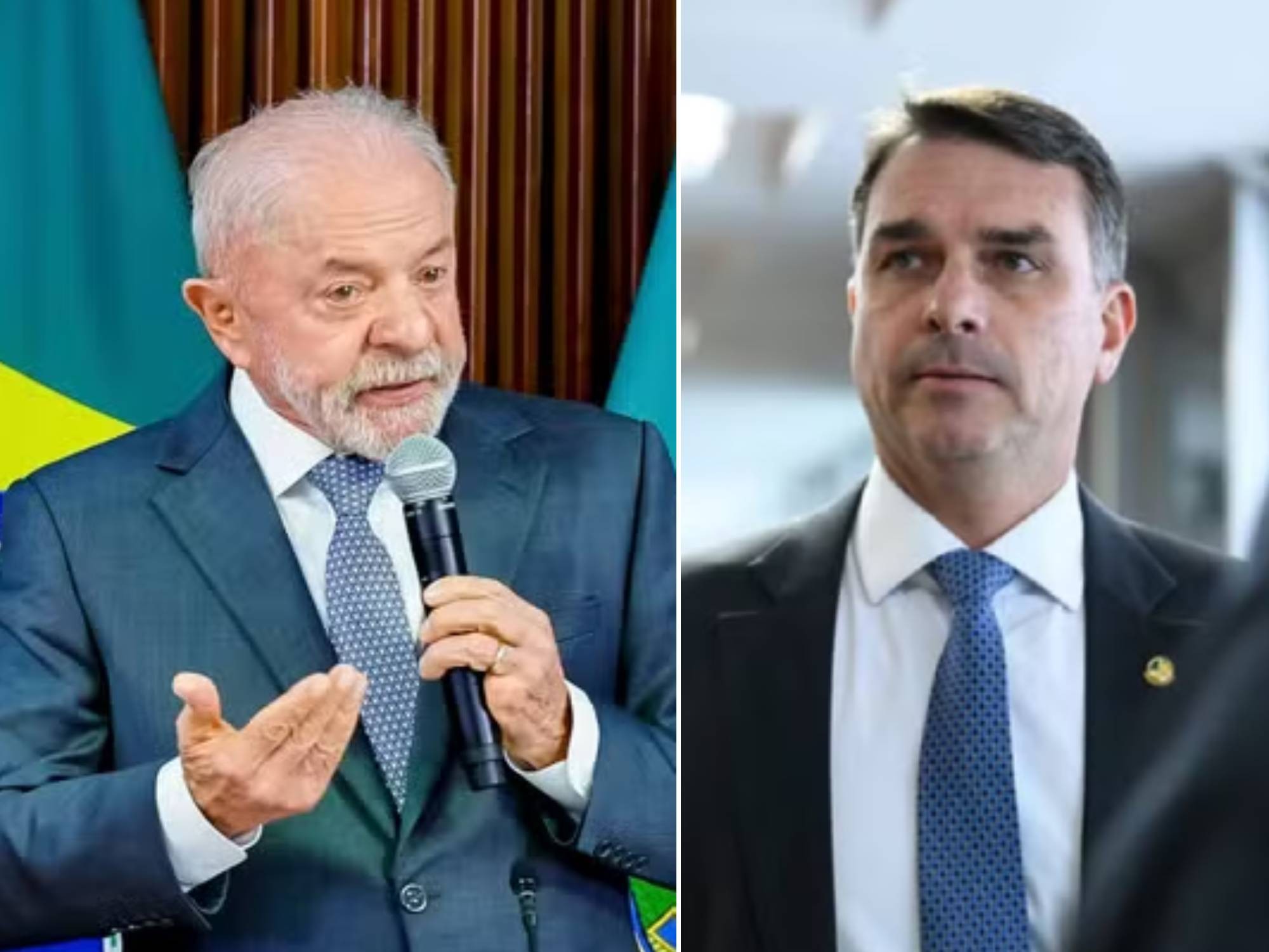
The Prosecutor General's Office (PGR) has recommended that the Federal Police (PF) question Senator Flávio Bolsonaro regarding an investigation into defamation charges against President Luiz Inácio Lula da Silva. The senator, who is also a presidential pre-candidate, allegedly posted on X on January 3, 2026, accusing President Lula of crimes including drug trafficking and money laundering. PGR chief Paulo Gonet emphasized the importance of hearing from Senator Bolsonaro, noting that a retraction could potentially absolve him of penalties. The PGR has requested the case file be returned to the PF for the senator's testimony, after which the PGR will review the investigation's conclusive report.
Previously, the PF informed the Supreme Federal Court (STF) that Senator Bolsonaro made a false accusation of a crime against Lula. The PF concluded their judicial police work, stating that Senator Flávio Nantes Bolsonaro committed the crime of defamation, as defined by the Penal Code. In April 2026, STF Minister Alexandre de Moraes initiated an investigation into the senator's post, following a PF request and a favorable PGR opinion. The PF's report was then sent to the PGR for analysis after the PF requested the STF take necessary action. The senator's post also linked President Lula's image with that of Venezuela's President Nicolás Maduro, who was accused by the U.S. of drug trafficking, suggesting Lula would be implicated in a similar denunciation.
This case highlights the complex interplay between political discourse and legal accountability in Brazil. The PGR's insistence on questioning Senator Bolsonaro, despite the PF's conclusion, suggests a procedural emphasis on affording the accused a full opportunity to respond, potentially influencing the final outcome. The reference to a possible retraction points to a legal mechanism designed to de-escalate political tensions while upholding the rule of law. As Brazil navigates an increasingly polarized political landscape, such investigations underscore the challenges of distinguishing between robust political criticism and actionable defamation, particularly in the digital age where rapid dissemination of claims can outpace factual verification. Future governance frameworks may need to address the speed and reach of online accusations to ensure a balanced approach that protects both public figures from baseless attacks and citizens' right to information.
AI-generated to prompt reflection — not editorial opinion, not advice, not a statement of fact. How this works.