Brazil's PT Officially Nominates Lula for Re-election Bid
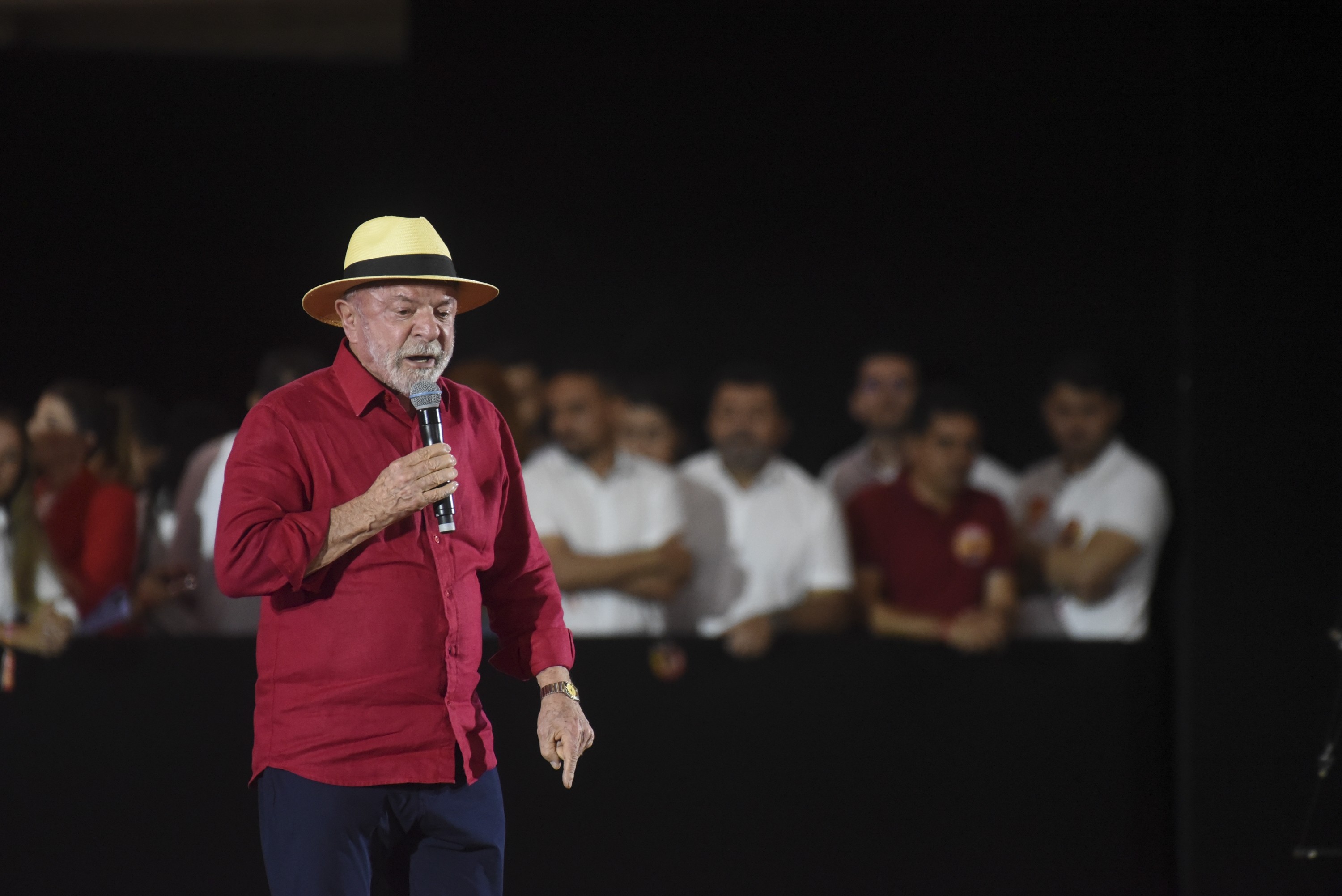
The Workers' Party (PT) has officially nominated President Luiz Inácio Lula da Silva, known as Lula, for re-election at its national convention held on Sunday, August 2nd, in São Paulo. Lula, aged 80, is seeking his fourth presidential term, having previously served from 2002 to 2010 and again since 2022. His past presidential bids include 1989, 1994, and 1998, where he was defeated by Fernando Collor and Fernando Henrique Cardoso. If re-elected, Lula would serve for 16 years, falling just short of Getúlio Vargas's 18-year tenure. The ticket will again feature Geraldo Alckmin, from the Brazilian Socialist Party (PSB), as the vice-presidential candidate, mirroring their successful 2022 campaign. Alckmin also heads the Ministry of Development, Industry, Commerce, and Services, acting as a liaison between the government and the business sector. The PT's coalition for the 2026 election includes the PSB, PCdoB, PV, PDT, PSOL, and Rede. The deadline for parties to hold conventions and register candidates is August 15th, with the official campaign beginning the following day. This nomination occurs amidst ongoing investigations into Lula's eldest son, Fábio Luís Lula da Silva, concerning alleged influence peddling and corruption. His lawyer denies any wrongdoing, stating the investigations are politically motivated. President Lula has stated his son will face any accusations like any other citizen, without special privilege, emphasizing his own past experiences with public accusations.
The official nomination of President Lula for re-election solidifies the incumbent's position within the Brazilian political landscape, highlighting the established alliances and coalition-building efforts of the Workers' Party and its partners. The strategic pairing with Geraldo Alckmin underscores a pragmatic approach to governance, aiming to bridge ideological divides and appeal to a broader electorate. However, the timing of this nomination, concurrent with investigations into Lula's son, introduces a complex dynamic. This situation presents a challenge for the campaign, potentially creating a narrative tension between the president's public image and familial legal entanglements. Future electoral outcomes may hinge on how effectively the campaign navigates these dual pressures and how public perception evolves regarding both the administration's policy achievements and the ongoing legal proceedings. The interplay between political strategy, judicial processes, and public opinion will be critical in shaping the electoral narrative over the coming months.
AI-generated to prompt reflection — not editorial opinion, not advice, not a statement of fact. How this works.