Brazil's PT Party Allocates $127 Million from Electoral Fund to Lula's Re-election Campaign
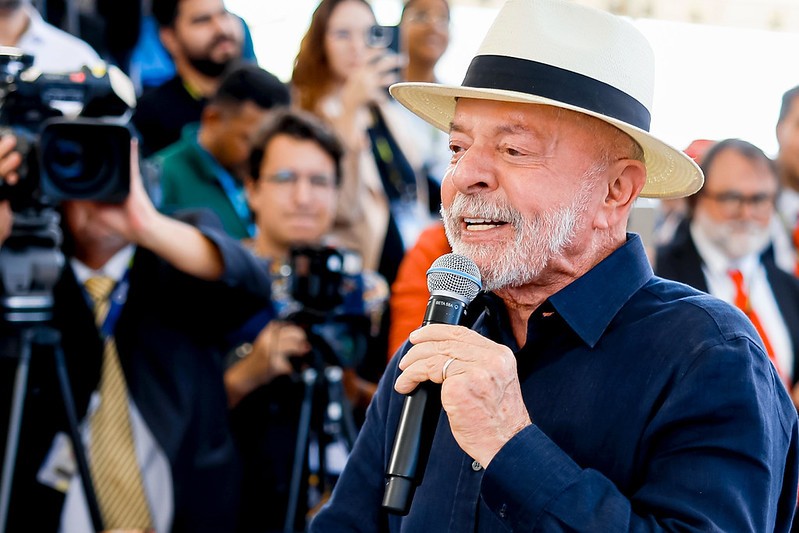
The Workers' Party (PT) in Brazil has decided to allocate R$ 127 million from its share of the Electoral Fund towards President Lula's re-election campaign for 2026. This significant sum represents 20.64% of the party's total allocation from the fund. The Superior Electoral Court (TSE) reported that the PT received approximately R$ 615.3 million in total from the Electoral Fund, which constitutes 12.4% of the overall funds distributed to all political parties. This decision was finalized during a National Directorate meeting held in Brasília on Friday, June 3rd. The party also outlined the distribution of funds for other electoral positions, including R$ 71.9 million for the Chamber of Deputies, R$ 264.9 million for state governorships, R$ 62 million for the Federal Senate, R$ 50 million for Legislative Assemblies, and R$ 39 million designated for a reserve fund. The resolution explicitly guarantees the allocated resources for the presidential candidacy, while stating that percentages for other positions may be adjusted to meet minimum quotas for female, Black, and Indigenous candidates. The PT secured the second-largest portion of the 2026 Electoral Fund, marking a 23% increase from the R$ 499.6 million received in 2022. The Liberal Party (PL) received the largest share, R$ 881.6 million, which was triple their 2022 allocation. The distribution methodology, established by electoral law, considers equal distribution among all registered parties, votes for the Chamber of Deputies, the number of elected federal deputies, and representation in the Federal Senate.
The PT's strategic allocation of a substantial portion of the Electoral Fund to President Lula's re-election campaign underscores the party's prioritization of the executive branch in the upcoming electoral cycle. This financial commitment reflects an assessment of the resources required to secure a presidential victory, potentially indicating confidence in Lula's electoral appeal or a perceived necessity to counter strong opposition. The distribution framework, governed by electoral law, highlights how legislative representation and past electoral performance significantly influence party funding, creating a dynamic where established parties with strong congressional presence receive disproportionately larger shares. As Brazil navigates its electoral landscape, the interplay between party strategy, regulatory frameworks, and the pursuit of executive power will continue to shape the political contest, with implications for policy continuity and the broader distribution of political influence over the next decade.
AI-generated to prompt reflection — not editorial opinion, not advice, not a statement of fact. How this works.