Brazil's Record Soybean Harvest Expected in 2026/27, but El Niño Poses a Risk
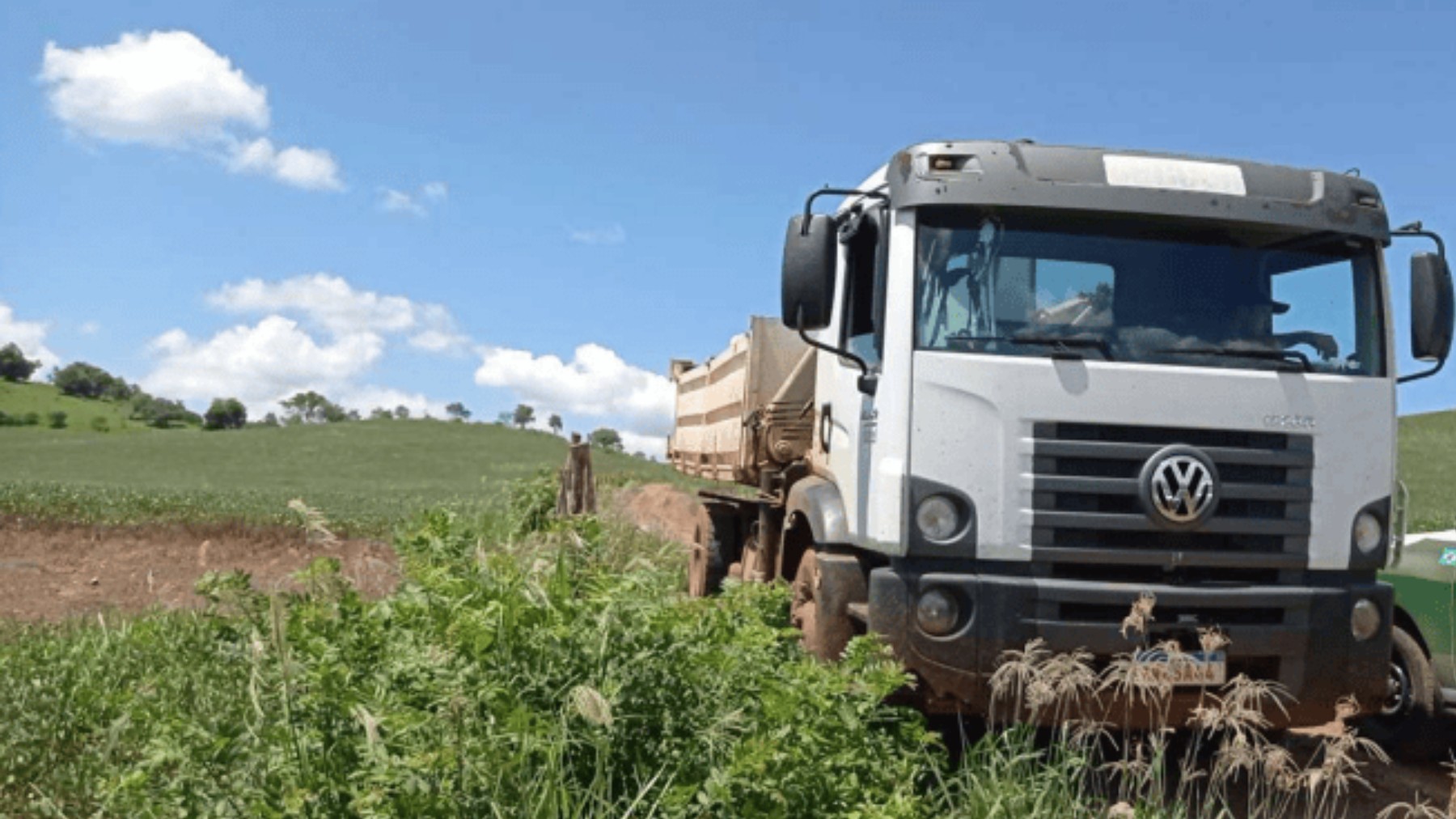
Brazil, the world's leading soybean producer and exporter, is projected to achieve a record harvest of 180.1 million tons in the 2026/27 season, according to Safras & Mercado. This represents a modest 0.98% increase from the previous cycle. Planting for the new crop is scheduled to begin in mid-September, with an anticipated 1.2% expansion in soybean acreage to 49.1 million hectares. Analyst Rafael Silveira of Safras & Mercado noted that the favorable market conditions for soybeans over corn in the Center-South region's summer crop are encouraging producers to increase cultivation. Despite tighter profit margins for farmers, recent strong harvests have improved the cost-revenue ratio, maintaining economic viability and supporting the slight expansion in planted area. However, the potential impact of a more intense El Niño phenomenon poses a significant concern. El Niño can disrupt rainfall and temperature patterns, negatively affecting grain development during critical growth stages. Silveira indicated that Safras & Mercado is already factoring in lower yield estimates for most producing regions compared to the previous season. Additionally, rising production costs, particularly for fertilizers in the first half of the year, may lead some producers to reduce investments in technology and crop management, potentially limiting the overall productive potential for the 2026/27 harvest. The average projected productivity is 3,686 kilograms per hectare, a slight decrease from the 3,692 kilograms per hectare achieved in the prior cycle.
The projection of a record soybean harvest in Brazil for 2026/27 highlights the nation's continued dominance in global agricultural markets. However, the forecast is tempered by the potential impact of El Niño and rising input costs, underscoring the inherent volatility in agricultural production. This situation presents a classic trade-off between scale and climate dependency. While expanding acreage and leveraging past profitability can drive volume, over-reliance on specific weather patterns and global commodity price fluctuations creates systemic risk. Future agricultural strategies may need to incorporate more robust climate resilience measures and diversified revenue streams to mitigate such vulnerabilities, particularly as climate change intensifies. The analysis suggests that while current economic incentives favor soybean expansion, long-term sustainability will depend on adapting to environmental uncertainties and managing input cost pressures.
AI-generated to prompt reflection — not editorial opinion, not advice, not a statement of fact. How this works.