Brazil's Rich Outpace Growth, Highlighting Need for Wealth Tax, Study Says
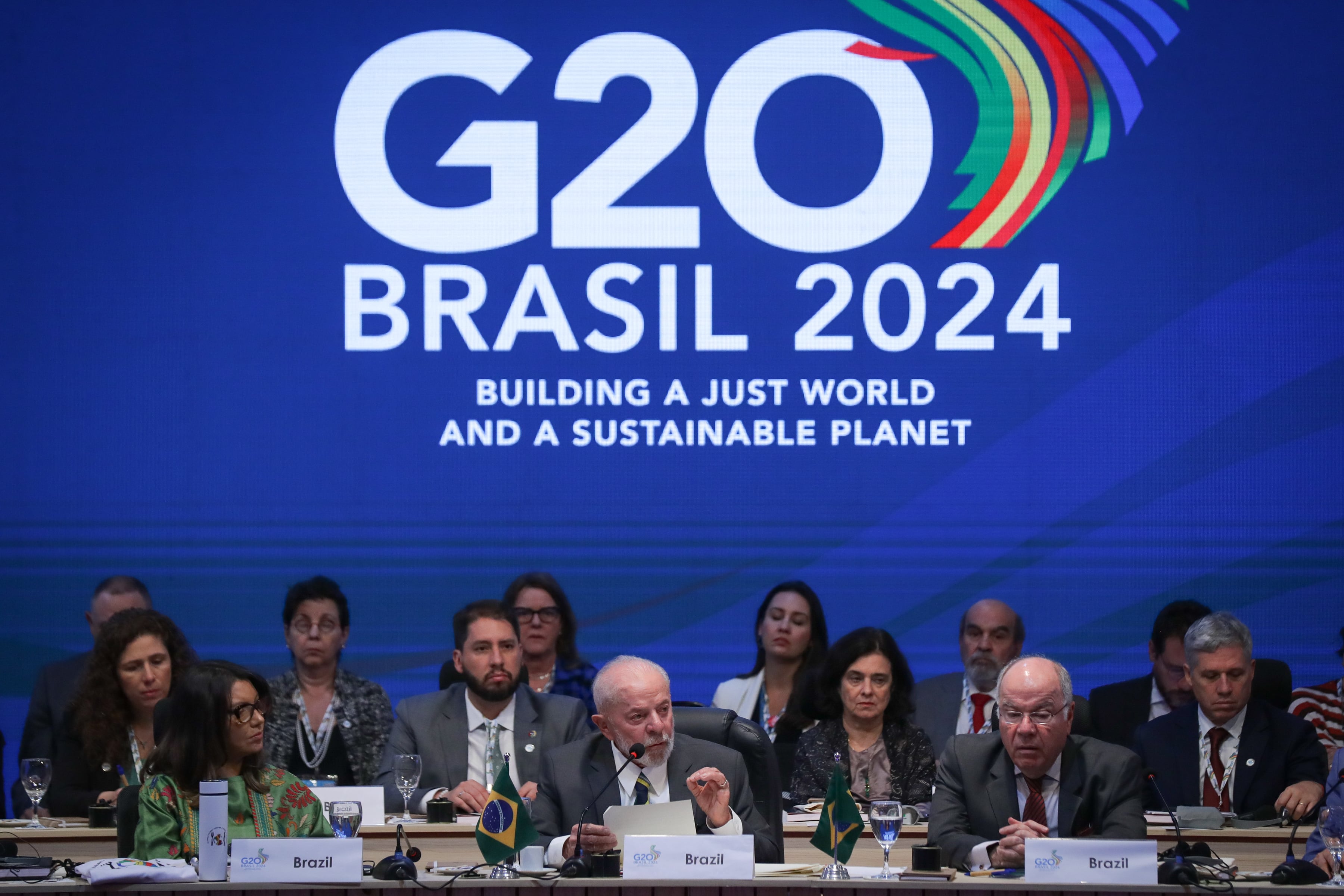
Recent studies indicate that Brazil's wealthiest individuals have experienced significant economic gains independently of broader growth policies. For years, President Lula da Silva's economic strategies were lauded for their dual success in fostering economic expansion while simultaneously reducing income inequality. However, new research suggests that this trend has reversed, with the rich accumulating wealth at a faster rate. This divergence raises questions about the effectiveness of current policies in ensuring that economic benefits are shared across all segments of society. The findings imply that while overall growth may occur, the concentration of wealth at the top could be exacerbating disparities. The studies point to a growing need to re-evaluate taxation strategies, particularly concerning the super-rich, to address this widening gap. Brazil's experience offers a case study on the challenges of maintaining inclusive growth in the face of increasing wealth concentration. The research underscores the potential benefits of implementing wealth taxes as a mechanism to redistribute resources and promote greater economic fairness. The findings suggest that without targeted interventions, economic progress may disproportionately favor the affluent, undermining efforts to create a more equitable society.
Brazil's economic trajectory, as described, presents a common challenge in inclusive capitalism: the decoupling of top-tier wealth accumulation from general economic progress. While policies aimed at broad growth and inequality reduction are crucial, the data suggests that wealth concentration may be driven by factors beyond standard fiscal and monetary tools. This divergence highlights the persistent incentive structures that allow capital to generate returns at rates exceeding overall economic expansion, particularly for those with substantial assets. Future policy considerations might involve exploring more direct wealth-transfer mechanisms, such as progressive wealth taxes, to ensure that economic gains are more broadly distributed and to mitigate systemic risks associated with extreme inequality. The long-term sustainability of economic models hinges on balancing growth with equitable distribution, a dynamic that appears increasingly complex in the current global economic environment.
AI-generated to prompt reflection — not editorial opinion, not advice, not a statement of fact. How this works.