Brazil's Right-Wing Politics: Flávio Bolsonaro's VP Search Faces Party Hurdles
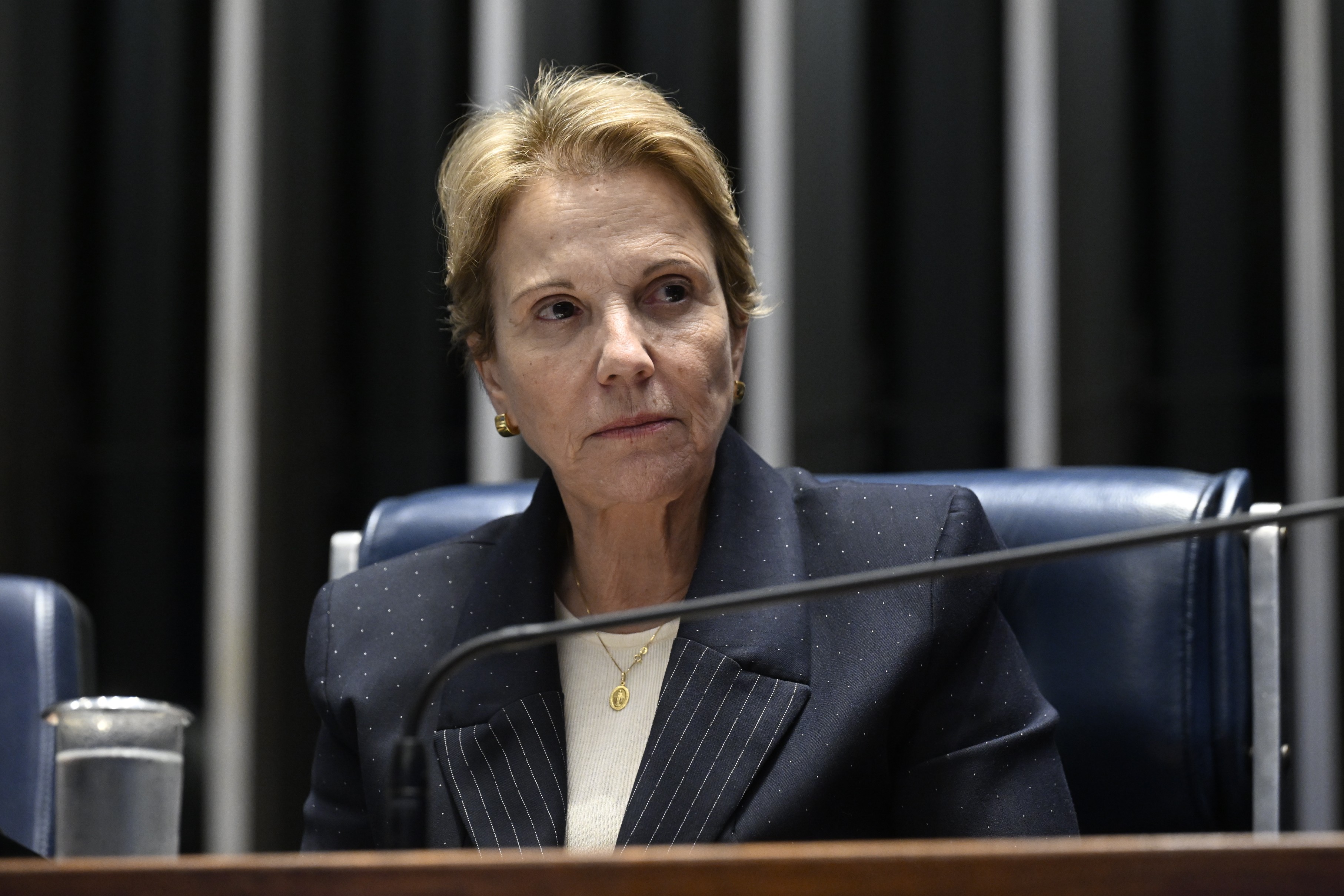
Senator Tereza Cristina (PP-MS) is being considered as a potential vice-presidential running mate for Flávio Bolsonaro (PL) in Brazil's upcoming presidential election. However, the move faces significant opposition from within her own party, the PP, and internal divisions within the broader right-wing political spectrum. Despite Flávio Bolsonaro's public enthusiasm, calling her his "dream acquisition," and pressure from agribusiness sectors, the PP, led by Ciro Nogueira, has formally stated its intention to remain neutral in the presidential race. This neutrality is influenced by the PP's federation with União Brasil, requiring mutual agreement for any alliance. A key obstacle is reconciling national party directives with the interests of state-level directories, with national leaders preferring to allow states to form alliances based on local contexts. Personal history also plays a role, as Ciro Nogueira reportedly holds a grievance against Flávio Bolsonaro due to investigations in the "Master case," where both are implicated. Tereza Cristina herself has expressed a preference for pursuing the presidency of the Senate in 2027, although she has met with Flávio Bolsonaro and Valdemar Costa Neto, the national president of the PL, to discuss the vice-presidential possibility. The deadline for parties to finalize conventions and decide on candidacies or alliances is August 5th, with candidate registrations due by August 15th.
The complex negotiations surrounding Flávio Bolsonaro's vice-presidential selection highlight the intricate interplay of personal ambitions, party interests, and legal entanglements within Brazil's political landscape. The resistance from the PP, particularly from Ciro Nogueira, suggests a strategic calculation based on past grievances and potential future political positioning, rather than a simple endorsement of Flávio Bolsonaro's candidacy. The PP's stated neutrality, while framed as a pragmatic approach to state-level alliances, may also serve to distance the party from potential controversies associated with the PL and its candidates, especially given the ongoing "Master case" investigations. The situation underscores a broader trend where electoral alliances are shaped not only by ideological alignment but also by risk management and the pursuit of independent political capital in a fragmented political system. The coming weeks will reveal whether these internal party dynamics and personal histories can be overcome in favor of a unified electoral front, or if they will lead to further fragmentation.
AI-generated to prompt reflection — not editorial opinion, not advice, not a statement of fact. How this works.