Brazil's Ronaldo Caiado Criticizes US Secretary Marco Rubio's Remarks on President Lula
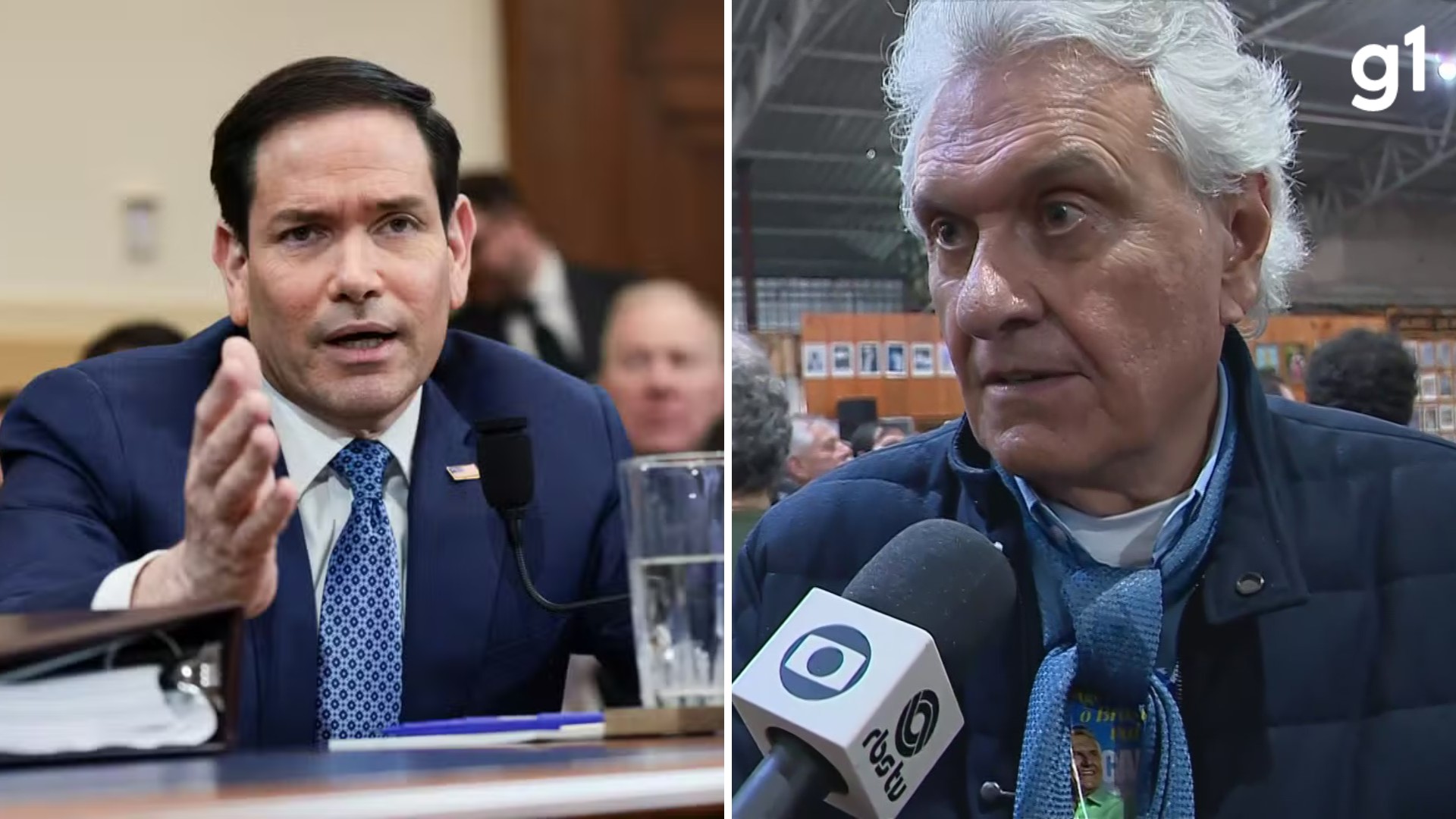
Ronaldo Caiado, a presidential pre-candidate for the PSD party in Brazil, has labeled a statement by U.S. Secretary of State Marco Rubio regarding President Luiz Inácio Lula da Silva as "unfortunate." Rubio's remarks followed the U.S. imposition of new tariffs on Brazilian products. Caiado, speaking on Thursday, May 16th, during an engagement in Rio Grande do Sul, expressed his disagreement with the U.S. representative's stance. He argued that political disagreements should not lead to negative consequences for the Brazilian population and economy. Rubio had publicly criticized President Lula on social media, attributing the tariffs to the Brazilian government's negotiation approach. He alleged that Lula and his administration did not negotiate in good faith and prioritized personal ego over a beneficial agreement for Brazilians. Caiado countered that Brazil, with its 215 million citizens, should not be penalized due to disputes between leaders of the two nations. He warned that such measures could result in job losses, business closures, and hardships for productive sectors, particularly agriculture. Caiado suggested that the U.S.-Brazil relationship does not warrant such significant trade sanctions, noting that the U.S. maintains a trade surplus with Brazil. He also implied that the tariffs serve Lula's political interests, suggesting the president is more focused on re-election than the country's well-being. Caiado believes Lula is seeking a nationalist narrative, similar to past instances where leaders leveraged tariffs against the U.S. for political gain.
The imposition of U.S. tariffs on Brazilian goods and subsequent political commentary highlight the complex interplay between trade policy, national sovereignty, and domestic political considerations. From a systemic perspective, trade disputes can escalate when economic negotiations are perceived through a lens of political advantage or perceived slights, rather than purely on mutual economic benefit. This event underscores the challenge of managing international relations when domestic political imperatives, such as election cycles and nationalist appeals, influence foreign policy decisions. The situation also raises questions about the efficacy of punitive trade measures in achieving desired diplomatic outcomes, potentially creating economic friction that disproportionately impacts citizens and industries, while serving the strategic interests of political actors.
AI-generated to prompt reflection — not editorial opinion, not advice, not a statement of fact. How this works.