Brazil's Salesópolis Establishes New Refuge for Critically Endangered Bicudinho-do-Brejo-Paulista Bird
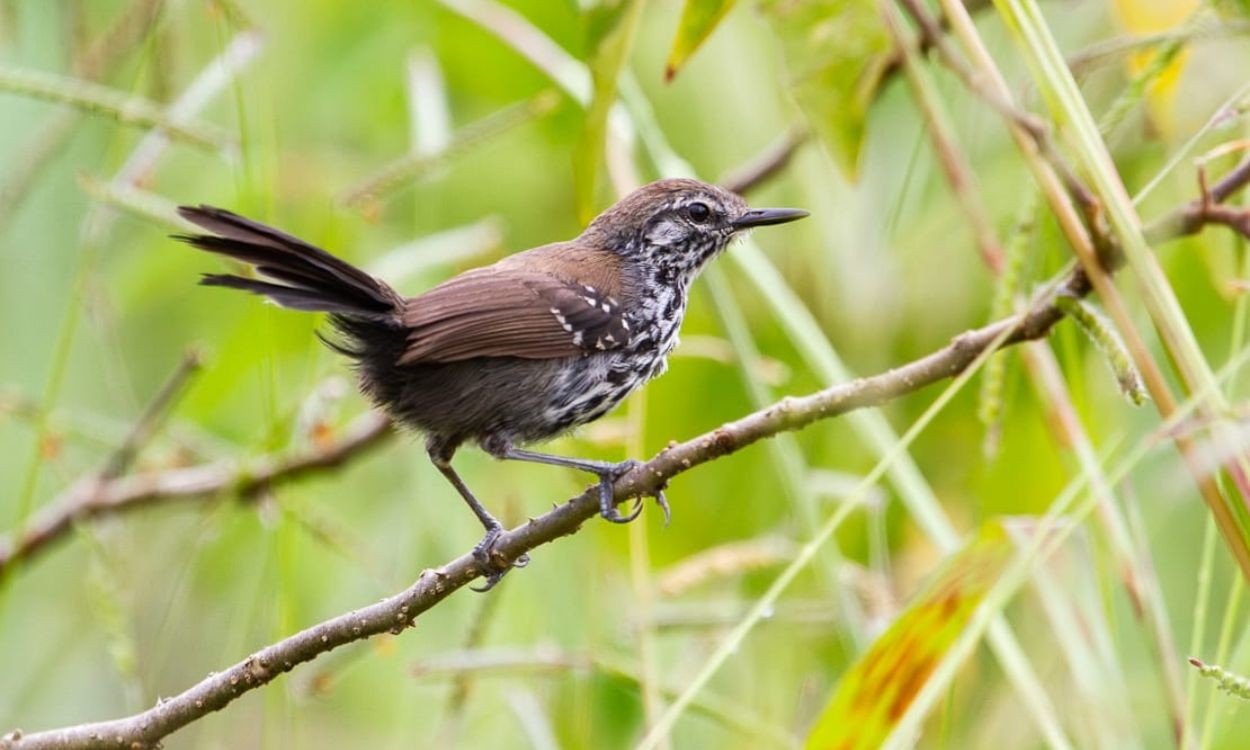
The municipality of Salesópolis, in São Paulo state, Brazil, has officially created a new wildlife refuge to protect the Bicudinho-do-Brejo-Paulista (Formicivora paludicola), a critically endangered bird species. This new conservation unit, spanning 5.7 thousand hectares, is located in the headwaters of the Alto Tietê river basin and safeguards one of the last remaining habitats for the bird. The decree, signed in April 2026, aims to protect the marshy areas essential for the species' survival and also contributes to the conservation of vital water sources for the region.
SAVE Brasil, an organization focused on bird conservation, estimates that between 14 and 27 individuals of the Bicudinho-do-Brejo-Paulista inhabit Salesópolis, making it one of the few known populations. Alice Reisfeld, executive director of SAVE Brasil, hailed the creation of the refuge as a significant step towards ensuring the species' survival, stating it protects one of the last safe havens where the bird can thrive. The primary threat to the Bicudinho-do-Brejo-Paulista is habitat loss due to activities such as drainage, urban development, agricultural expansion, pasture formation, and the introduction of invasive species like the water hyacinth.
While the new refuge is a crucial development, SAVE Brasil emphasizes that complementary actions are necessary for the species' recovery. These include ongoing population monitoring, identifying potential new habitats, implementing a management plan for the conservation unit, and strengthening community engagement. The Salesópolis City Hall will manage the refuge, with expectations for it to support scientific research, environmental education, fauna monitoring, and nature tourism. Public works deemed of social interest will still be permitted under environmental licensing, and specific usage rules will be detailed in the future management plan. Public participation is also encouraged through preserving marshlands and springs, supporting environmental education, valuing birdwatching tourism, reporting illegal deforestation, and engaging with conservation initiatives.
The establishment of the Bicudinho-do-Brejo-Paulista refuge in Salesópolis represents a proactive governmental response to a critical biodiversity loss event, driven by scientific data highlighting the species' endangered status and habitat vulnerability. This initiative underscores the growing recognition of ecological preservation as a public good, particularly in regions facing developmental pressures. The long-term success hinges on effective management plan implementation and sustained community involvement, balancing conservation goals with local economic activities. As urbanization and agricultural expansion continue to encroach on natural habitats across Brazil and globally, such conservation units serve as vital bulwarks, but their efficacy will be tested by the increasing demands on land and resources in the coming decade. The integration of scientific monitoring, environmental education, and sustainable tourism within the refuge framework offers a model for adaptive governance, aiming to foster coexistence between human development and ecological integrity.
AI-generated to prompt reflection — not editorial opinion, not advice, not a statement of fact. How this works.