Brazil's Sanitation Investment Up 51%, But Still Falls Short of Legal Targets
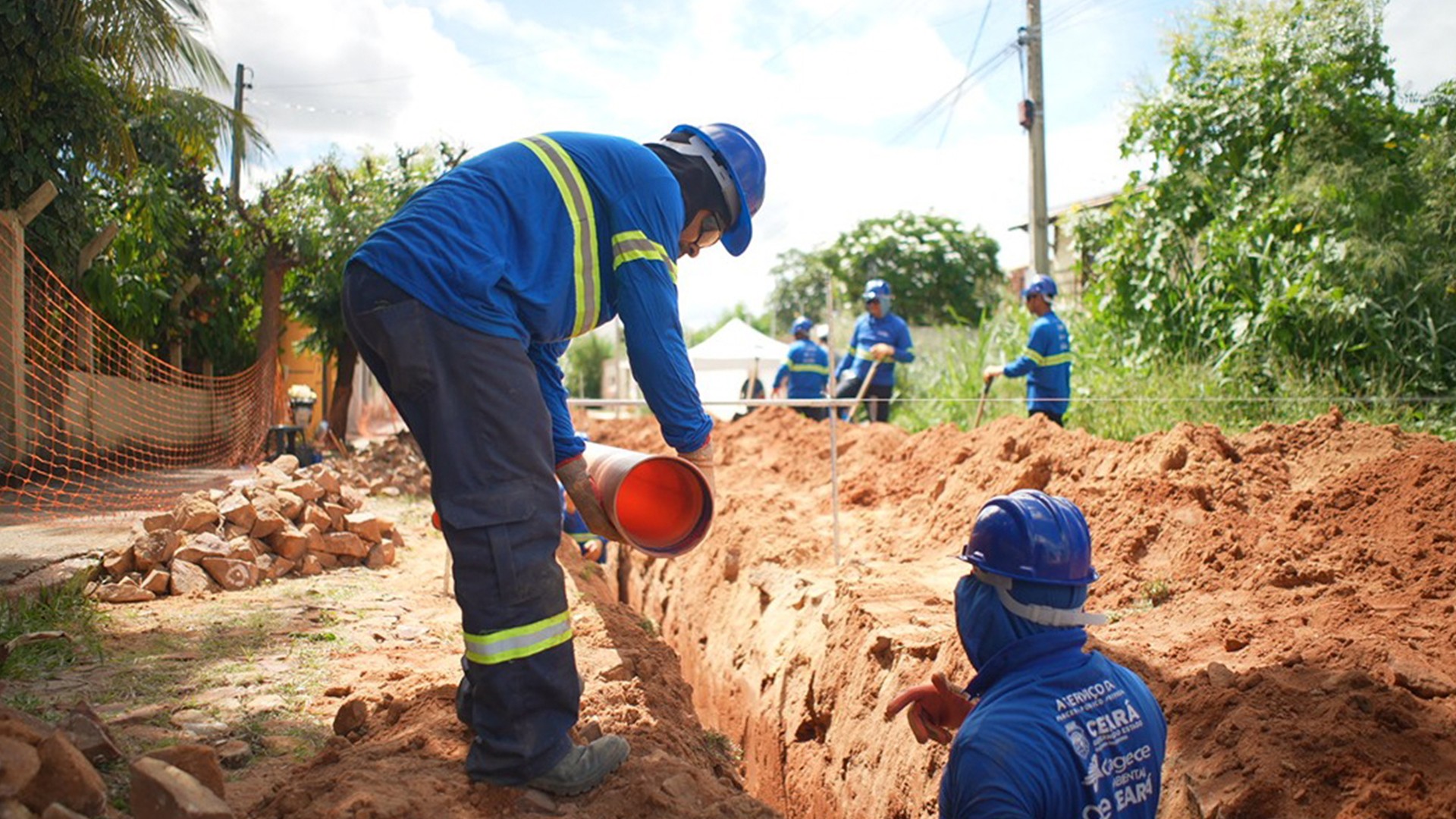
Six years after the approval of the Legal Framework for Basic Sanitation, Brazil has increased investments and structured more concessions, privatizations, and regionalization projects. However, the current pace is insufficient to achieve the goal of universalizing services by 2033, as mandated by law. An analysis by Instituto Trata Brasil and GO Associados reveals that average annual per capita investment grew by 51%, from R$ 90.54 in 2020 to R$ 137.02 in 2024. This figure remains significantly below the estimated R$ 225 per capita per year needed to meet universalization targets, according to the National Basic Sanitation Plan (Plansab).
The law requires 99% of Brazilians to have access to potable water and 90% to sewage collection and treatment by 2033. Currently, 15.9% of the population lacks access to safe drinking water, and 43.3% lack sewage collection. Between 2020 and 2024, total sanitation investments reached R$ 112.6 billion, with an additional R$ 431 billion needed to achieve universalization. The sector must sustain investments of approximately R$ 48 billion annually until 2033, a level not yet reached.
While the Legal Framework has spurred structured projects, benefiting over 100 million people through signed contracts, significant hurdles remain in governance and regulation. Only 29 out of 963 municipalities with registered regulatory agencies fully comply with national standards, potentially hindering contract oversight and long-term investment security. Furthermore, investments remain geographically concentrated, with the Southeast receiving over half the funds, while the North, which has some of the worst service indicators, received only R$ 5.3 billion. To meet the 2033 goals, priorities include sustained investment growth, strengthening regulatory agencies, increasing adherence to national norms, advancing regionalization, and executing existing projects.
Brazil's sanitation sector faces a critical juncture, demonstrating progress in investment and project structuring post-2020 Legal Framework, yet lagging behind ambitious universalization targets. The disparity between current investment levels (R$ 137.02 per capita) and the estimated requirement (R$ 225 per capita) highlights a substantial funding gap, necessitating sustained annual investments of R$ 48 billion. Beyond financial needs, systemic challenges in regulatory capacity and adherence to national standards across municipalities present a governance bottleneck, potentially undermining investor confidence and effective service delivery. The persistent regional inequality in investment, with the North region receiving disproportionately less despite critical needs, suggests that market dynamics alone may not address the most pressing public health and development disparities. Future success hinges on accelerating project execution, robust regulatory strengthening, and strategic resource allocation to ensure equitable access to basic sanitation across all Brazilian municipalities by the 2033 deadline.
AI-generated to prompt reflection — not editorial opinion, not advice, not a statement of fact. How this works.