Brazil's Senior Entrepreneurs Thrive, Turning Experience into Successful Businesses
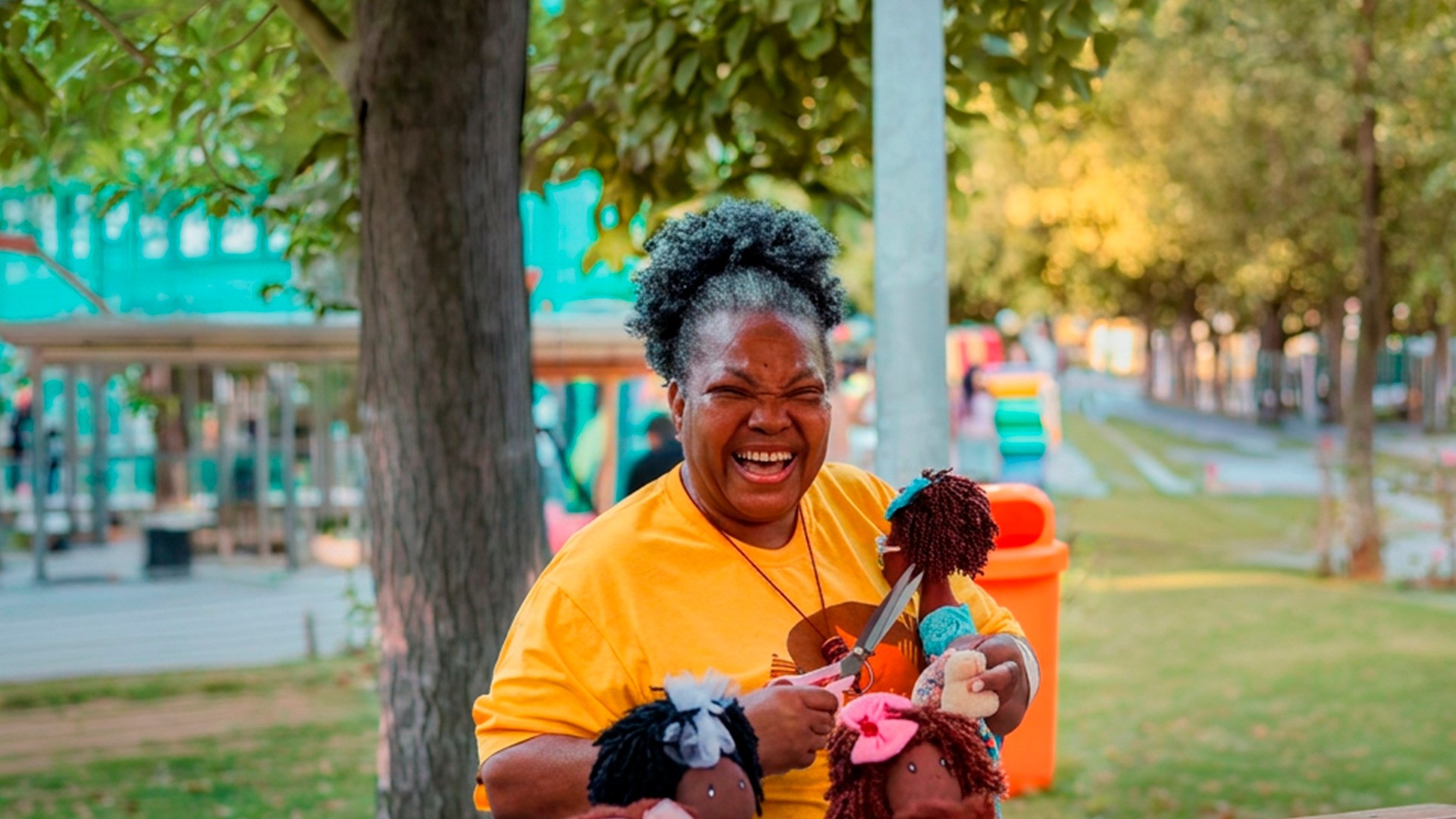
Brazil is witnessing a significant rise in entrepreneurship among individuals aged 60 and over, with 4.3 million Brazilians in this demographic now leading their own businesses. This trend is fueled by increasing longevity and improved health, positioning senior entrepreneurship as a key component of the national "silver economy." Data from the Global Entrepreneurship Monitor (GEM) for 2025 indicates that 63% of seniors aged 65 to 74 start businesses out of opportunity rather than necessity. Elazimar Menezes de Souza, a 70-year-old former librarian from Niterói, exemplifies this movement. During the pandemic, she turned her lifelong passion for handicrafts into a successful business creating cloth dolls named Abayomi Menezes, meaning "precious encounter" in Yoruba. Her daughter and granddaughter are actively involved in the brand's design and digital presence. Despite facing cultural barriers like ageism, which wrongly associates innovation solely with youth, many senior entrepreneurs leverage their extensive professional experience, networks, and planning skills. They often focus on businesses with a strong purpose and community impact, seeking to leave a legacy. Elazimar's dolls, for instance, address a significant underrepresentation of Black dolls in the market, aiming to boost self-esteem among Black children and promote anti-racist education. Experts highlight that senior entrepreneurs often bring unique qualities such as humanized customer service, empathy, and active listening, preferring personal interaction over automation. While technology can be a challenge, many, like Elazimar, recognize the importance of intergenerational collaboration, partnering with younger family members to manage digital aspects and logistics. This collaborative spirit, combining the experience of seniors with the digital fluency of younger generations, is crucial for the success of these ventures.
The surge in senior entrepreneurship in Brazil reflects a global demographic shift and a re-evaluation of age-based productivity. This trend challenges traditional notions of retirement and highlights the economic potential of an aging population, particularly when driven by opportunity rather than necessity. The success stories, like Elazimar's, demonstrate how accumulated life experience, coupled with a clear purpose and adaptability, can create sustainable businesses. The analysis of ageism as a barrier, both external and internal, underscores the need for societal and individual mindset shifts to fully harness the capabilities of older adults. Furthermore, the emphasis on intergenerational collaboration suggests a model for future business development, where diverse age groups can complement each other's skills, fostering innovation and resilience in an evolving economic landscape. This movement not only contributes to economic growth but also addresses social needs, such as representation, by empowering seniors to create meaningful ventures.
AI-generated to prompt reflection — not editorial opinion, not advice, not a statement of fact. How this works.