Brazil's STF Justice Dino Seeks Party Leaders' Input on Parliamentary Amendment Allocations
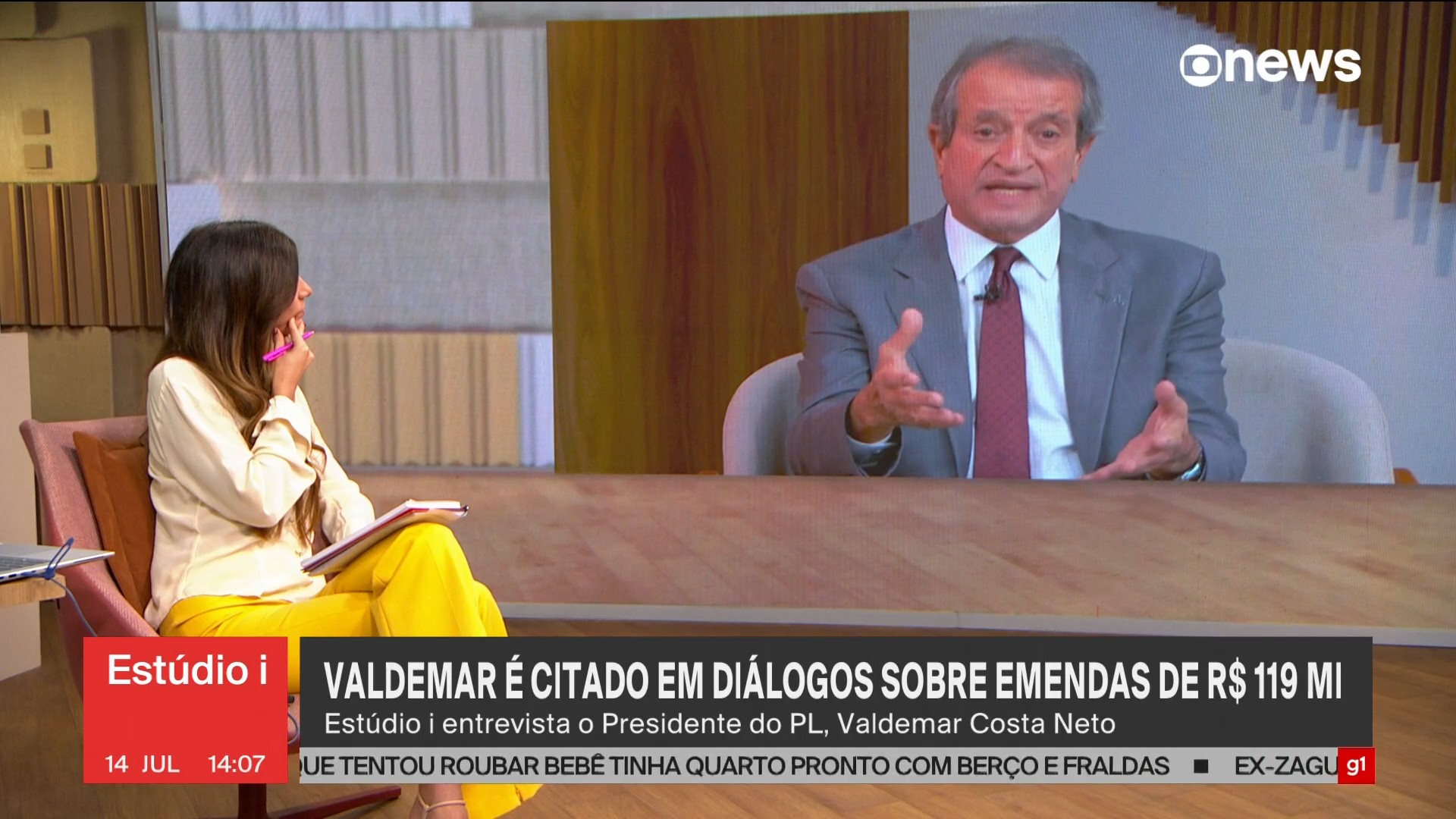
Supreme Federal Court (STF) Justice Flávio Dino has formally requested explanations from the presidents of all political parties represented in Brazil's Congress. This action stems from recent statements made by Valdemar Costa Neto, president of the Liberal Party (PL), in an interview with GloboNews. Costa Neto affirmed that party leaders, including himself, are involved in the indication and management of parliamentary amendments, suggesting this practice extends to other party leaders as well. Justice Dino's directive aims to clarify whether these practices align with the STF's existing mandates regarding transparency and traceability of amendment funds. The court order emphasizes that the allocation and deliberation of these legislative resources are primarily the prerogative of elected members of Congress during their terms. If Costa Neto's claims are substantiated, they represent a significant development in a case that has been ongoing since 2021, as no prior record indicated party presidents directly controlling or receiving 'ceded' amendments. Justice Dino highlighted the prominence of Valdemar Costa Neto and the PL, underscoring the need to address his public declarations. The party leaders have ten business days to provide detailed information on their amendment allocation mechanisms, their legal basis, authorization processes, and how funds are formalized and directed. This inquiry involves the leaders of 21 political parties, including Avante, Cidadania, MDB, and PT. The information gathered will help the STF determine if further measures are needed to enhance transparency and traceability in the allocation of parliamentary amendments, though the current order does not allege any wrongdoing or impose penalties.
This judicial inquiry into party leaders' involvement with parliamentary amendments highlights a potential tension between legislative prerogatives and executive oversight concerning public fund allocation. The STF's request for detailed information aims to illuminate the operational realities of amendment distribution, seeking to ensure transparency and accountability. By soliciting explanations rather than immediately imposing sanctions, the court is employing a procedural approach to gather facts and assess compliance with established legal frameworks. This process could reveal systemic practices that may require clarification or reform to align with principles of good governance and prevent potential conflicts of interest or undue influence in the allocation of public resources. The outcome may inform future regulations or judicial interpretations regarding the boundaries of party influence in legislative budgeting.
AI-generated to prompt reflection — not editorial opinion, not advice, not a statement of fact. How this works.