Brazil's STF Minister Approves International Probe into Master Bank Fraud Assets
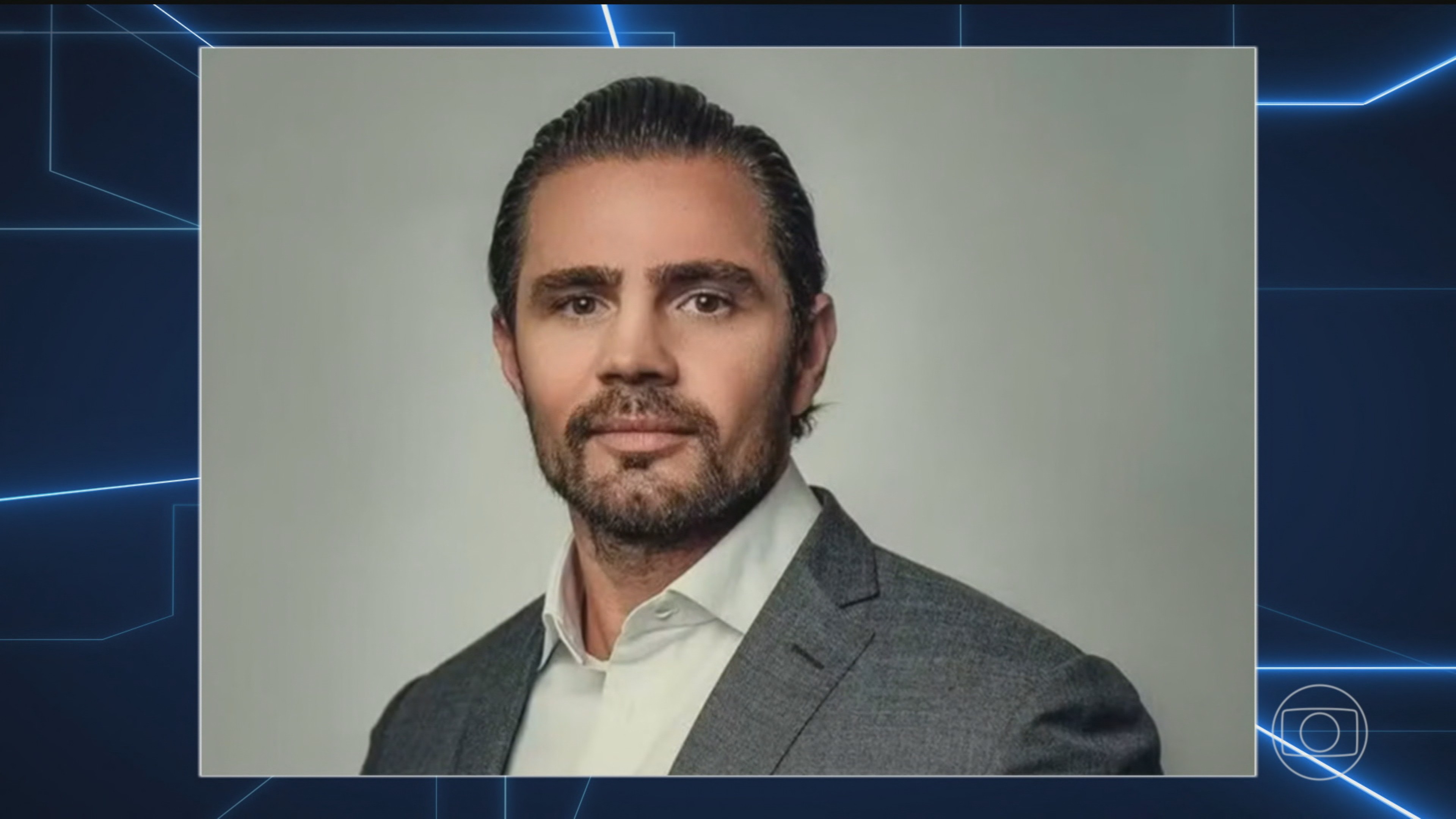
Minister Andre Mendonça of Brazil's Supreme Court of Justice (STF) has authorized a request from the Federal Police (PF) for international cooperation to trace assets linked to alleged fraud at Banco Master, owned by Daniel Vorcaro. The objective is to map assets and financial activities associated with suspicious transactions aimed at diverting funds from the Master conglomerate. Investigators are particularly seeking to locate a yacht valued at R$ 500 million, reportedly acquired by Vorcaro before his initial arrest in November of the previous year. Minister Mendonça granted this authorization under the Mutual Legal Assistance Treaty (MLAT), which facilitates collaboration in criminal investigations and proceedings. The STF's decision allows for international cooperation, with the Ministry of Justice's Department of Asset Recovery and International Legal Cooperation now handling the subsequent arrangements. This case stems from "Operation Compliance Zero," launched by the PF in November 2025, which investigated an alleged scheme involving the irregular issuance of Bank Deposit Certificates (CDBs) by Banco Master. Investigators suspect the bank offered interest rates up to 40% above market averages, raising concerns that these instruments lacked real asset backing. Consequently, Banco Master has been liquidated by the Central Bank, Vorcaro was arrested, and other business figures and politicians connected to him are also under investigation for their alleged roles in the scheme.
This development signifies a critical step in the cross-border pursuit of financial crime, leveraging international legal frameworks to address sophisticated fraud schemes that transcend national borders. The authorization highlights the increasing interconnectedness of global finance and the corresponding need for robust international cooperation mechanisms to ensure accountability. As financial markets continue to evolve, regulatory bodies and law enforcement agencies must adapt by strengthening their capacity for asset tracing and recovery across jurisdictions. This case underscores the systemic risks associated with high-yield financial products and the importance of rigorous due diligence and oversight to protect investors and maintain market integrity. The future will likely see a greater reliance on advanced data analytics and AI in detecting and investigating such complex financial illicit activities.
AI-generated to prompt reflection — not editorial opinion, not advice, not a statement of fact. How this works.