Brazil's STF Temporarily Halts Fines for Workplace Mental Health Rule Violations
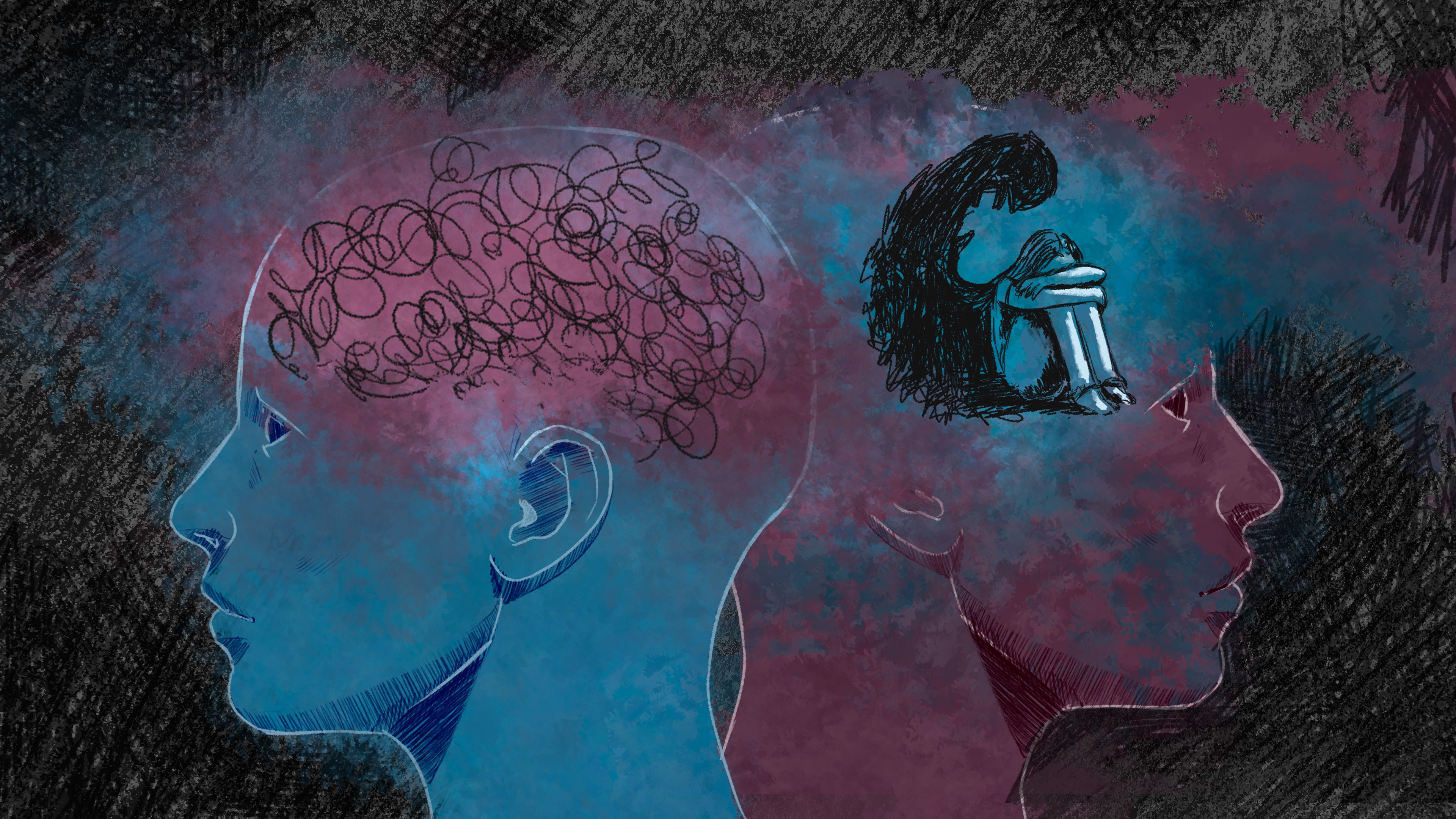
The Supreme Federal Court (STF) in Brazil has suspended for 90 days the application of fines and sanctions related to psychosocial risks in the workplace, as outlined in Regulatory Norm No. 1 (NR-1). This decision, made by Minister André Mendonça, aims to allow for conciliation attempts between government representatives, employers, and other stakeholders regarding the norm's implementation. The NR-1 update, effective since May of this year, expanded companies' responsibilities in preventing issues like moral harassment, occupational stress, excessive working hours, and workload overload that can impact employee mental health. Despite the suspension of penalties, workers' rights remain unchanged. The STF's ruling only pauses administrative penalties, not the fundamental obligation of companies to identify, assess, and prevent psychosocial risk factors. This means employers are still required to address issues such as excessive workload, constant pressure, harassment, and organizational flaws. The suspension does not alter rights guaranteed by the Federal Constitution, the Consolidation of Labor Laws (CLT), or other worker protection regulations. Employees retain the right to a safe and healthy work environment and can report situations jeopardizing their mental well-being. Legal experts emphasize that this period should be used to refine the norm's application, not to halt preventative measures. The Ministry of Labor and Employment's online complaint channel, the Fala.br platform, the Central Alô Trabalho (158), Regional Labor Superintendencies, the Public Prosecutor's Office for Labor (MPT), and Disque 100 are available for workers to report irregularities.
The STF's temporary suspension of fines under NR-1, while ostensibly for conciliation, highlights a persistent tension between regulatory enforcement and industry compliance, particularly concerning emerging workplace mental health standards. This pause, though brief, could inadvertently signal a de-prioritization of mental well-being protections, potentially emboldening entities to delay proactive measures. The underlying obligation for companies to identify and prevent psychosocial risks persists, yet the absence of immediate administrative repercussions may weaken the incentive structure for robust implementation. Looking ahead, the effectiveness of such norms hinges on clear, consistent enforcement mechanisms that balance regulatory goals with the practicalities of business operations, ensuring that worker protections are not undermined by procedural delays or industry lobbying efforts. The long-term challenge lies in embedding these protections into corporate culture beyond mere compliance, fostering environments where mental health is intrinsically valued.
AI-generated to prompt reflection — not editorial opinion, not advice, not a statement of fact. How this works.