Brazil's STJ Lifts 6-Month Suspension on Curitiba Public Transport Tender
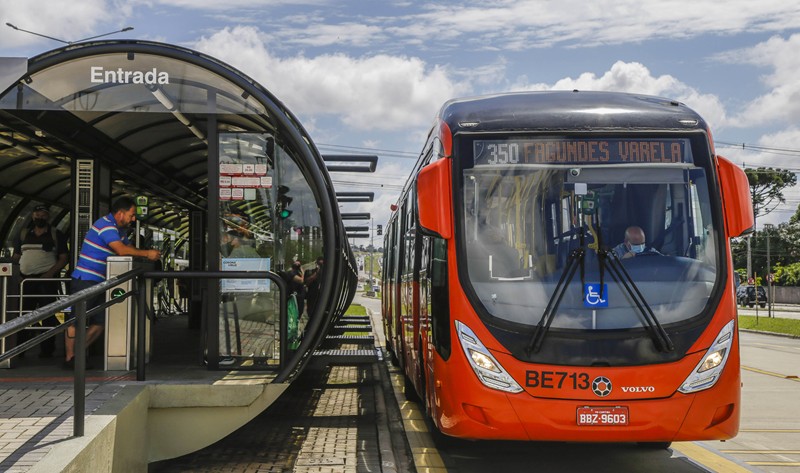
The Superior Court of Justice (STJ) in Brazil has overturned a six-month suspension on the public transport tender for Curitiba, following an appeal by the city's prefecture. While the STJ's decision lifts the automatic halt, the tender is not yet cleared to proceed. The Paraná Court of Justice (TJ-PR) will now determine a new, likely shorter, deadline for completing technical studies. These studies are crucial to ascertain whether existing contracts with current operators can be renewed or if a new bidding process is necessary. Previously, an injunction had mandated 180 days for the prefecture to resume technical studies and finalize administrative steps for contract termination with incumbent companies.
The prefecture stated its commitment to modernizing the public transport system. The Union of Bus Companies (Setransp) welcomed the STJ's decision, emphasizing that the future of transport should be guided by these studies. STJ rapporteur Minister Luis Felipe Salomão noted that while the studies are important, current contracts only guarantee service until December 31, 2026. He reasoned that a 180-day suspension of the tender posed a risk to public transport continuity, leaving insufficient time for the bidding process and transition to a new operator.
The tender was initially suspended on June 25, shortly after the public notice was issued, following a request from the companies holding the service contract since 2010. This contract, originally for 15 years, had been extended by 24 months. As the concession agreements neared their end, the Curitiba prefecture initiated discussions with concessionaires to assess potential contract imbalances and determine the best path forward—renewal or a new tender. Despite a working group and a contracted foundation undertaking studies, the companies alleged that the prefecture and Urbanization of Curitiba (Urbs) unilaterally halted these efforts to launch the new tender. The court's initial injunction recognized that the prefecture was not obligated to extend or renegotiate existing contracts but deemed it inappropriate to halt ongoing studies.
The STJ's intervention in the Curitiba public transport tender highlights the complex interplay between municipal modernization goals, existing contractual obligations, and the legal framework governing public concessions. By lifting the extended suspension, the court prioritizes the continuity of essential public services and the timely completion of the bidding process, acknowledging the logistical constraints imposed by the 2026 contract expiry. This decision underscores the importance of robust technical and financial studies in determining the most advantageous path for public resources and service quality, whether through renewal or competitive bidding. Future considerations for urban transport governance might involve more agile frameworks that balance the need for thorough evaluation with the imperative to avoid service disruptions and ensure long-term system sustainability in an era of evolving mobility demands.
AI-generated to prompt reflection — not editorial opinion, not advice, not a statement of fact. How this works.