Brazil's STJ Reconsiders Adriana Villela's Murder Conviction Annullment
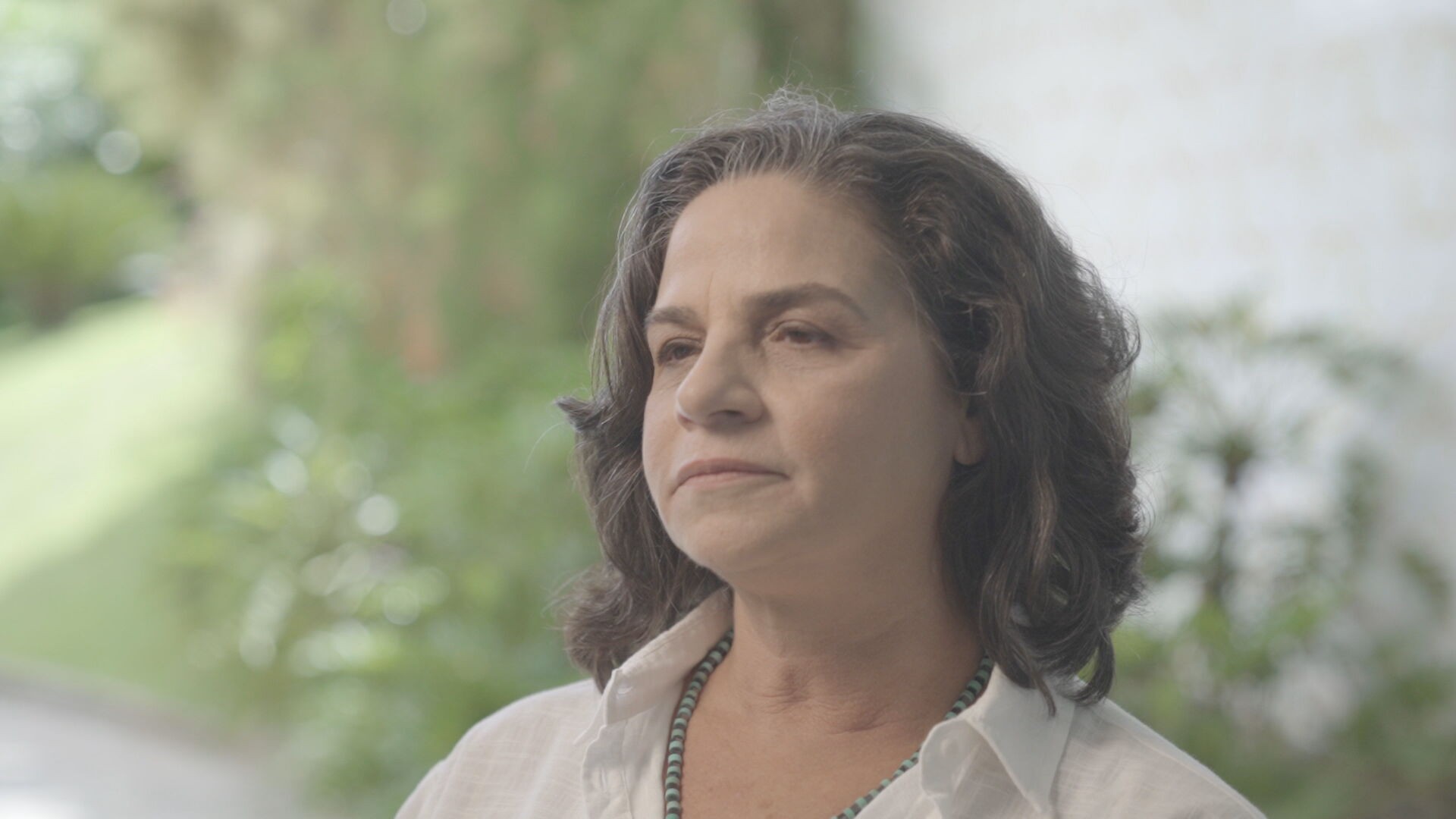
The Superior Court of Justice (STJ) in Brazil is set to re-examine the annulment of Adriana Villela's conviction in the case known as the "Crime da 113 Sul." This Tuesday, April 4th, the court will hear appeals filed by the Public Prosecutor's Office of the Federal District. The case was initially heard in a virtual session in June but was moved to an in-person hearing after a judge requested further deliberation. The Public Prosecutor's Office argues that the previous ruling contained omissions, contradictions, and obscurities, and seeks to reinstate Villela's original 61-year prison sentence for orchestrating the murders of her parents and their housekeeper in 2009. The STJ had previously annulled the conviction in September 2025 by a 3-2 vote, citing that Villela's defense did not receive crucial video evidence of witness testimonies in a timely manner, thereby compromising her right to a defense. These videos, featuring the testimonies of the crime's executors, were reportedly made available to Villela's lawyers only on the seventh day of the original trial in 2019, and were also featured in a Globoplay documentary released in 2025. The annulment meant Villela was again considered a defendant, with all evidence and testimonies collected since 2010 invalidated. The crime, which occurred on August 28, 2009, in Brasília's Asa Sul, involved the brutal stabbing deaths of José Guilherme Villela, 73, a former minister of the Superior Electoral Court; his wife, Maria Carvalho Mendes Villela, 69, an attorney; and their 58-year-old housekeeper, Francisca Nascimento da Silva. Their bodies were discovered on August 31, 2009. During the initial virtual session, the case's rapporteur voted to uphold the annulment, while another justice dissented, advocating for the conviction's reinstatement and immediate commencement of the sentence. The upcoming in-person session will restart the voting process.
The ongoing legal proceedings surrounding Adriana Villela's conviction highlight critical tensions between the pursuit of justice and the procedural safeguards essential to a fair trial. The STJ's re-evaluation centers on whether the defense's access to evidence was sufficiently timely to ensure due process, a fundamental principle in any legal system. The court's decision will weigh the gravity of the alleged crimes against the integrity of the judicial process. Future legal frameworks may need to address the implications of digital evidence dissemination, particularly when such materials gain public visibility through media before or during trials, to prevent potential procedural challenges and ensure consistent application of justice. This case underscores the complex interplay between evidence presentation, defense rights, and public perception in high-profile legal matters.
AI-generated to prompt reflection — not editorial opinion, not advice, not a statement of fact. How this works.
