Brazil's Superior Court of Justice Denies Minister Buzzi's Delay Request, Upholds Sexual Misconduct Trial
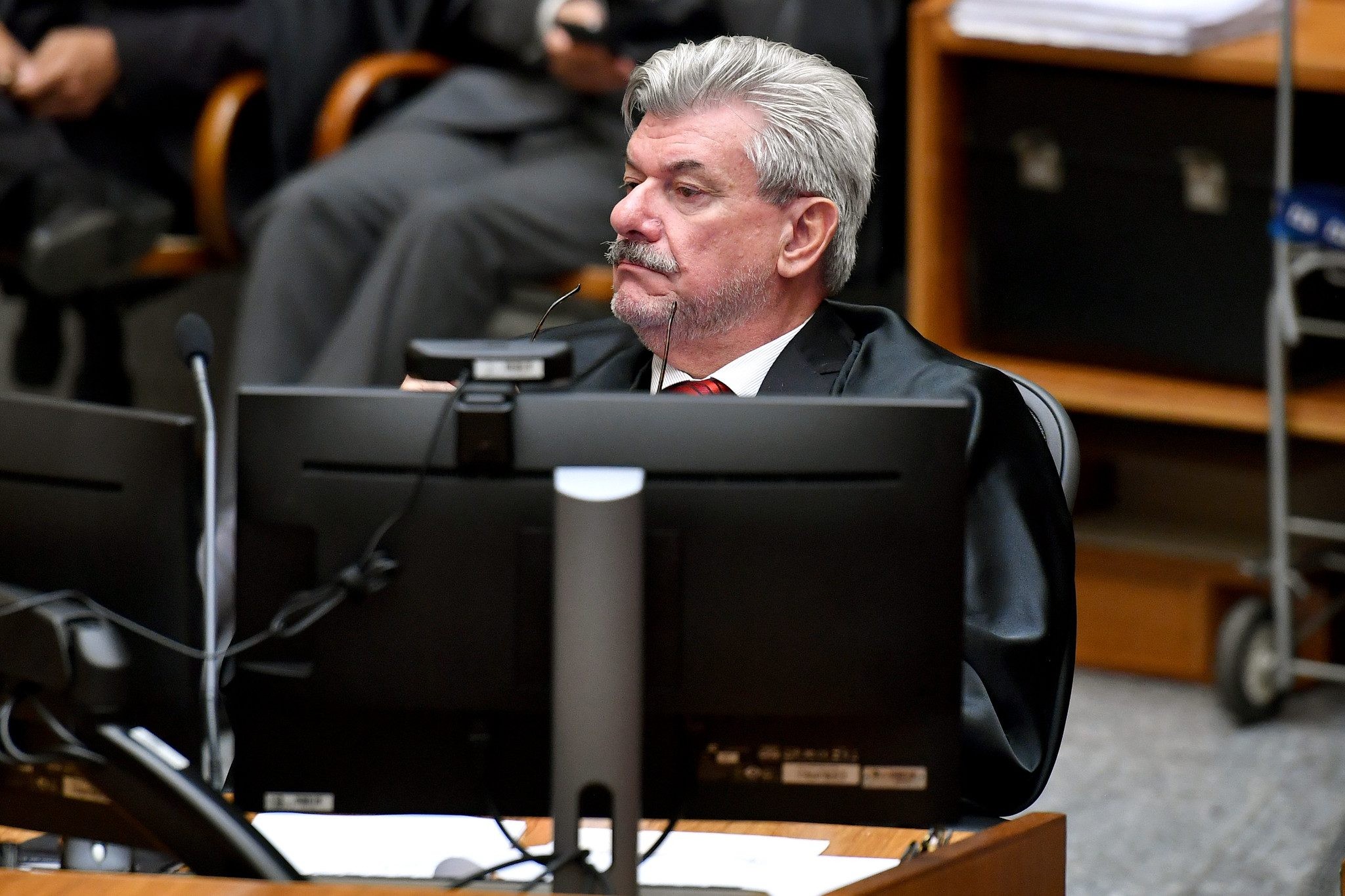
Brazil's Superior Court of Justice (STJ) has denied a request from the defense of Minister Marco Buzzi to postpone his disciplinary trial. The trial, scheduled for Thursday, June 6th, will proceed as planned. Minister Buzzi is facing charges of sexual harassment and molestation against two women, as well as defamation. He has been suspended from his duties since February 10th and is barred from entering STJ premises. The decision to deny the delay was made by the disciplinary committee, chaired by Minister Luis Felipe Salomão, and confirmed by STJ President Herman Benjamin. Buzzi's defense team argued they needed more time to prepare their case, but the committee found their reasons insufficient, suggesting videoconferencing and early submission of arguments as alternatives. Minister Buzzi is also under investigation by the National Council of Justice (CNJ) and faces a criminal inquiry at the Supreme Federal Court (STF). The Attorney General's Office (PGR) has recommended Buzzi's compulsory retirement with proportional pay, citing evidence of non-consensual physical contact with one victim and repeated inappropriate touching, sexually suggestive comments, and the display of explicit content to another victim in 2023. The PGR's statement detailed instances of unwanted physical contact in the sea and within the STJ, along with offensive workplace remarks.
The STJ's decision to proceed with Minister Buzzi's trial, despite his defense's request for a delay, highlights the judicial system's commitment to addressing allegations of misconduct. The PGR's strong recommendation for compulsory retirement, based on detailed accounts of alleged harassment, suggests a significant concern regarding the evidence presented. This case underscores the ongoing scrutiny of judicial officials' conduct and the potential consequences for those found in violation of ethical and legal standards. The proceedings will likely influence future disciplinary measures within Brazil's judiciary, emphasizing accountability and the protection of individuals in the workplace, particularly within sensitive institutional environments. The parallel investigations by the CNJ and STF indicate a multi-faceted approach to assessing the minister's alleged actions and their broader implications for judicial integrity.
AI-generated to prompt reflection — not editorial opinion, not advice, not a statement of fact. How this works.